Hybrid vs all-electric heat pump
6 min read
Hybrid or all-electric heat pump: how insulation drives the choice, what you save on gas, and how the heating test shows if your home is ready.
All comparisons
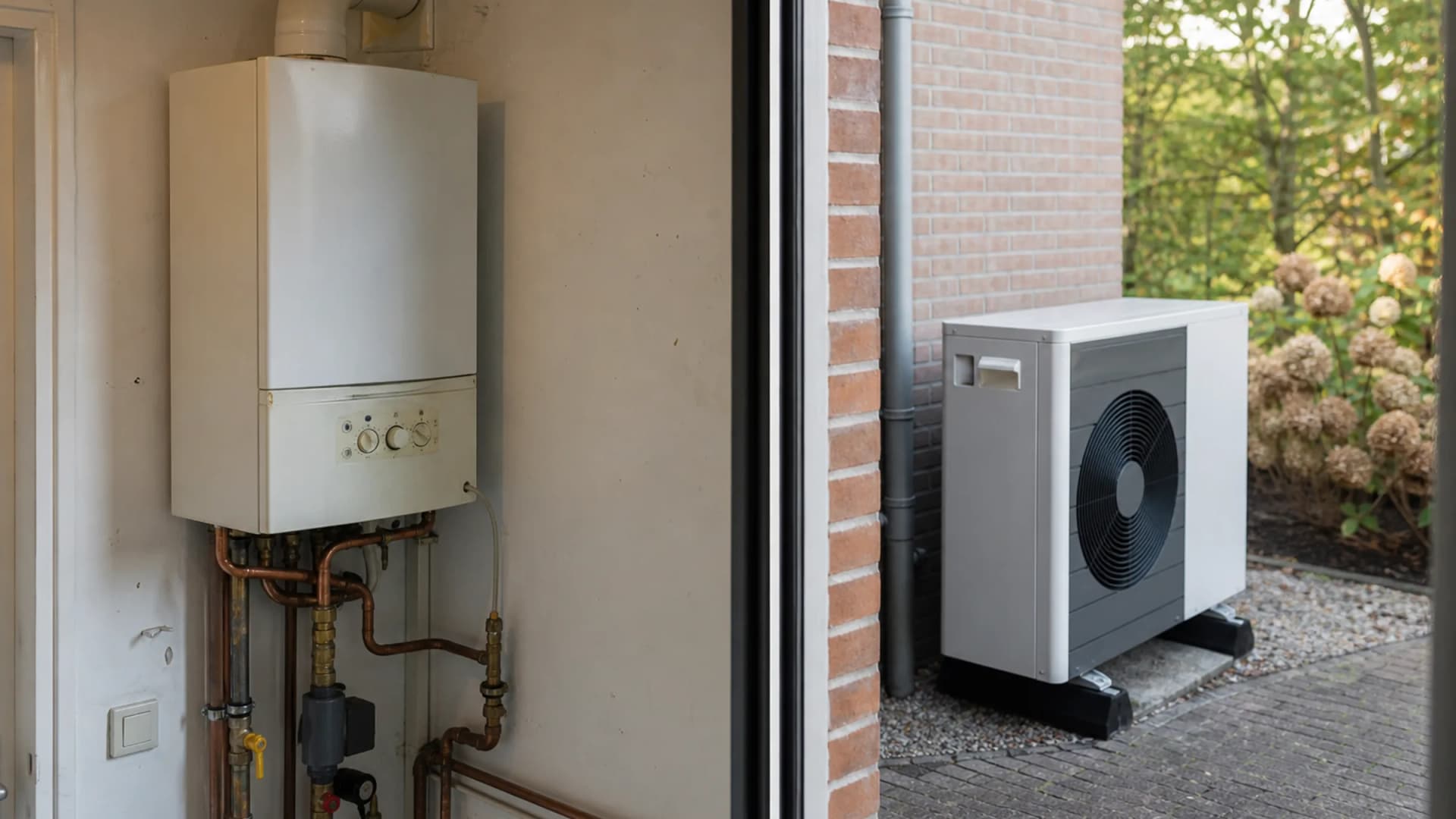
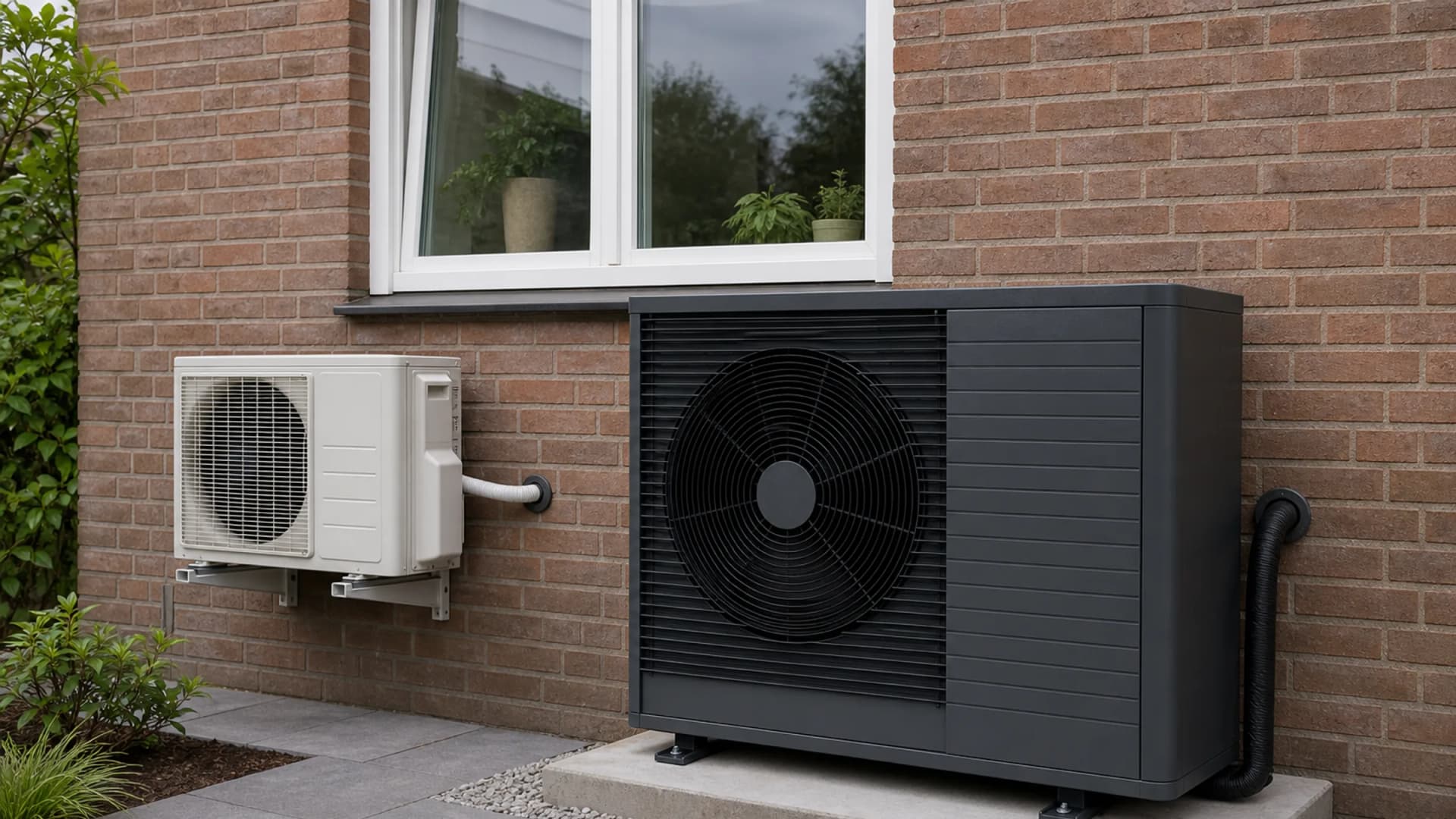
A hybrid heat pump works alongside your boiler and also fits modestly insulated homes. An all-electric heat pump replaces gas entirely but needs reasonable to good insulation and a suitable heat delivery system. Your home's insulation drives the choice.
Introduction
 Heat pump
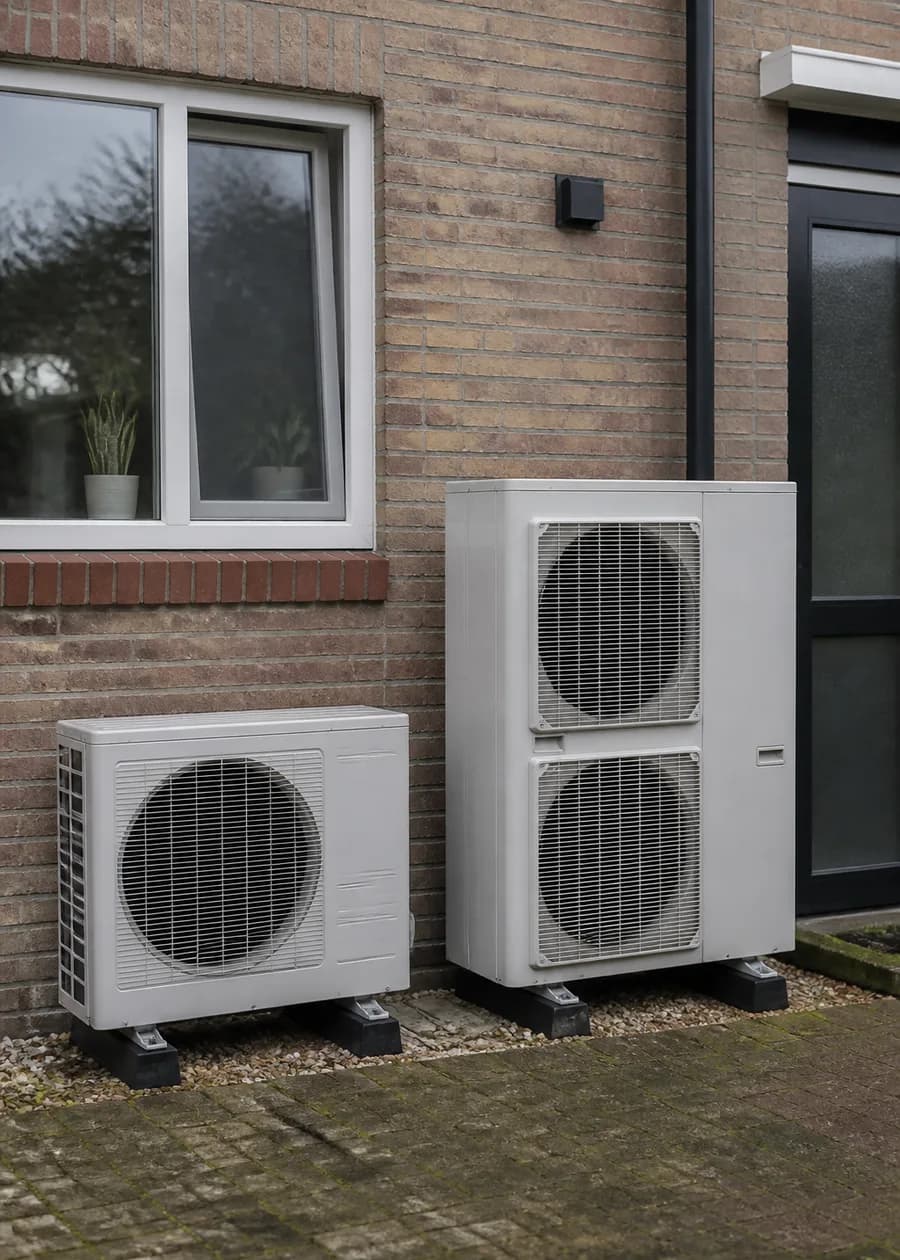
The question is rarely whether a heat pump suits you, but which one: a unit that works with your boiler, or one that replaces it entirely. Below we compare both routes on insulation requirements, gas savings, hot water and day-to-day practice. What insulation has to do with heat pumps is explained in our guide on insulation and heat pumps.
The options side by side
Hybrid heat pump
Pros
- Lower entry cost and easier to fit
- Works in modestly insulated homes too
- The boiler covers the coldest days
- Can join grid control schemes
Cons
- You keep running partly on gas
- Less long-term saving than going electric
- Two systems side by side
All-electric heat pump
Pros
- Off gas entirely
- Largest long-term saving
- Can often cool in summer too
Cons
- Needs reasonable to good insulation and low-temperature delivery
- Higher upfront investment
- Sometimes radiators need adjusting or a hot water tank added
Insulation drives the choice
The rule of thumb is simple. If your home is modestly insulated, a hybrid heat pump is the logical first step: the heat pump does most of the work, the boiler helps out on cold days. If your home is reasonably to well insulated, you can go all-electric right away. According to Milieu Centraal (Dutch) that applies, for example, to homes built in or after 1992 with HR++ glazing, or older homes that have since been insulated well.
A hybrid heat pump saves roughly 60 to 70 percent of the gas used for heating. That is not the end of the road: keep insulating step by step and you can still go off gas later. Which insulation steps pay off most is covered in our guide on insulation for heat pumps.
Gas, hot water and subsidy side by side
Beyond the insulation requirement, the two routes differ in what happens to your gas connection, your hot water and your investment. For both you can apply for the Dutch ISDE subsidy via RVO (Dutch). How to fill it in is in heat pump subsidy; whether it fits you is in the ISDE check. We put the differences side by side; we deliberately leave out prices, your quote carries current figures.
| Hybrid | All-electric | |
|---|---|---|
| Gas use for heating | Roughly 60-70% less | Zero, fully gas-free |
| Hot tap water | Via the boiler | Via the heat pump with a storage tank |
| Insulation requirement | Works with modest insulation | Reasonable to good insulation |
| Cooling in summer | Usually not | Often yes |
| Subsidy | ISDE available | ISDE available |
| Grid control | Can take part | Outside the current scheme |
Hybrid gas savings per Milieu Centraal (Dutch); subsidy terms via RVO (ISDE) (Dutch).
Do the heating test first
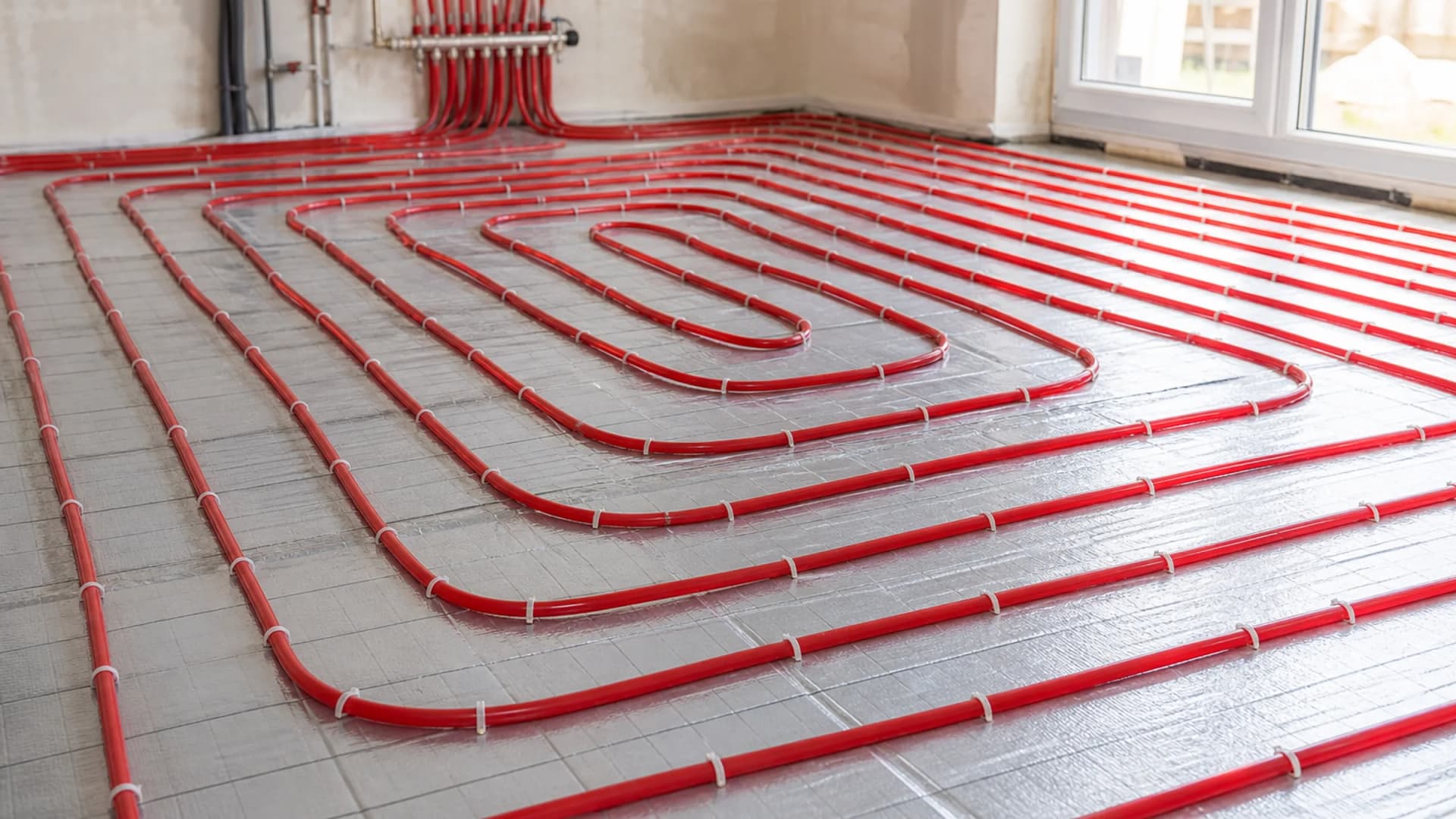
Not sure whether your home is ready for all-electric? Test it during the heating season. Set your boiler's supply temperature to about 50 degrees and see whether the house stays comfortably warm, even after a cold night. If it does, your radiators or underfloor heating can handle the lower temperatures a heat pump runs on.
If it does not get properly warm, that is not a verdict against the heat pump, but a signal: insulate first or upgrade radiators, or start with a hybrid. How to run the test and what to improve is on our page about insulation and heat pumps.
Grid control and going off gas later
One difference is often overlooked: grid control. In the schemes grid operators use to soften evening peaks, hybrid heat pumps can take part. The unit briefly heats on gas while the grid is relieved; your home simply stays warm. Fully electric heat pumps fall outside the current scheme. How it works and what it pays is on our page about grid control.
Want to end up all-electric but your home is not ready yet? There is an in-between: a higher-powered hybrid, also called all-electric-ready. After upgrading your insulation you convert it to fully electric, without buying a whole new unit.
At SolarFast the site survey covers your insulation, heat delivery, fuse box and hot water use. From that follows honest advice: hybrid, all-electric or insulate first. Put your situation to us and we will calculate both routes.
Verdict
Well-insulated home with underfloor heating or generous radiators? All-electric is often the best choice: fully off gas and the largest long-term saving. Modest insulation or improving step by step? A hybrid is a sensible interim step that saves roughly 60 to 70 percent of heating gas right away, and of the two it is the only one that can join grid control. We look at your home and advise what fits.
Solar panels are still a smart investment in 2026. A few things matter if you want the most from your own power.
Your energy use
Planning to drive, cook or heat electrically? Factor that into how many panels you install now.
Spread the yield
Spread panels across roof faces so you generate through the day and use more of your own energy.
Your data
Choose a system with its own 4G connection and data storage in Europe so your information stays secure.
Boost your energy
A smart home battery stores today's power for later, so you use more of your own electricity after sunset.

We install your heat pump
Usually within a few weeks. Our installers fit the heat pump and calmly explain how it works.
- Use structurally less gas
- Comfort all year round
Frequently asked questions
A hybrid heat pump works alongside your boiler and runs partly on gas; the boiler also delivers your hot water. An all-electric heat pump heats and delivers hot water without gas, but needs reasonable to good insulation.
Usually yes. All-electric works best at a low supply temperature, so in a reasonably to well insulated home with suitable heat delivery. The heating test (boiler at 50 degrees) shows whether your home is ready.
Over the long term often yes, because you are off gas entirely and stop paying the gas standing charge once the connection is removed. The investment is higher, though, and your home must be ready for it.
Yes. In the current grid control schemes, hybrid heat pumps can briefly heat on gas during peak moments to relieve the power grid. Fully electric heat pumps currently fall outside the scheme.
Yes. Pick an all-electric-ready hybrid: a higher-powered unit that can run fully electric after you improve your insulation, extended with a hot water storage tank.
The Dutch ISDE subsidy is available for both hybrid and all-electric heat pumps. How to apply is in heat pump subsidy; a first indication is in the ISDE check.

Discover what smart energy can do for you
In about an hour you get insight into your savings, the options for your home and when the investment pays back. Straightforward, honest advice so you know exactly where you stand.
Smart energy at home
- Upgrade your home with our smart battery
- Our solar panels deliver up to 25% more energy
- A heat pump to minimise your energy use
- Charge your electric car easily at home with an EV charger
Booking an advice call is easy
Fill in your details below. Within a day we will contact you to schedule a no-obligation advice call together.
Related articles