Your energy use
Going electric for driving, cooking or heating? Factor that into how many panels you need now.


Leave your details for an advice call. We will look at what suits your home and needs together, with no obligation.
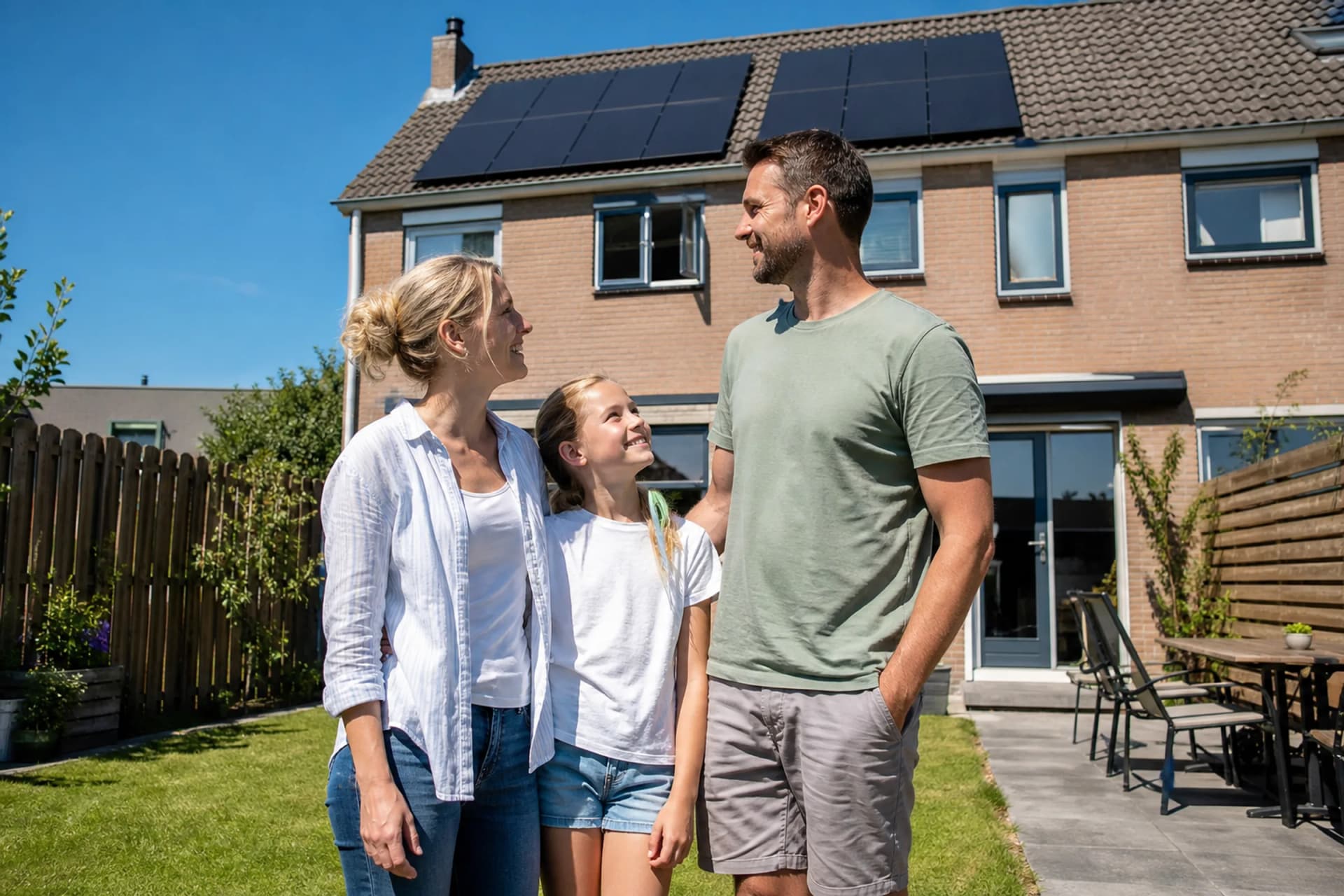
How many panels you need depends on your power use. Look at your current annual use on your energy bill, and think ahead: electric driving, a home battery, or a growing household can all raise demand.
Planning for that now helps you avoid an install that is too small later. Bigger is not always better either. In an advice call we look at today's use and what the coming years may bring.

Morning coffee, laundry in between: you already did that, and it needs power during the day. With solar panels on your roof, more of that power comes from you.
We look at your roof and your usage so the system fits how you live. Request a quote with no obligation. You are not locked in.
Going electric for driving, cooking or heating? Factor that into how many panels you need now.
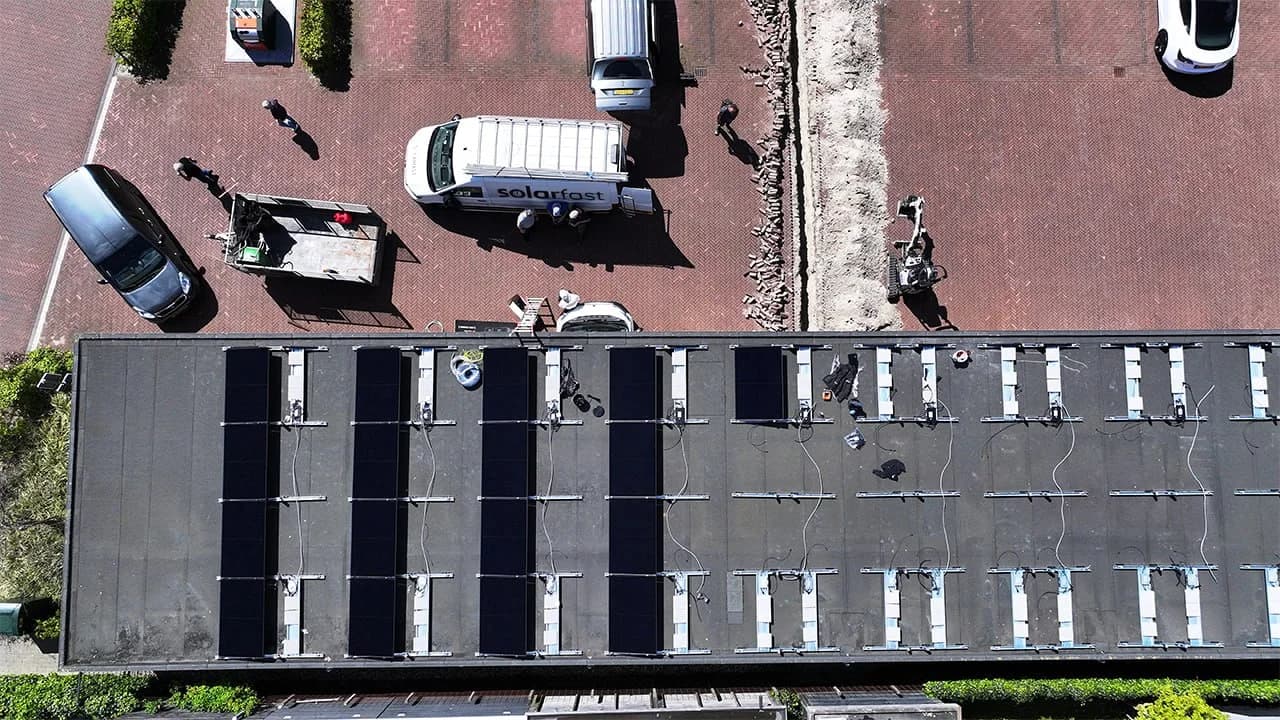
Spread panels across roof faces. You generate throughout the day and use more of your own power.
Smart energy needs smart security. Prefer a system with its own 4G link and data stored in Europe.
A chimney or tree can slow a string of panels. Microinverters or optimizers keep the rest performing.
The inverter is the heart of your system. Pick a strong brand with solid monitoring and clear warranty.
Net metering ends. The more you use yourself, the less you depend on feed-in. That starts with the right design.
Panels need little care. Still check for dirt or leaves, and watch the app if yield suddenly drops.
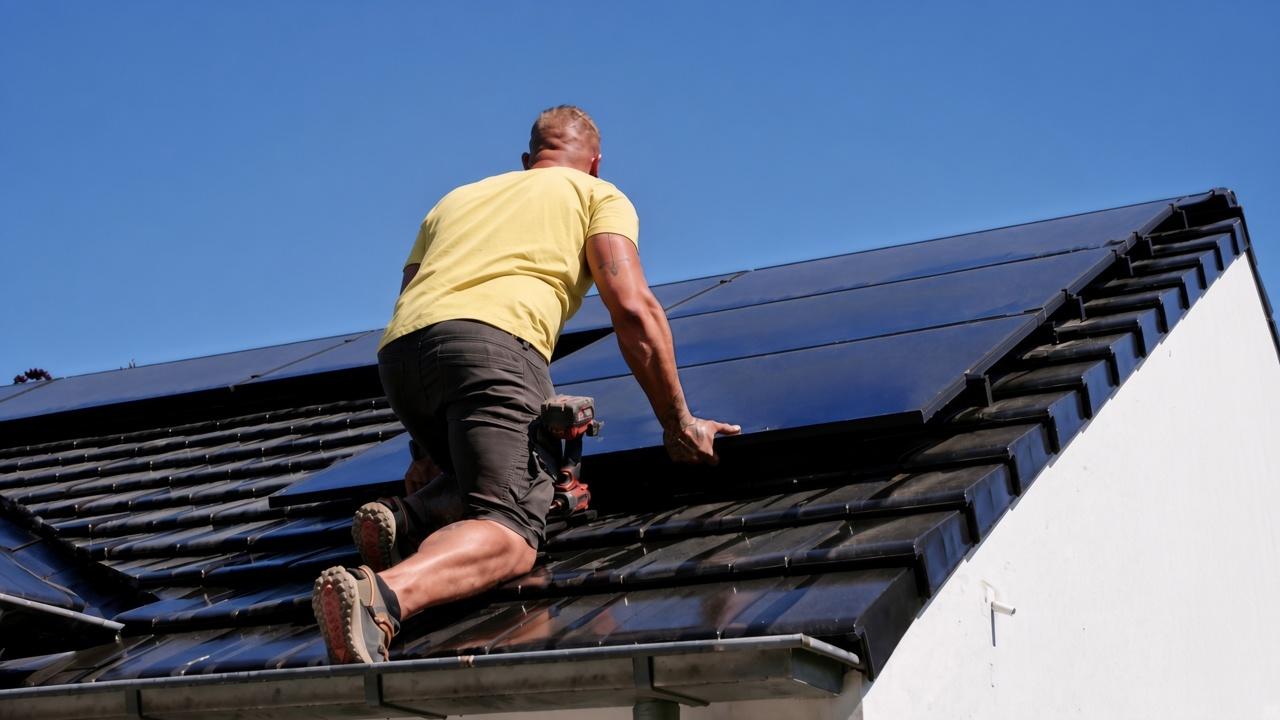
A solar panel contains silicon cells. Sunlight knocks electrons loose in those cells, and that produces direct current (DC). The more light there is, the more power. Direct sun gives the highest output, but generation continues even under cloud.
So you do not need a heatwave. Bright but cool spring weather often gives a great result, because the cells work slightly more efficiently at lower temperatures.
Your home and the grid run on alternating current (AC), while your roof produces direct current (DC). The inverter converts one into the other so you can use the energy at home or feed it back.
There are different types, from a central string inverter to a micro-inverter per module. Which fits depends on your roof, the number of modules and any shading.
If you generate more than you use during the day, the surplus goes back to the grid. In the evening you draw electricity from your energy supplier again. How that exchange is settled falls under the net metering scheme, which is ending.
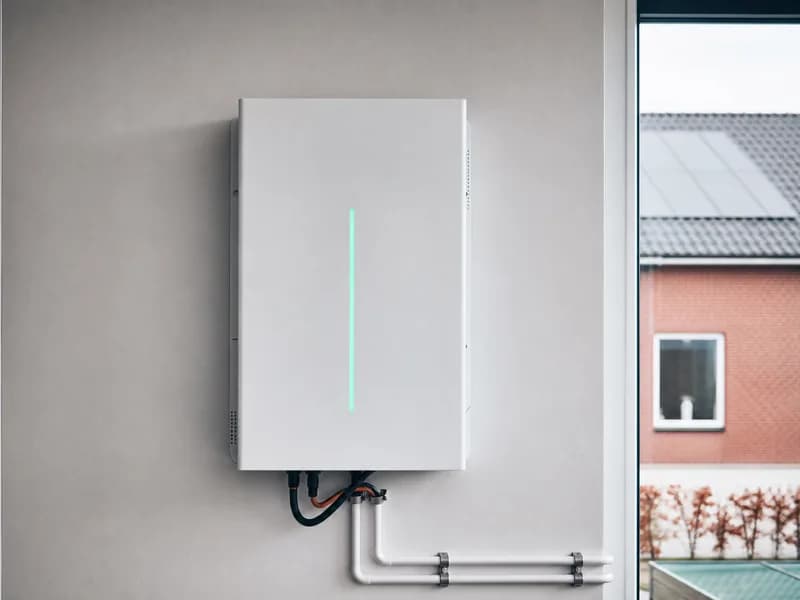
If you want to use more of your own generation, a home battery helps. It stores the daytime surplus for the evening, exactly when your usage peaks.
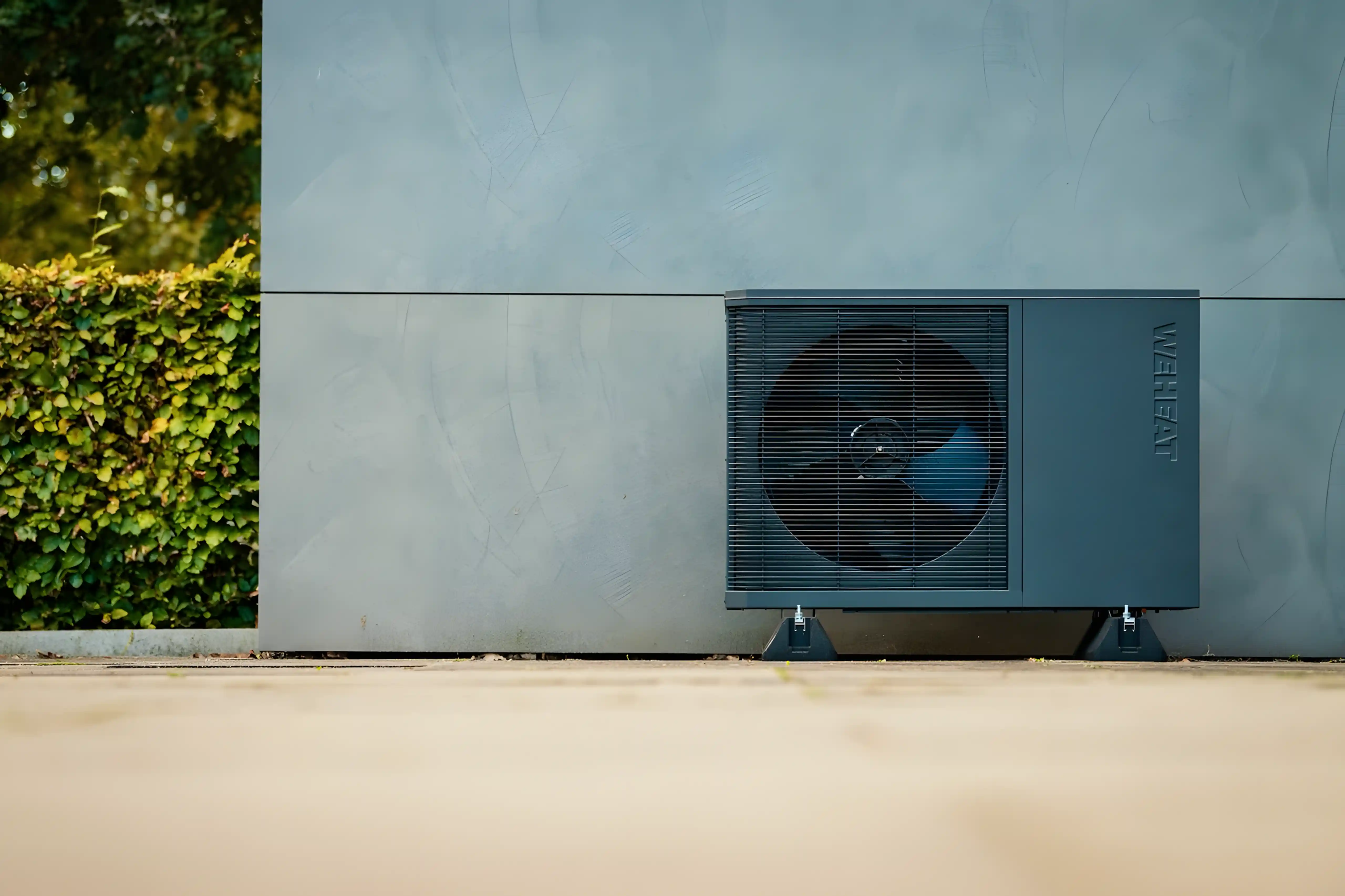
A heat pump draws warmth from the outside air and uses far less gas than a boiler. Your home stays comfortable, summer and winter, while you save on your energy bill.
More about heat pumps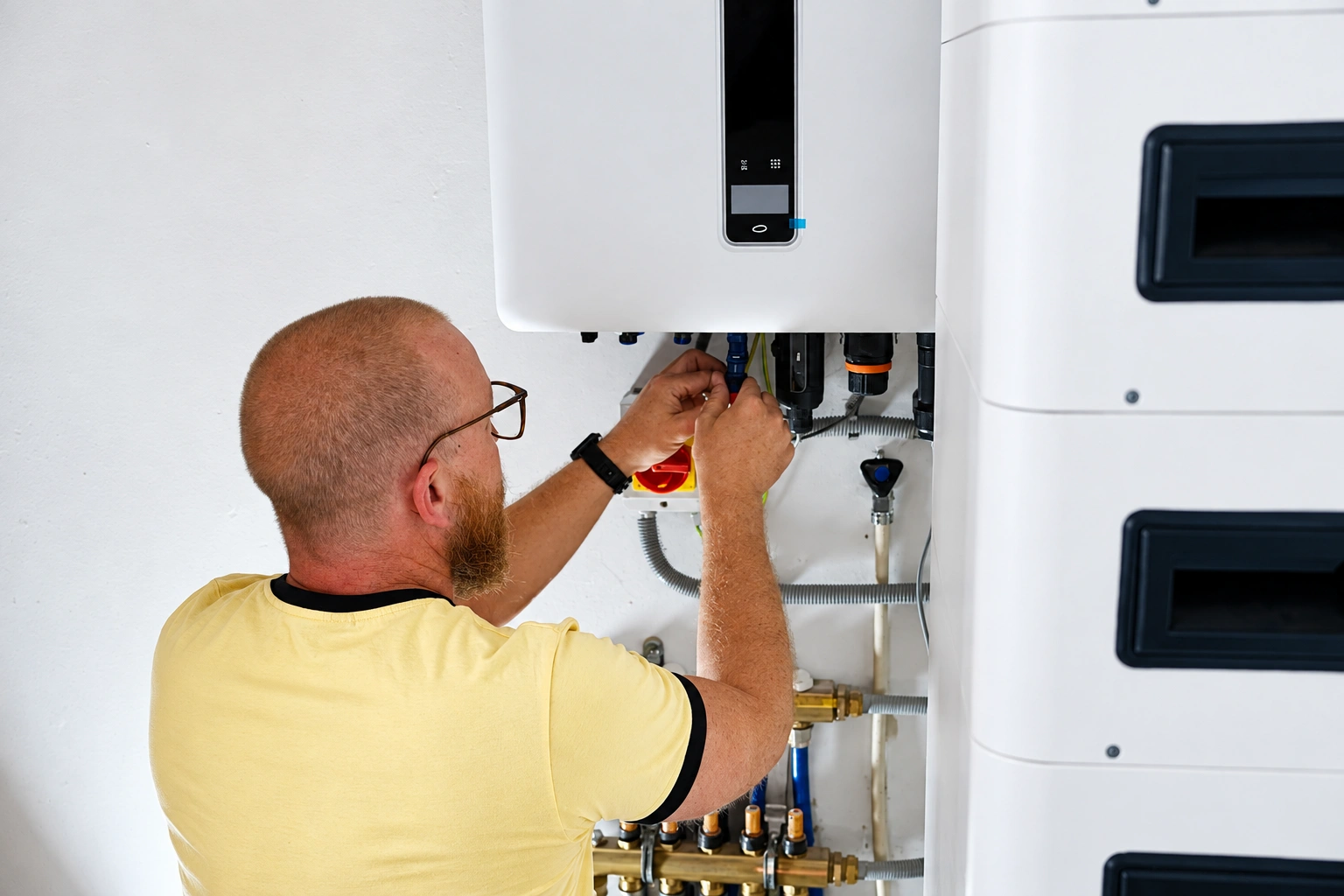
The sun does not only shine when you need power. With a battery you store today's energy for tomorrow morning's coffee. Or you use stored power on cloudy days and in the evening.
More about our batteries
Home charging is the easiest option: leave every morning with a full battery. Pair your charger with solar panels and charge on your own power.
More about EV chargers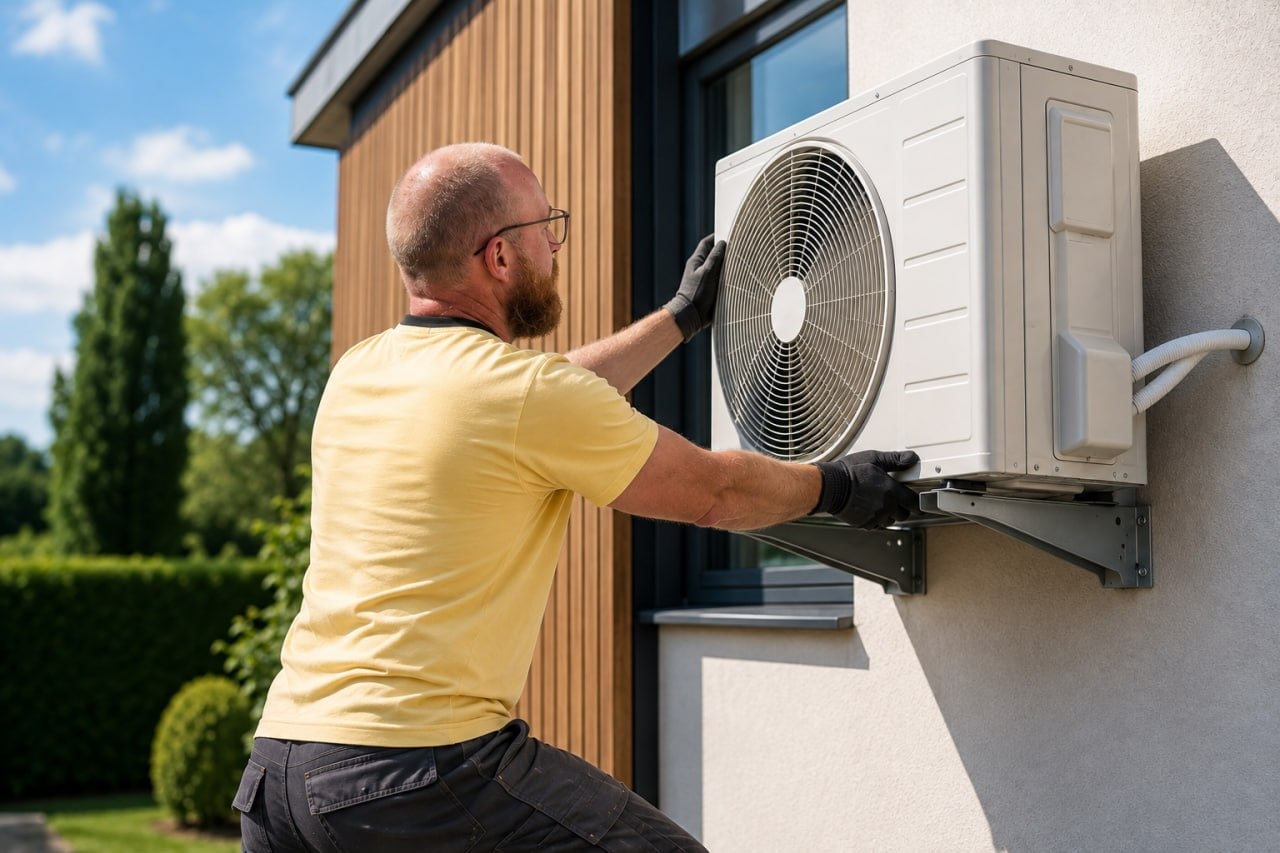
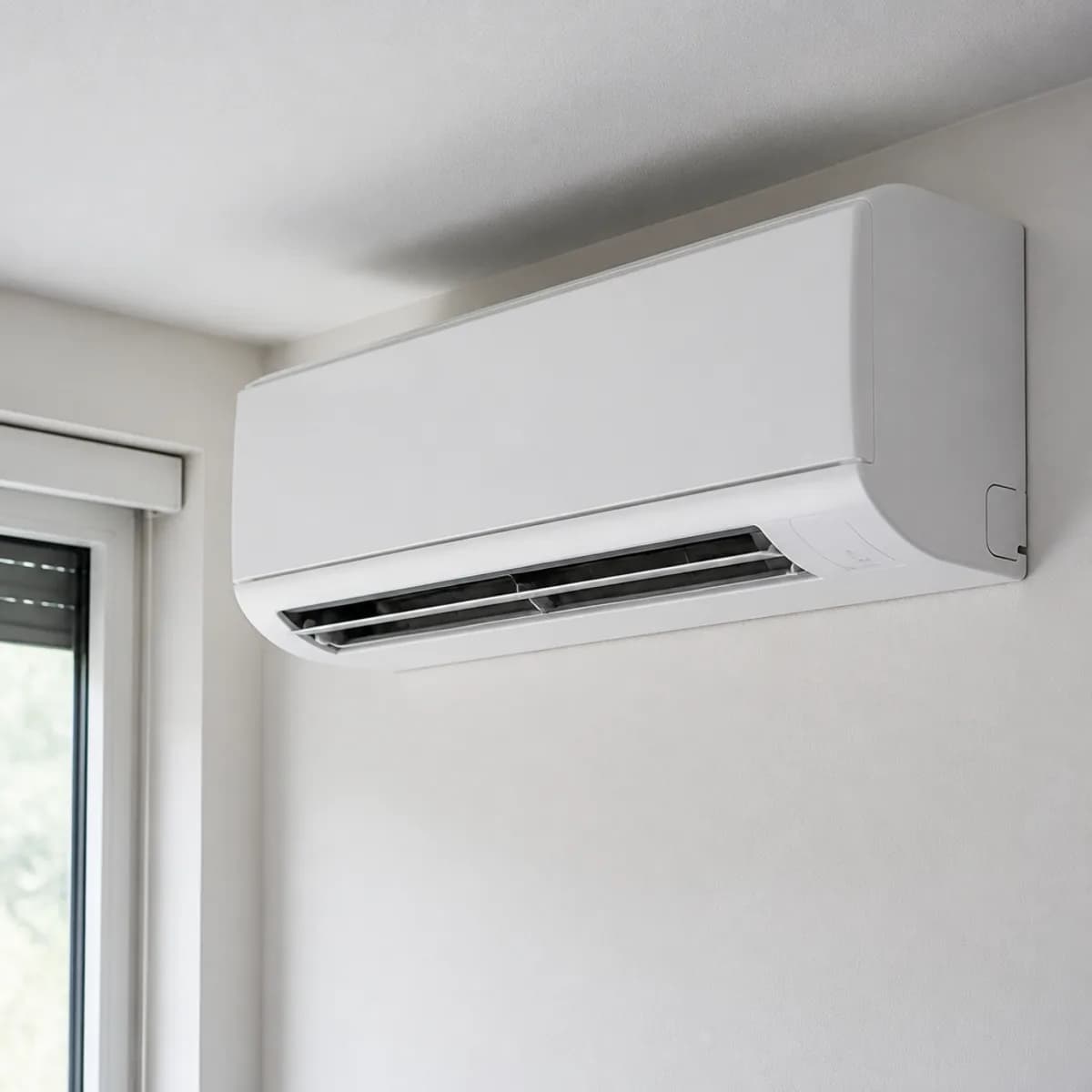
On a hot day you just want a room that feels liveable again. A fixed air conditioner cools quickly, and can top up heat in that same room in winter.
More about air conditioningThat depends on your roof and your usage. You get a tailored quote with A-brand panels and no down payment. Request one with no obligation and you'll know where you stand within 24 hours.
Usually within three weeks of approval. Our own installers plan a time that suits you.
For many homes yes, but there is no fixed timeline. Usage, tariffs, feed-in charges and the end of net metering all play a part. We calculate it concretely in your quote.
East- and west-facing roofs produce well too. We calculate upfront what your roof can realistically deliver.
Yes. Our quote is all-in: panels, inverter and installation. No surprises afterwards.
Yes. Solar panels count in the energy-label calculation and can help toward a better label. Your existing registered label does not update by itself: if you want it refreshed, have a new label drawn up after installation.

Want to dig deeper before you buy? Start here with the essentials.
Smart energy at home gives you more grip on costs. A smart home battery can help you save and earn by supporting the grid.
Independently certified