
Heat pump vs gas boiler
7 min read
A heat pump boiler is the heat pump that takes over from your gas boiler: efficiency, cost and comfort, and when a boiler still makes sense.
All comparisons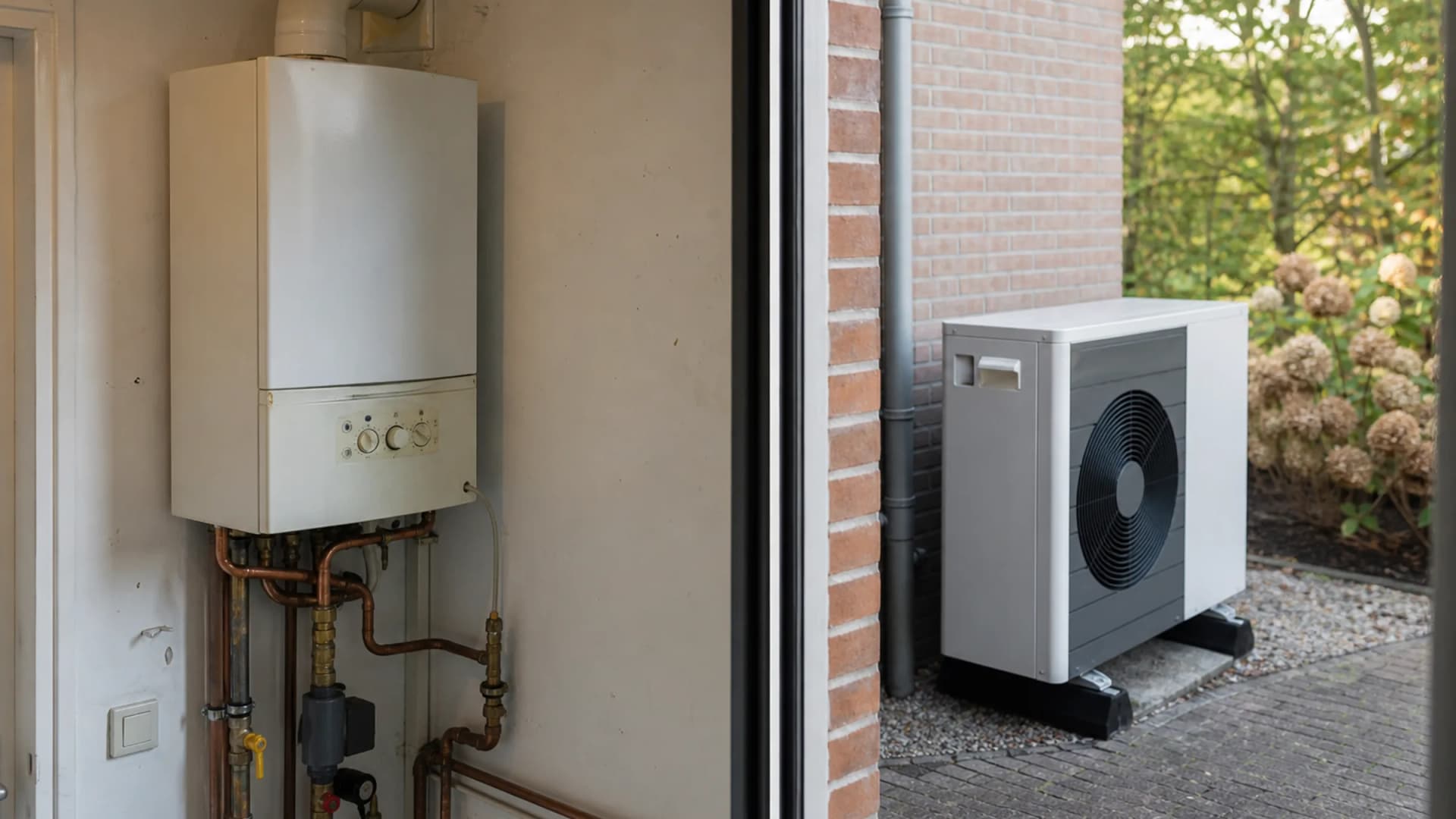
A heat pump turns one kilowatt-hour of power into three to five kilowatt-hours of heat; a gas boiler never extracts more heat than the gas contains. That is why the heat pump wins on consumption and CO2. The boiler remains logical when your home is not ready yet: poorly insulated, or the boiler was just replaced. The hybrid route sits in between.
Introduction
 Heat pump
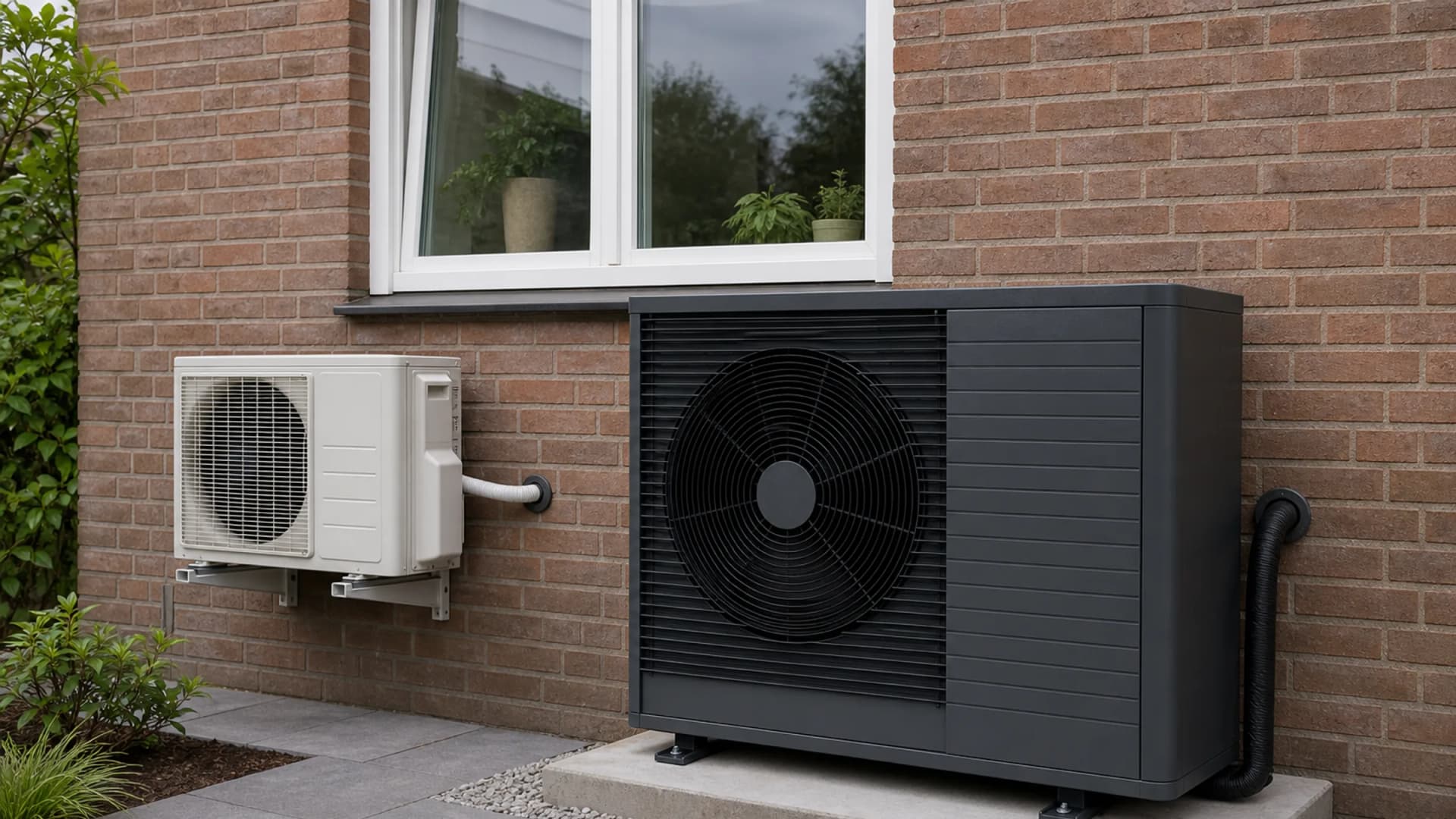
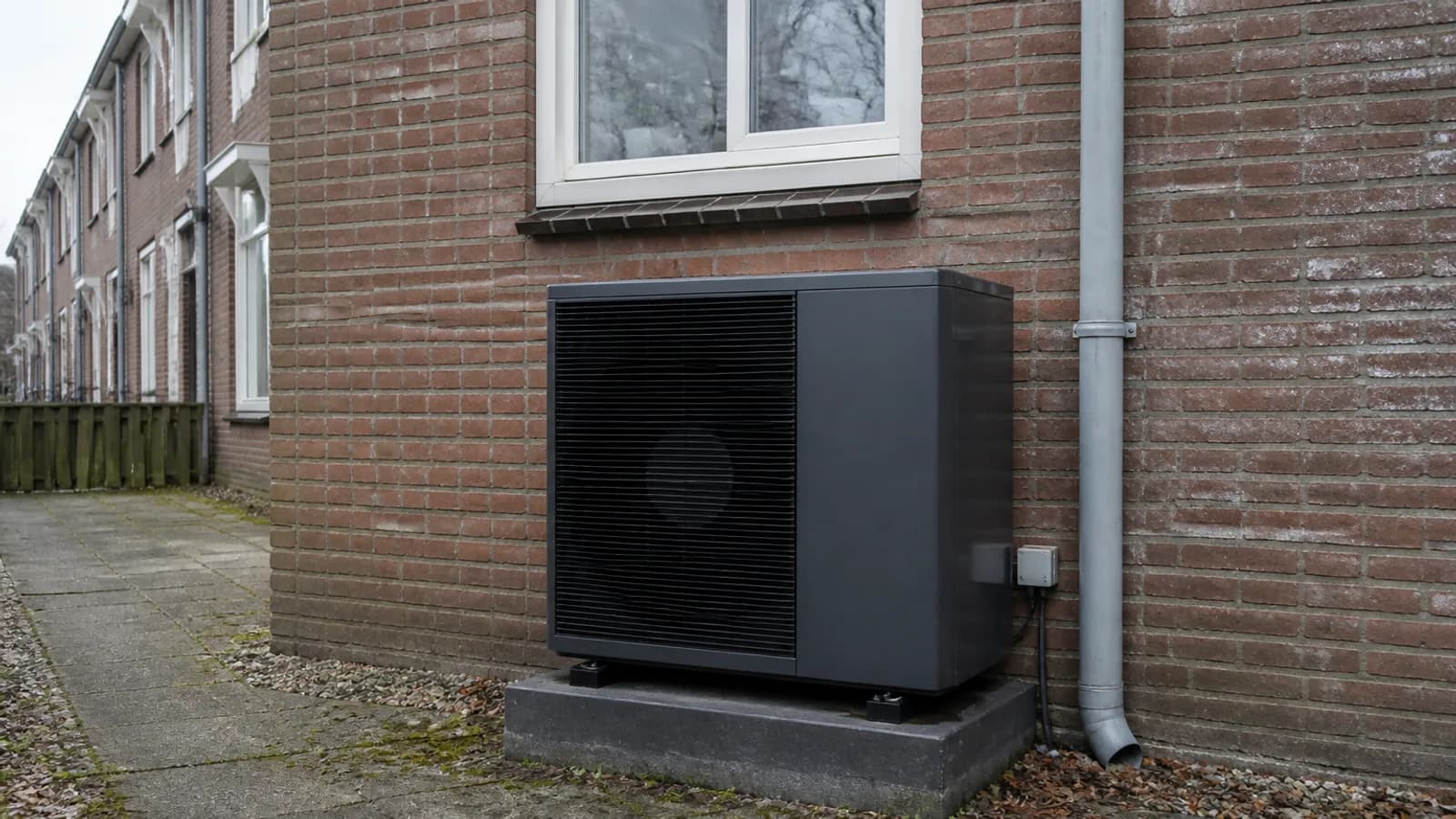
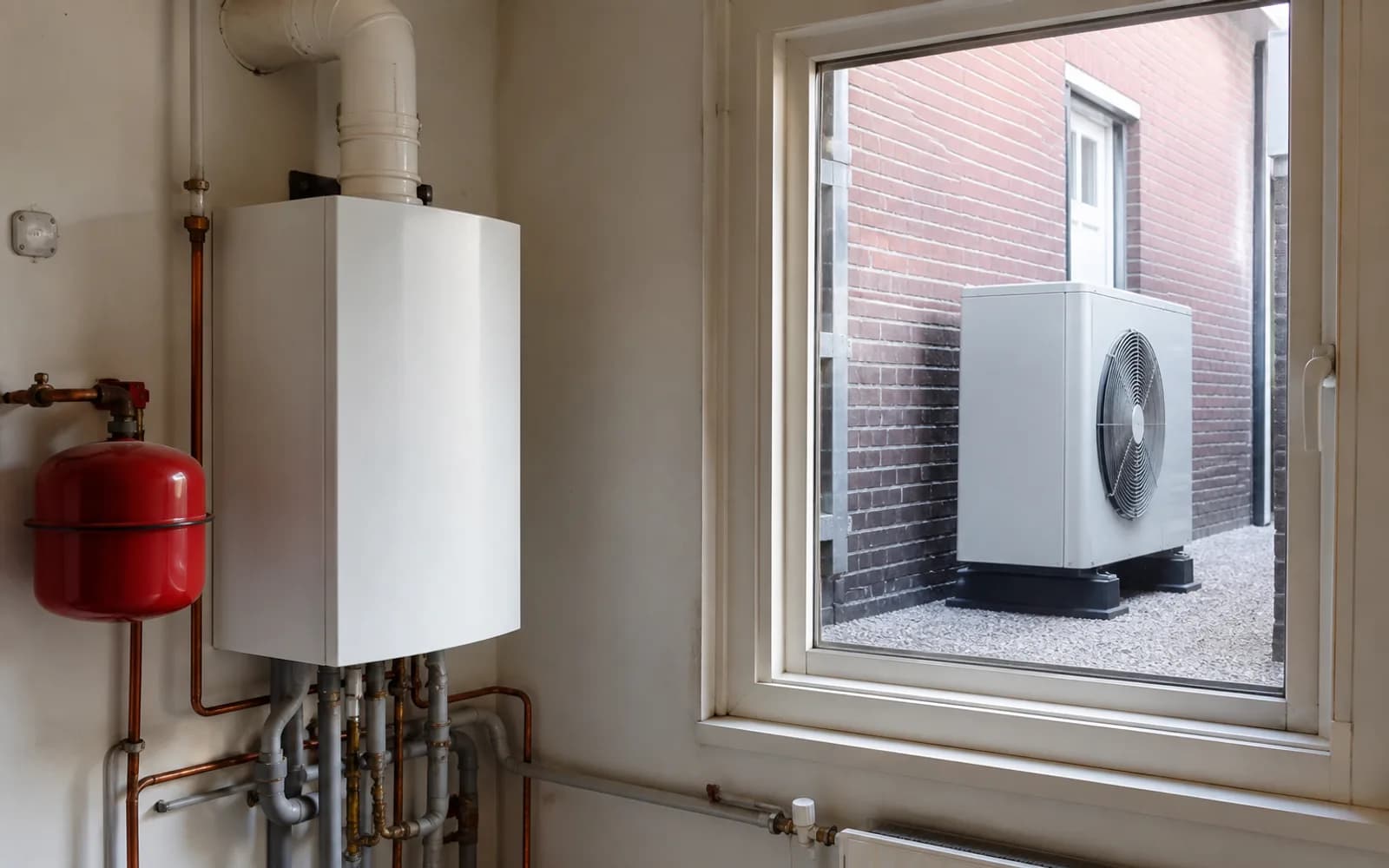
The gas boiler has been the standard for decades; the heat pump is its successor on electricity. That swap is a heat pump boiler: the heat pump takes over from the gas boiler. Below we compare the two on efficiency, cost, comfort and the question that matters most: is your home ready? What insulation has to do with it is covered in our guide on insulation and heat pumps.
The options side by side
Heat pump
Pros
- Three to five kilowatt-hours of heat per kilowatt-hour of power
- Considerably lower CO2 emissions than a gas boiler
- Less or no gas use and eventually no gas standing charge
- Dutch ISDE subsidy available
Cons
- Higher upfront investment
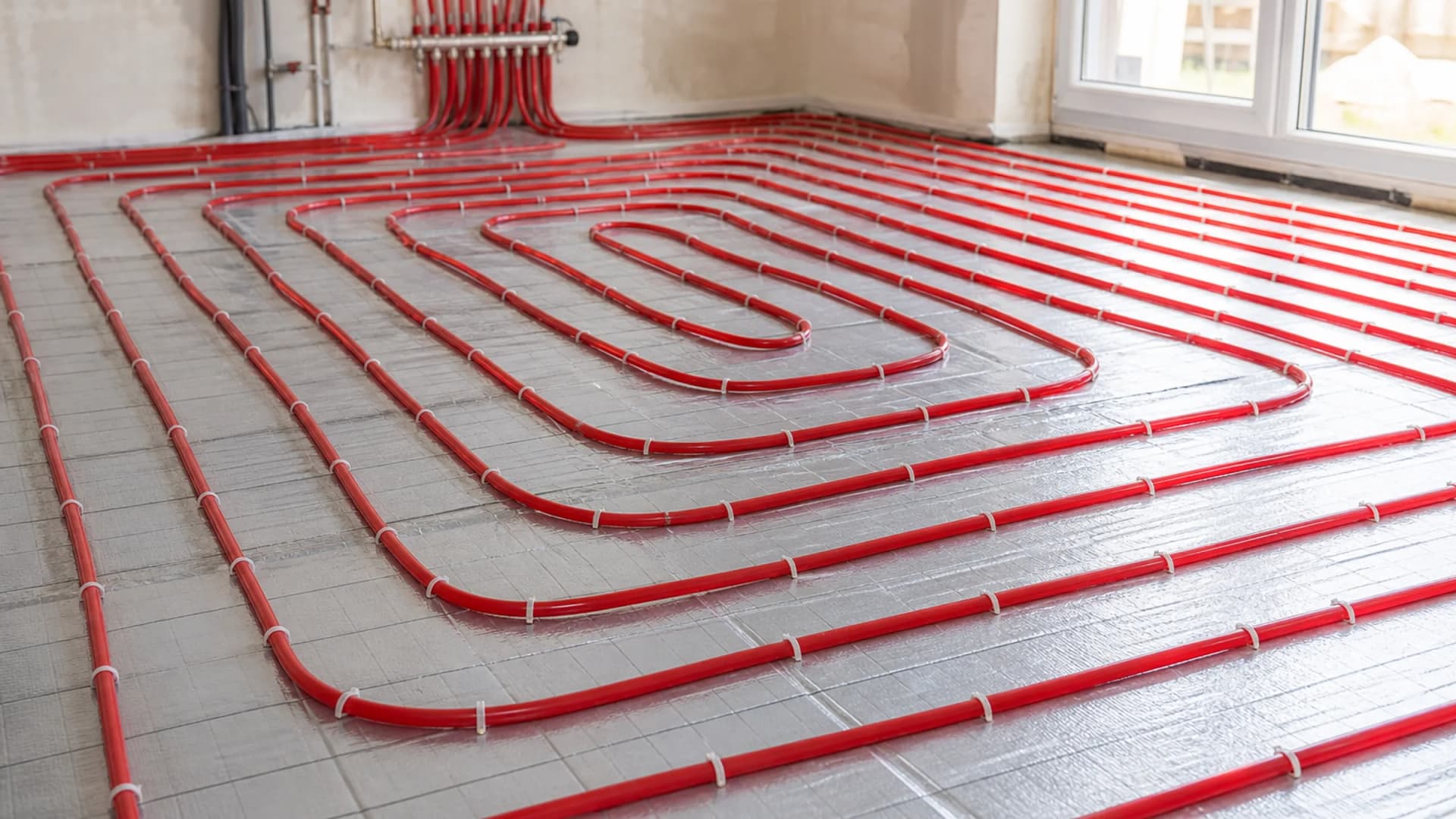
- Needs suitable insulation and low-temperature heat delivery
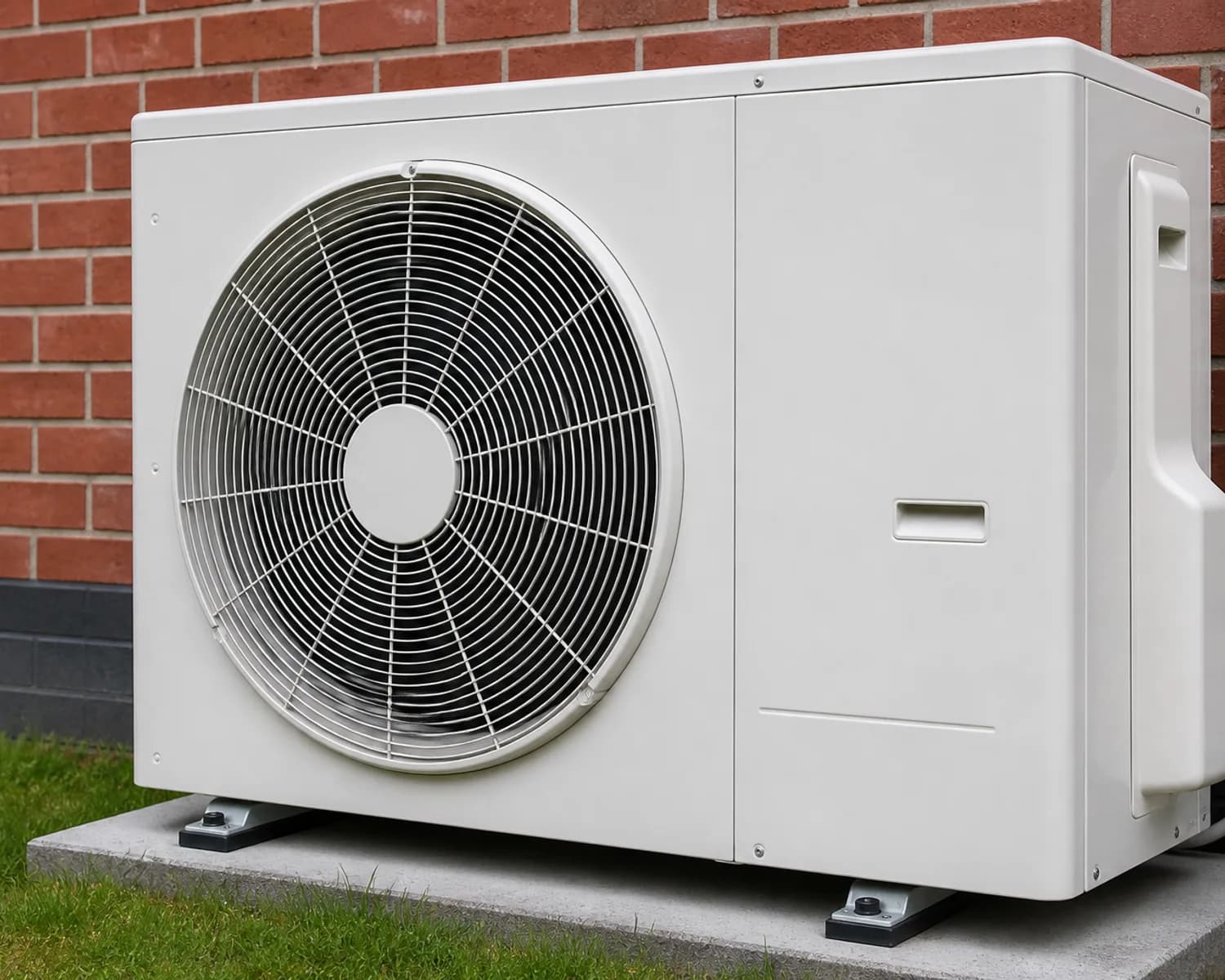
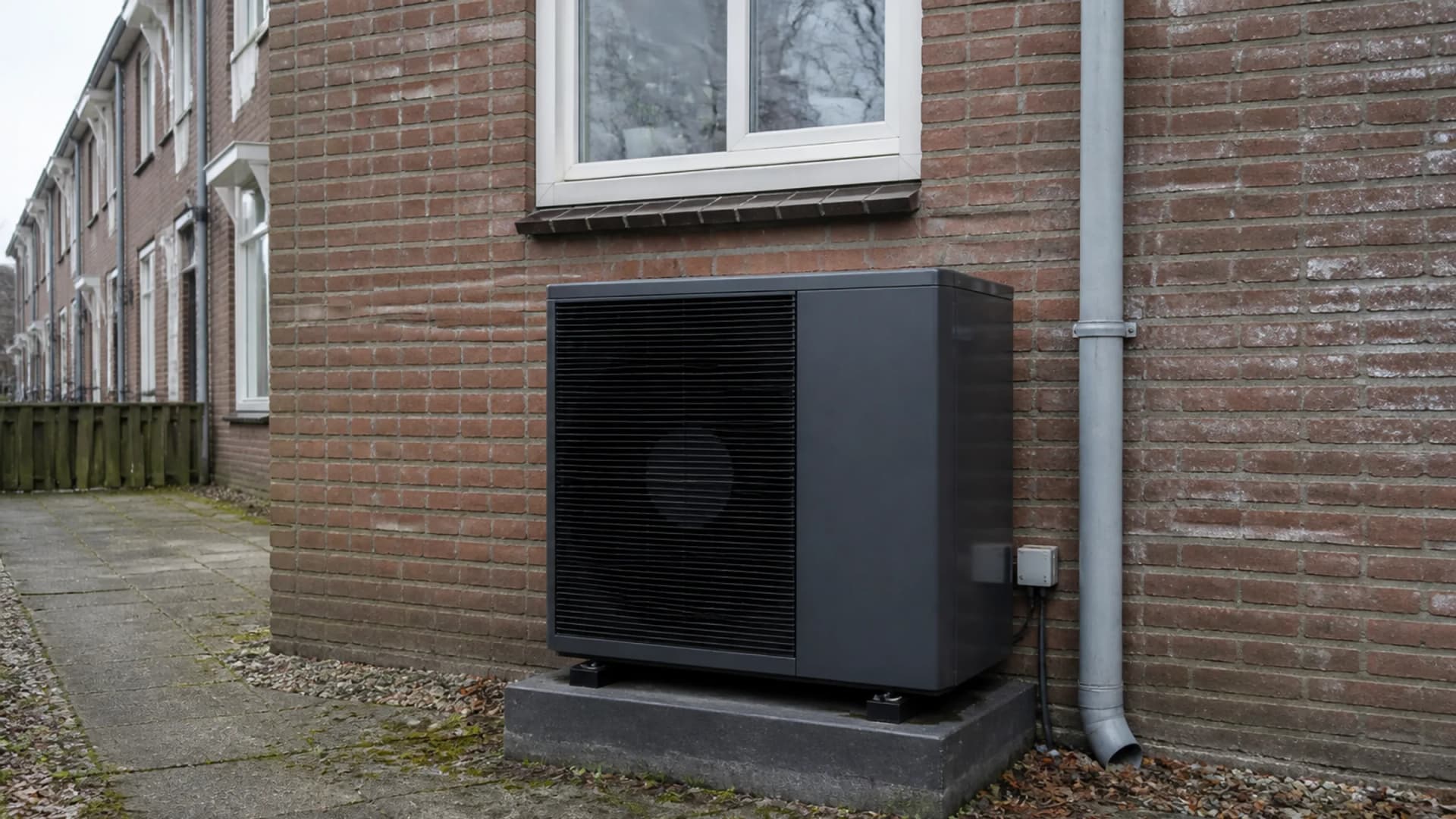
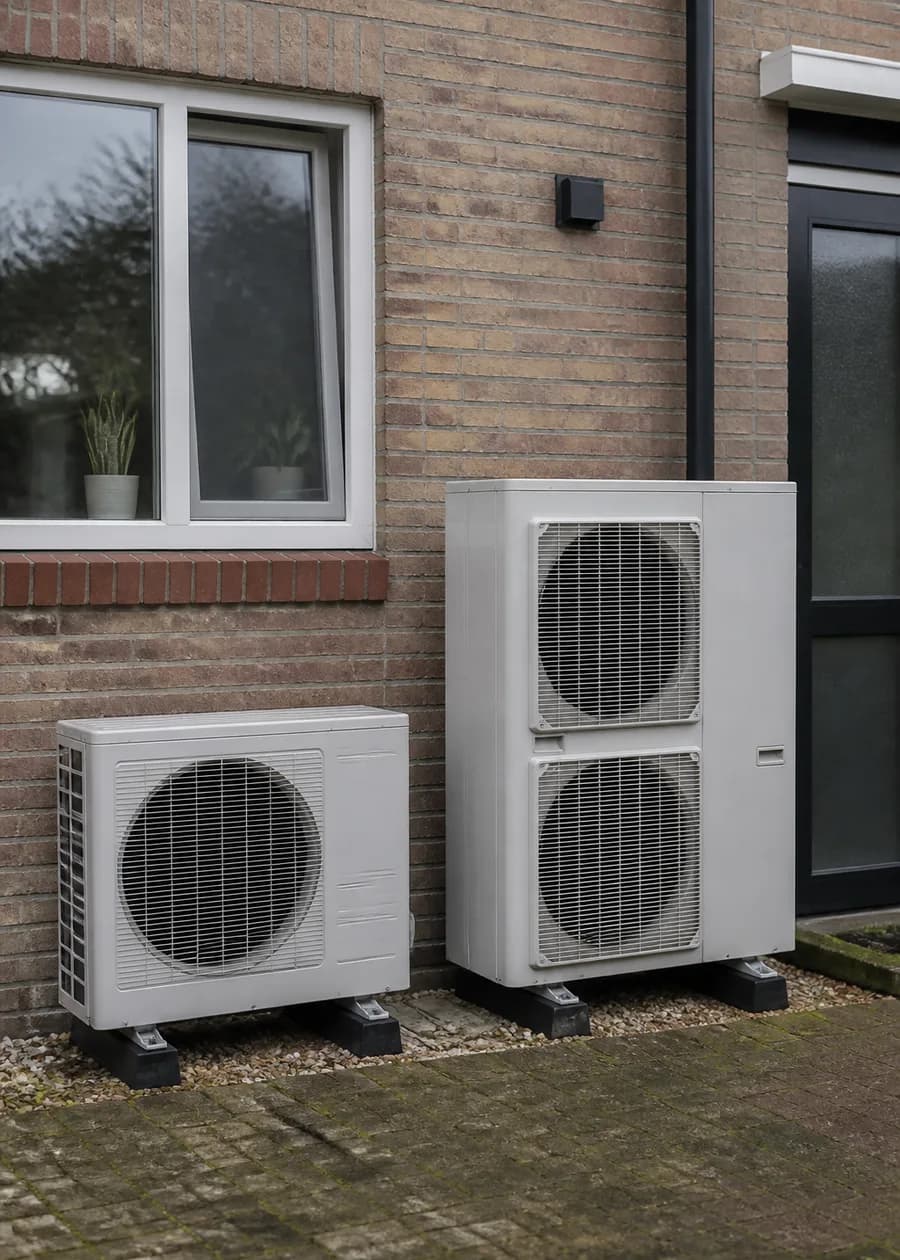
- The outdoor unit needs a spot
Gas boiler
Pros
- Low purchase price and quick to replace
- Works in any house, even poorly insulated
- Compact, no outdoor unit
Cons
- Efficiency can never exceed the energy content of the gas
- Fully dependent on the gas price
- No subsidy and no route to gas-free
The efficiency difference in plain language
A modern condensing boiler is a fine machine, but there is one thing it cannot do: deliver more heat than the energy contained in the gas. A heat pump can, because it does not make heat but moves it: it extracts warmth from the outdoor air and pumps it into your home. From one kilowatt-hour of power it makes three to five kilowatt-hours of heat, according to Milieu Centraal (Dutch). How that efficiency is expressed is covered under COP and SCOP.
Add the climate gain: compared with a condensing boiler, CO2 emissions for heating and hot water drop by a good 30 to 70 percent, depending on use and how green the power is, per the same source. What it means for your power consumption is calculated via what a heat pump consumes.
Cost: purchase versus consumption
The boiler wins on the purchase receipt, the heat pump on the annual bill. How quickly that flips depends on your heat demand, insulation and energy prices; that is why we calculate it per home instead of scattering averages. For the heat pump there is also the ISDE subsidy (Dutch); how to apply is in heat pump subsidy and the ISDE check. A new gas boiler gets no subsidy.
| Heat pump | Gas boiler | |
|---|---|---|
| Energy source | Power (plus outdoor air or ground) | Natural gas |
| Efficiency | 3 to 5 kWh of heat per kWh of power | Never more heat than the gas contains |
| Purchase | Higher investment | Lower investment |
| Subsidy | ISDE possible | None |
| Requirements on the home | Insulation and low-temperature delivery | None |
| Cooling in summer | Often possible | No |
Efficiency and CO2 gain per Milieu Centraal; subsidy conditions via RVO (ISDE). We deliberately leave amounts out; they are current in your quote.
When is the gas boiler (still) the logical choice?
Honest answer: sometimes it is. If your home is poorly insulated and there is no budget to insulate first, a fully electric heat pump becomes expensive to run; hot radiators push the efficiency down. If your boiler was just replaced, scrapping it is rarely rational. And in some situations, such as a listed building that can hardly be insulated, gas remains practical for now.
What does work in those cases: the hybrid route. The heat pump does the daily work, the existing boiler covers the coldest days and the hot water. You immediately save most of your heating gas without your house having to be perfect yet. The full trade-off is in hybrid vs all-electric.
Comfort and daily use
A heat pump heats differently from a boiler: calmer and more constant, with a lower water temperature. If you are used to cranking the thermostat five degrees in the evening, it takes adjusting; a heat pump prefers to hold an even temperature all day. Many people find that more comfortable, but it is a different way of heating.
Two more practical differences: a heat pump with an outdoor unit makes noise (rules apply, and a good setup prevents hassle), and many all-electric heat pumps can also cool in summer. No gas boiler has an answer to that.
How SolarFast advises on this
During the survey we look at your insulation, heat delivery, gas consumption and fuse box. From that follows honest advice: switch fully now, take the hybrid step first, or insulate first and leave the boiler for now. Put your situation to us or see the heat pump page.
Verdict
If your home is reasonably to well insulated, the heat pump wins the comparison: far higher efficiency, considerably less CO2 and a subsidy on top. If your house is not ready or the boiler is brand new, the hybrid route or insulating first is the sober choice. A new gas boiler without a plan behind it is the one option we rarely advise: it buys you fifteen years of gas dependency.
Solar panels are still a smart investment in 2026. A few things matter if you want the most from your own power.
Your energy use
Planning to drive, cook or heat electrically? Factor that into how many panels you install now.
Spread the yield
Spread panels across roof faces so you generate through the day and use more of your own energy.
Your data
Choose a system with its own 4G connection and data storage in Europe so your information stays secure.
Boost your energy
A smart home battery stores today's power for later, so you use more of your own electricity after sunset.

We install your heat pump
Usually within a few weeks. Our installers fit the heat pump and calmly explain how it works.
- Use structurally less gas
- Comfort all year round
Frequently asked questions
A heat pump takes heat from the outdoor air and pumps it into your home, using electricity. A gas boiler burns gas. That is why the heat pump delivers more heat per kilowatt-hour, and the boiler remains logical when your house is not ready yet: poorly insulated, or the boiler was just replaced.
A heat pump boiler heats water for your radiators or floor, so it can take over from a gas boiler. That only makes sense once the house can run on a lower water temperature. If it cannot yet, start with insulation or a hybrid setup. What insulation has to do with it is in our guide on insulation and heat pumps.
Yes, by a wide margin: a heat pump turns one kilowatt-hour of power into three to five kilowatt-hours of heat, while a boiler never delivers more heat than the energy in the gas. Whether it also wins in euros depends on your insulation and energy prices; we calculate that per home.
Technically almost always, but it is only sensible once your home fits: enough insulation and a heat delivery system that handles lower water temperatures. If that is not there yet, hybrid or insulating first is the better route.
With a poorly insulated home and no budget to insulate first, with a boiler that was just replaced, or with a home that can hardly be insulated. In many of those cases a hybrid heat pump is still a sensible interim step.
The Dutch ISDE subsidy is available for heat pumps. How to apply is in heat pump subsidy; a first indication is in the ISDE check. There is no subsidy for a new gas boiler.
With an all-electric heat pump the hot water comes from a storage tank at the unit. In a hybrid setup the gas boiler keeps providing the hot water. We include that difference in the advice.
Yes. Efficiency is lower on cold days than on mild ones; in a hybrid setup the boiler steps in. For all-electric we size the capacity so the house stays warm through a cold spell.
Many all-electric heat pumps can cool in summer through the heat delivery system, such as the floor. It is mild cooling, not air conditioning, but it makes a noticeable difference on hot days. A gas boiler has no such function.

Discover what smart energy can do for you
In about an hour you get insight into your savings, the options for your home and when the investment pays back. Straightforward, honest advice so you know exactly where you stand.
Smart energy at home
- Upgrade your home with our smart battery
- Our solar panels deliver up to 25% more energy
- A heat pump to minimise your energy use
- Charge your electric car easily at home with an EV charger
Booking an advice call is easy
Fill in your details below. Within a day we will contact you to schedule a no-obligation advice call together.
Related articles