
Air-to-air or air-to-water heat pump
7 min read
Air or water? An air-to-air (AC unit) or an air-to-water heat pump: what that means for hot water, cooling and subsidy, and which system fits your home.
All comparisons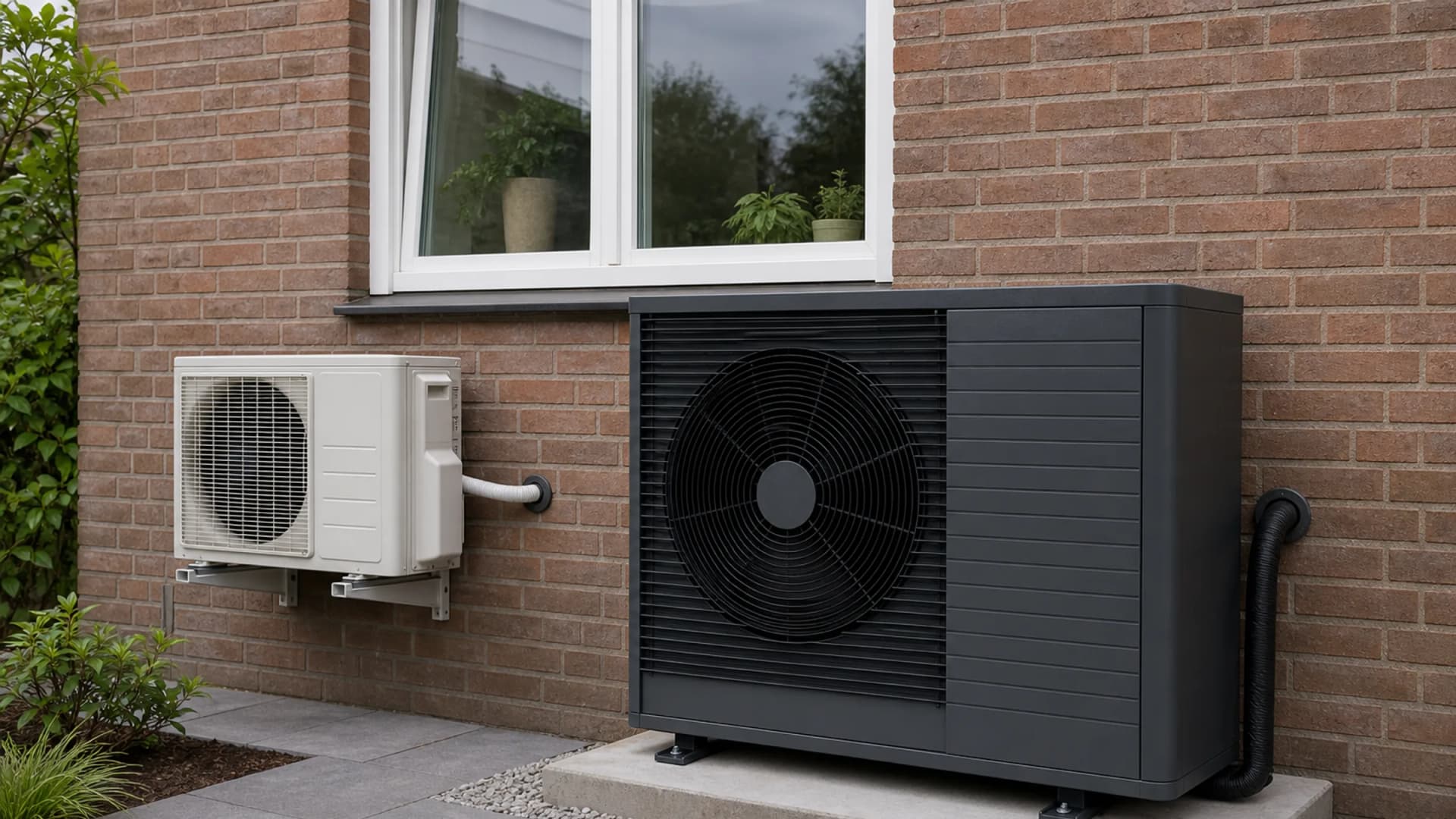
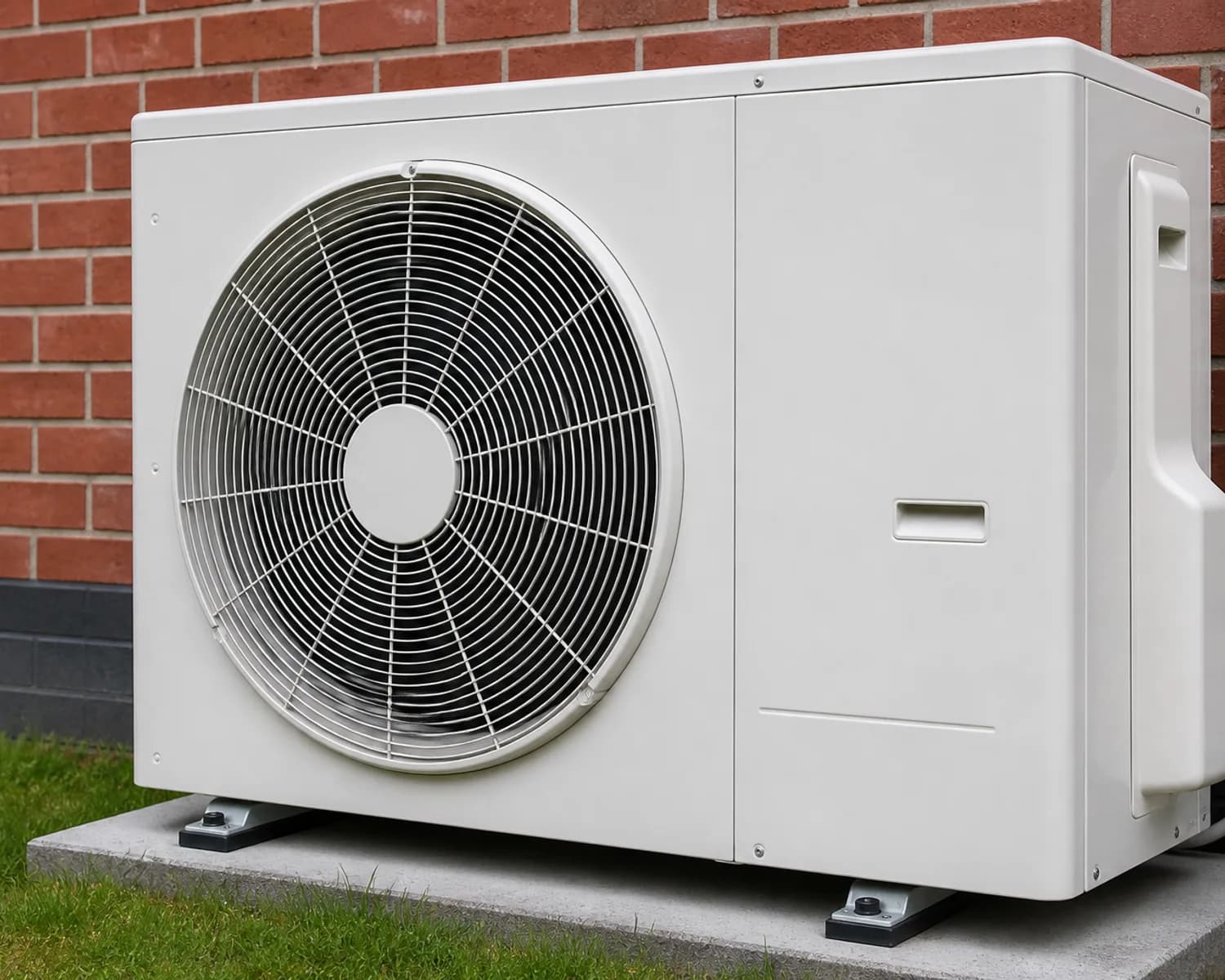
An air-to-air heat pump is in practice an air conditioner that also heats: it blows warm air into one room and cools in summer. An air-to-water heat pump heats the water of your central heating system and your tap water, and can replace your boiler. Want to get off gas? Air-to-water is your route. Want comfort plus cooling in one room? Air-to-air is the logical pick.
Introduction
 Heat pump
Air or water: both systems harvest heat from outside air, and that is where the similarity ends. One releases that heat directly into the air of your room, the other into the water of your radiators, underfloor heating and hot water tank. That makes them two different tools for two different questions. Below we put them side by side; if you go air-to-water, the next question is hybrid or all-electric, which we cover in hybrid vs all-electric heat pump.
The options side by side
Air-to-air heat pump (AC unit)
Pros
- Cools in summer as easily as it heats
- Lower purchase price and quick installation
- Responds fast: a room warms up quickly
- No radiators or underfloor heating needed
Cons
- Heats air, not tap water: showers still need a boiler
- Needs an indoor unit per room
- No ISDE subsidy: counts as air conditioning
- Blows air, which feels different from radiant heat
Air-to-water heat pump
Pros
- Heats your whole home via radiators or underfloor heating
- Also delivers hot tap water with a storage tank
- Can replace the gas boiler: hybrid or fully gas-free
- ISDE subsidy available
Cons
- Higher investment and more installation work
- Needs suitable heat delivery and good insulation
- Cools mildly at best, via underfloor heating
Same principle, different destination
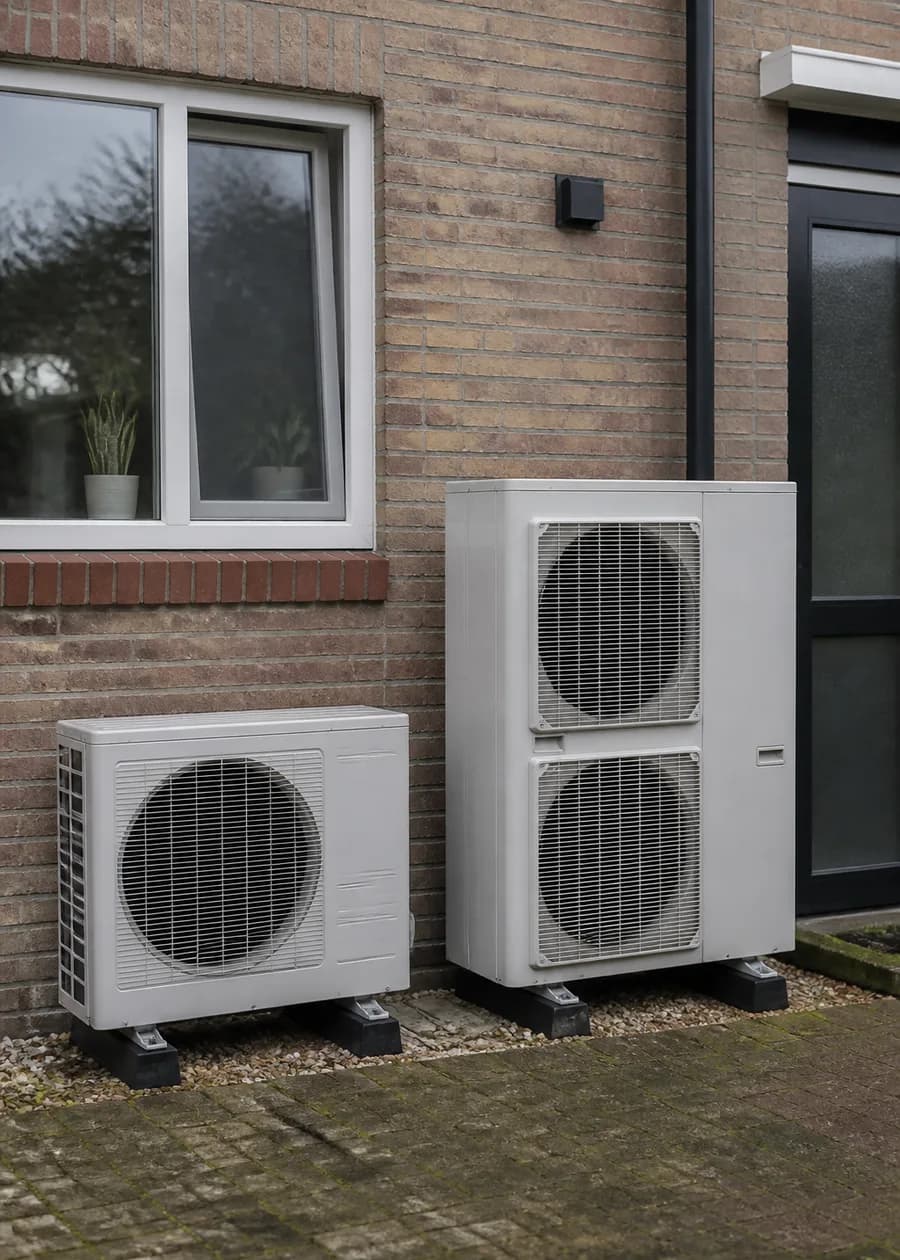
Technically they are family: an outdoor unit extracts heat from outside air, even in frost, and a refrigerant carries that heat indoors. The difference is what happens inside. With air-to-air, an indoor unit releases the heat directly into that one room with a fan. Colloquially such a system is simply called an airco; Vereniging Eigen Huis (Dutch) explains that every fixed AC unit with a heating mode is in fact an air-to-air heat pump.
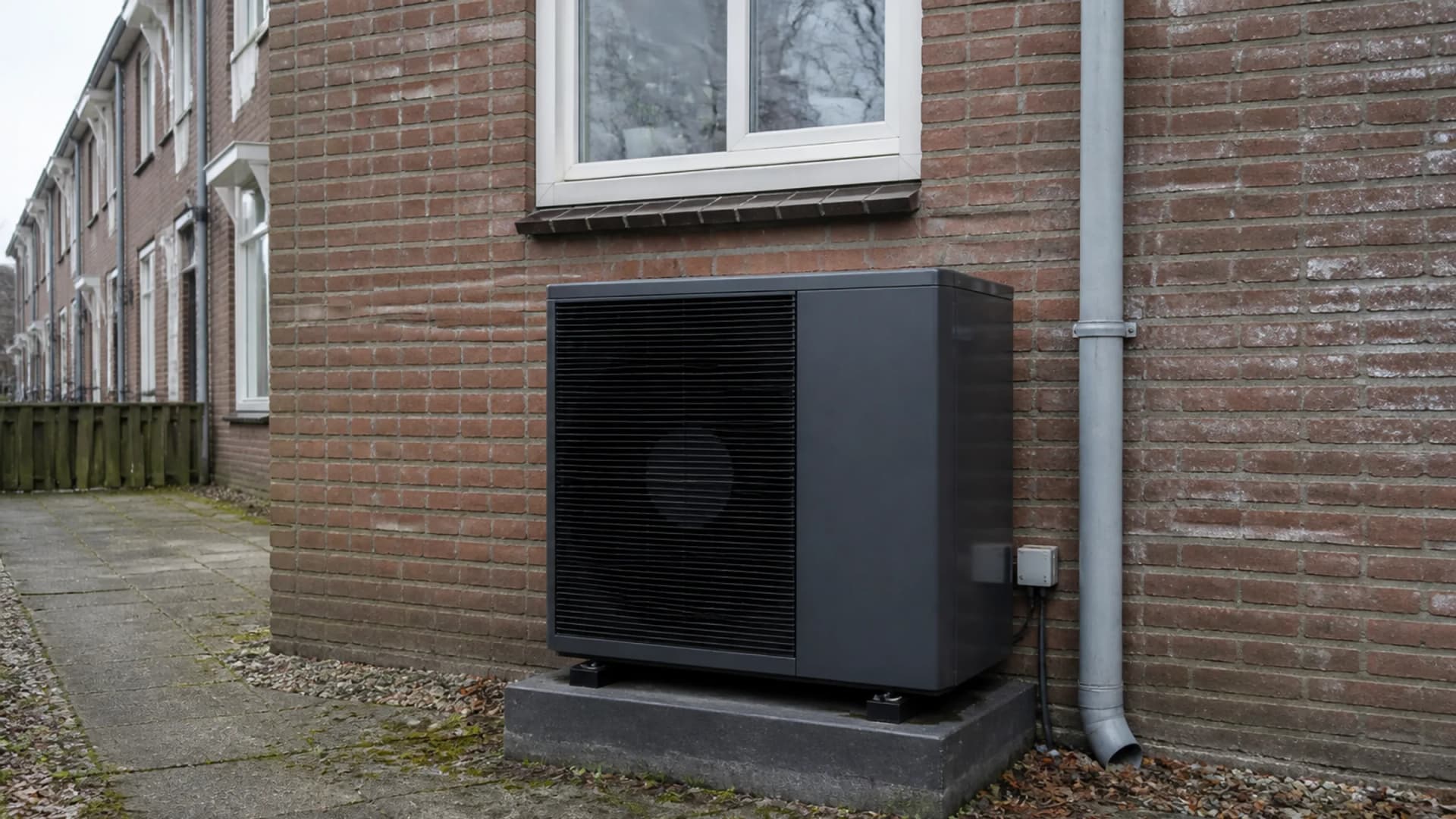
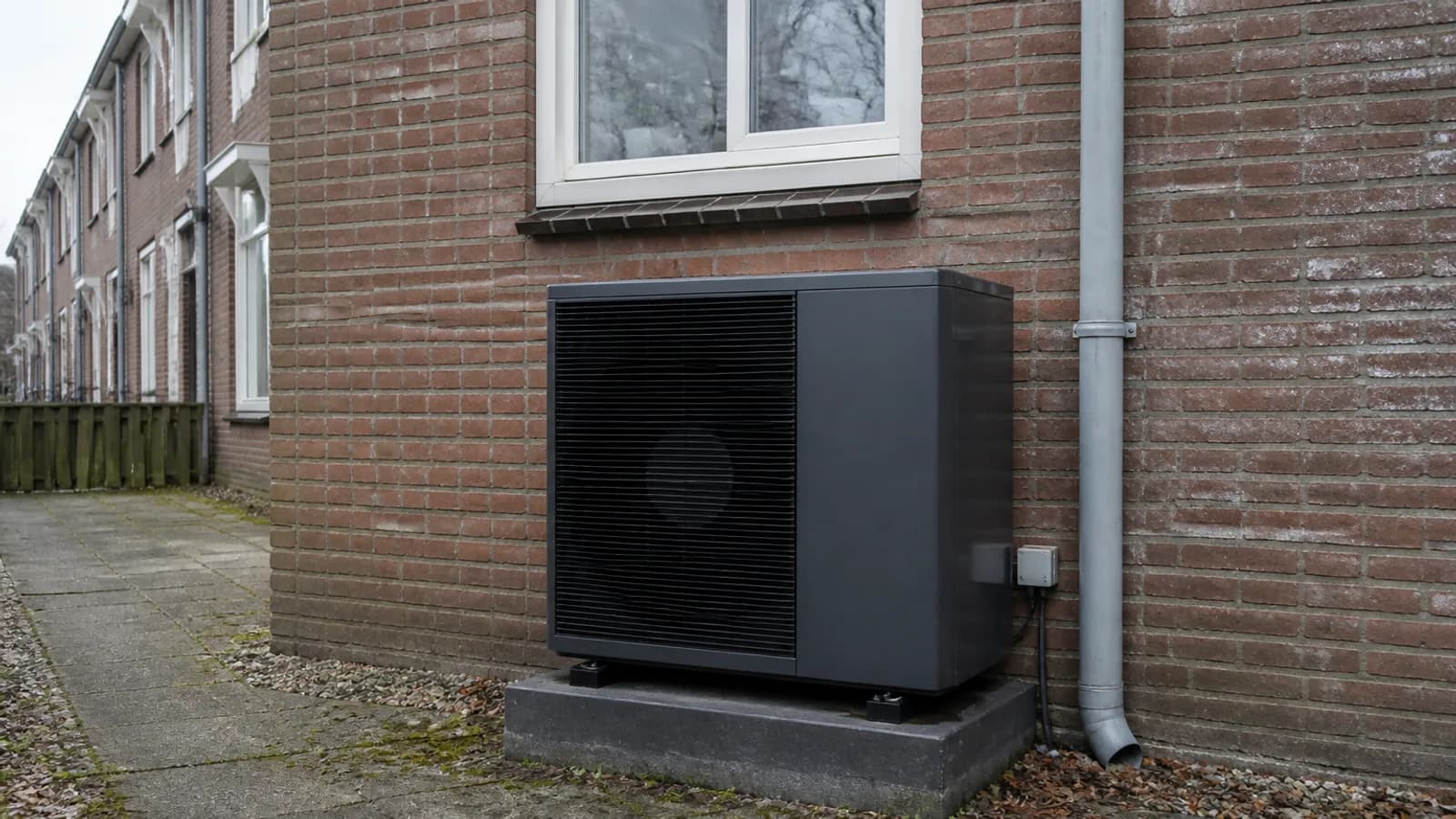
With air-to-water, the heat goes into a water circuit: your radiators, your underfloor heating and a storage tank for hot tap water. That way the system takes over the role of your gas boiler, partly (hybrid) or entirely (all-electric). Which is exactly why the two are hard to compare on price alone: they solve a different question.
Tap water, coverage and cooling side by side
The overview below sums up the practical differences. Watch the rows on tap water and coverage in particular: they decide whether a system can truly replace your boiler or stays alongside it.
| Air-to-air (AC unit) | Air-to-water | |
|---|---|---|
| Releases heat into | The air, per room | Water: radiators or underfloor heating |
| Hot tap water | No, boiler still needed | Yes, via a storage tank |
| Heating the whole home | Only with multiple indoor units | Yes, via the central heating system |
| Cooling in summer | Yes, fully | Mild at best, via underfloor heating |
| ISDE subsidy | No | Yes, hybrid included |
| Replacing the gas boiler | No | Partly (hybrid) or fully (all-electric) |
Air-to-air heat pumps are excluded (Dutch); air-to-water, hybrid included, is in.
Subsidy: the financial gap is real
For an air-to-water heat pump, hybrid or all-electric, you can apply for the Dutch ISDE subsidy. For an air-to-air heat pump you cannot: air-to-air heat pumps are excluded (Dutch). How to apply for air-to-water is in heat pump subsidy; a first indication is in the ISDE check. That missing subsidy makes the price gap between the two routes smaller than the bare purchase prices suggest.
We deliberately leave out amounts: they change per year and are published by RVO and in your quote. When you calculate an air-to-water system, look at the whole picture: unit, installation work, possibly a storage tank, minus subsidy, set against what you save on gas.
Cooling: where the AC unit truly wins
If summer cooling matters as much as winter heating, the air-to-air heat pump plays a home game. Cooling is its original profession: the same indoor unit that blows warm air in January cools a bedroom or office noticeably within minutes in July.
An air-to-water system can sometimes cool too, but gently: through the underfloor heating the floor gets a few degrees cooler, which feels pleasant on hot days but does not replace an AC unit. People who want both regularly end up with a combination: air-to-water for heating and tap water, and a separate AC unit for the attic or bedroom.
When to pick which? How SolarFast advises
If you want to make your whole home sustainable and eventually get off gas, air-to-water is the route. The follow-up choice, hybrid next to your boiler or straight to all-electric, mainly depends on your insulation and heat delivery; that trade-off is covered in hybrid vs all-electric and the insulation requirements in insulation and heat pumps.
If it concerns one room, an apartment without space for heating system changes, an attic office or a home where cooling weighs heavily, an air-to-air system can be the smarter choice. We install both air-to-water heat pumps and fixed air conditioners, and we will say so honestly when one route fits better than the other. Put your situation to us, read on on our air conditioning page or on our heat pump page.
Verdict
The air-to-air heat pump is an excellent room heater and the better cooler of the two, but it makes no hot water and does not replace your boiler. The air-to-water heat pump is the route to a home heated (partly or fully) without gas, with subsidy to back it up. So do not choose on price, but on the question you want to solve: making one room comfortable, or heating your whole home differently.
Solar panels are still a smart investment in 2026. A few things matter if you want the most from your own power.
Your energy use
Planning to drive, cook or heat electrically? Factor that into how many panels you install now.
Spread the yield
Spread panels across roof faces so you generate through the day and use more of your own energy.
Your data
Choose a system with its own 4G connection and data storage in Europe so your information stays secure.
Boost your energy
A smart home battery stores today's power for later, so you use more of your own electricity after sunset.

We install your heat pump
Usually within a few weeks. Our installers fit the heat pump and calmly explain how it works.
- Use structurally less gas
- Comfort all year round
Frequently asked questions
Yes, in practice it is: every fixed AC unit with a heating mode is technically an air-to-air heat pump. It harvests heat from outside air and blows it into a room as warm air, and in summer the same process runs in reverse as cooling.
Only with an indoor unit in every room that needs heating, and even then you need a separate solution for hot tap water. For a whole home, an air-to-water system on your central heating circuit is usually more practical.
No. Air-to-air falls outside ISDE. For air-to-water, hybrid and all-electric, you can apply. The steps are in heat pump subsidy; start with the ISDE check.
Yes. Even in frost there is heat in the outside air for the system to harvest. Efficiency does drop as it gets colder, so in severe cold the same unit delivers less heat per kilowatt-hour of power.
Via a storage tank: the heat pump heats a tank of tap water, so a supply is ready for shower and kitchen. In a hybrid setup the gas boiler keeps doing the tap water.
Some systems can cool mildly through the underfloor heating: the floor gets a few degrees cooler. That softens a hot day, but it is no match for the cooling of an AC unit.
Both move heat rather than make it, so they deliver more heat than the power they use. Which works out more efficient depends on the job: heating one room is something an air-to-air does very efficiently, heating a whole home is the work of an air-to-water system.
No, we install air-to-water heat pumps, hybrid and all-electric. If an air-to-air system fits your question better, say for one room or mainly cooling, we tell you so honestly in the advice conversation.

Discover what smart energy can do for you
In about an hour you get insight into your savings, the options for your home and when the investment pays back. Straightforward, honest advice so you know exactly where you stand.
Smart energy at home
- Upgrade your home with our smart battery
- Our solar panels deliver up to 25% more energy
- A heat pump to minimise your energy use
- Charge your electric car easily at home with an EV charger
Booking an advice call is easy
Fill in your details below. Within a day we will contact you to schedule a no-obligation advice call together.
Related articles