
Heat pump subsidy 2026: what ISDE pays this year
Posted on 5 min read
ISDE 2026 for an air-to-water heat pump: 1,025 euro start amount, 225 euro per kW, 200 euro label bonus. Applications have been open since 5 January 12:00.
All articles
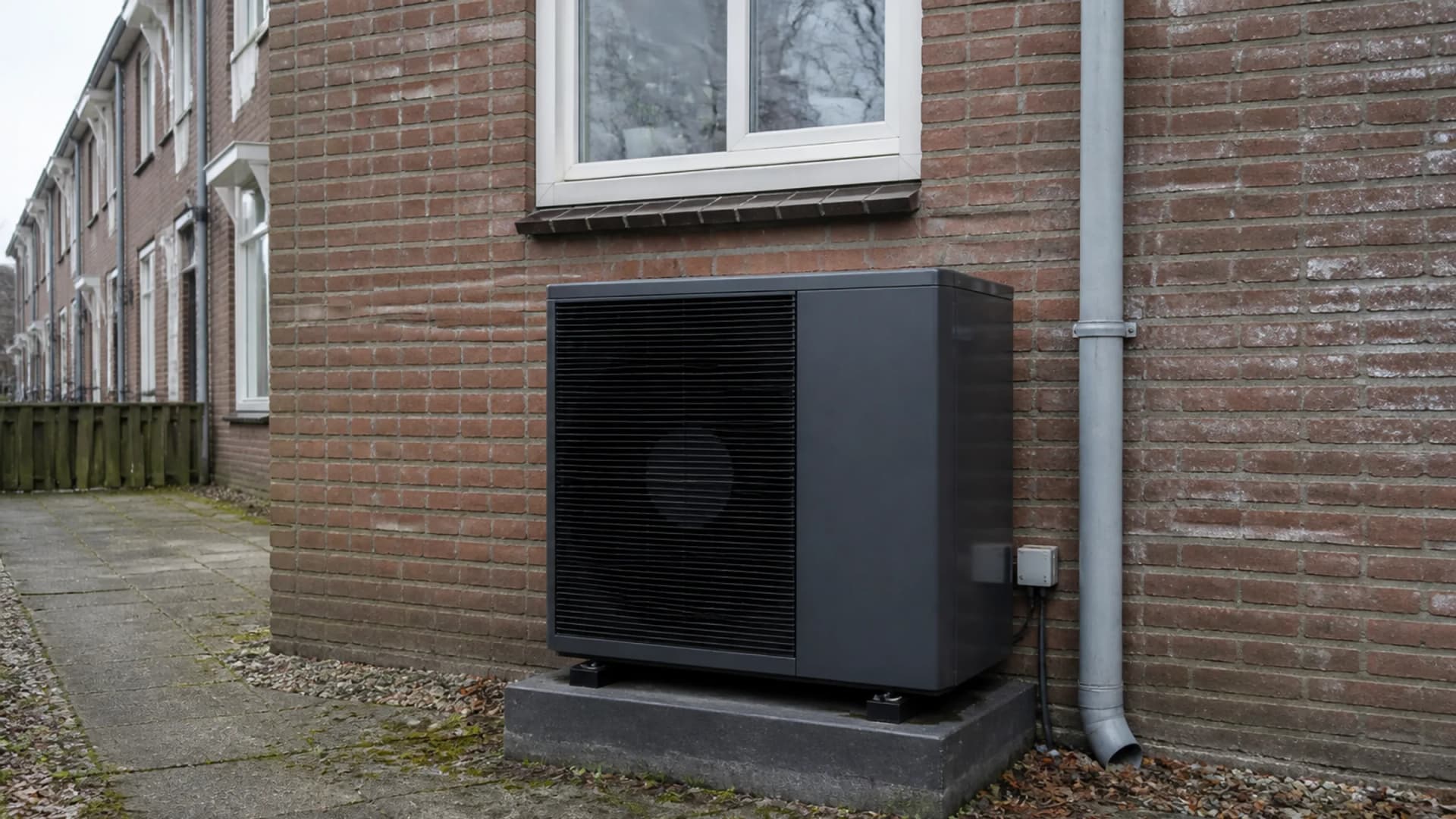
ISDE for an air-to-water heat pump is built differently this year. The start amount is lower, you get the per-kW sum from the first kW, and a second air-to-water unit in the same year no longer gets a start amount or a label bonus. This article is the 2026 year guide, with the amounts as they currently stand on the official pages. How you fill in the form, which papers you keep and what happens if your type is not on the list, lives in the evergreen knowledge-base guide on heat pump subsidy. Want a first sense of whether the fund fits your situation? Take the ISDE check.
When you can apply in 2026
 Heat pump
Applications for 2026 have been open since 5 January 2026, 12:00 (Dutch). Draft applications from 2025 were removed on 1 January. The form was renewed, so you cannot reuse an old draft.
The steps themselves have not changed: install first, then file, within 24 months, with DigiD. That order stays in the knowledge base. Below is only what changed this year in the amounts and product rules.
Who can apply in 2026
The home desk is for owner-occupiers (Dutch): you own the home and you live in it. Renting falls outside this route. The landlord may have another desk; we do not cover that here.
The unit is new, meant for space heating or hot tap water, and fitted by a building-installation firm. Doing it yourself does not count. The home was built before 1 January 2019 (Dutch), or the environmental permit was applied for before 1 July 2018. Newer homes fall outside this homeowner scheme.
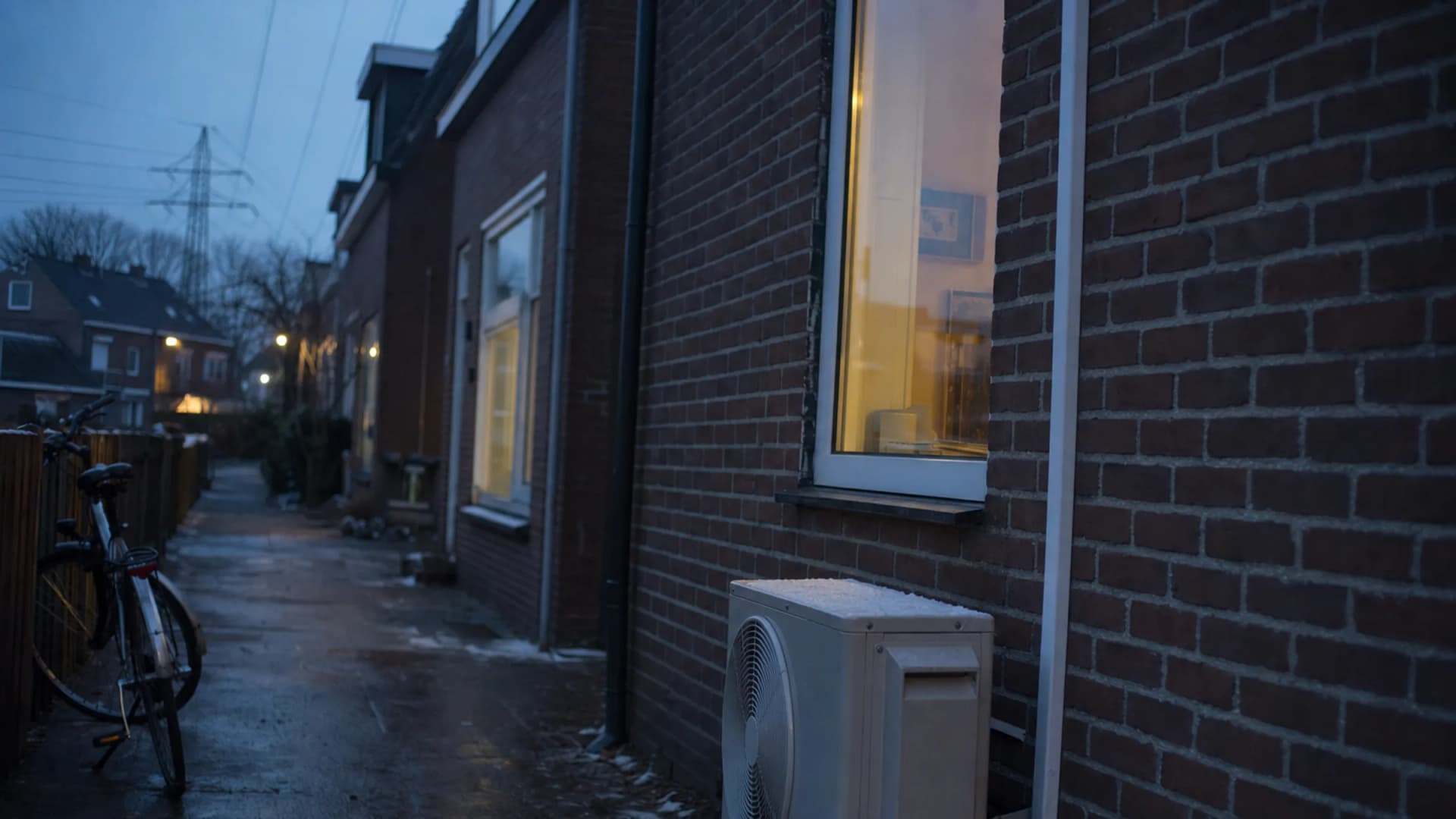
Air-to-air, an air conditioner that blows warm air, stays outside the fund (Dutch). For air-to-water, hybrid or all-electric, you can apply. Whether your situation roughly fits is in the ISDE check.
First air-to-water heat pump: start, kilowatt and label
For your first air-to-water heat pump in 2026 you get a start amount of 1,025 euros (Dutch) (it was 1,250). On top of that comes 225 euros per kW, from the first kilowatt. Last year that per-kW top-up only counted from the second kW. If the unit reaches A+++, a 200 euro label bonus is added.
| Part | First unit | Second or further |
|---|---|---|
| Start amount | 1,025 euros (was 1,250) | none |
| Per kW | 225 euros, from the first kW | only 225 euros per kW |
| Label bonus | 200 euros at A+++ | none |
| Example 4 kW A+++ | 2,125 euros | 900 euros |
Minimum 500 euros if the application is granted. Official worked example, not a quote.
An official example: a first air-to-water unit with A+++ and 4 kW is 1,025 + 4 × 225 + 200 = 2,125 euros. That is a worked example, not a quote. Your type, capacity and whether it really is your first air-to-water unit decide the amount in the application.
For a (hybrid) heat pump you always receive at least 500 euros (Dutch) if the application is granted. Heat-pump boilers, ground-to-water and water-to-water keep the same 2025 structure in 2026.
If you bought a heat pump in 2024 and only install it in 2025 or 2026, proof of that purchase can open the higher 2024 amount (Dutch). That is a transitional rule, not the standard route.
A second air-to-water unit this year
If you install a second or further air-to-water heat pump in 2026, you get only 225 euros per kW (Dutch). No start amount, no label bonus. That also applies if the first unit already received subsidy in 2025 or earlier. Add another 4 kW unit and the example is 4 × 225 = 900 euros, not another 2,125.
If you already had a second air-to-water unit installed in 2024 or 2025 and apply for it in 2026, the old amounts of the installation year apply.
Split units with a high GWP fall outside the fund
From 2026 there is no subsidy for split air-to-water heat pumps with a refrigerant charge below 3 kilograms and a GWP above 750 (Dutch). That follows from European greenhouse-gas rules, not from an extra Dutch cut. In the quote we check whether the type we propose falls outside that line.
What this year guide does not cover
ISDE covers more than heat pumps: insulation, ventilation (new in 2026, only combined with insulation), solar water heaters, a heat-network connection. We do not build those how-to pages here. The current list is on the homeowner page (Dutch). The heat-pump notification-code list is updated monthly; you cannot derive rights from that download (Dutch).
The eLoket steps, the 8-week decision and what you do if your type is not on the list stay in the knowledge base. This article sticks to the 2026 amounts.
Conclusion
The 2026 position in brief: a lower start amount, a per-kW top-up from the first kW, no start or bonus on a second air-to-water unit, and a hard line for some split units. In the quote we calculate with the type that fits your home, not with the 4 kW example. We do not file the subsidy for you. The notification code is on page 5 of the quote.
Want to know which unit fits your home and which notification code belongs with it? See the heat pump page or start with the ISDE check.
Read more
- RVO: ISDE changes from 2026 (application start, start amount, kW top-up, second unit, GWP limit, Dutch)
- RVO: ISDE heat pump for homeowners (500 euro minimum, documents, 2024 transition, Dutch)
- RVO: ISDE for homeowners (owner-occupier, 24 months, 8 weeks, eLoket, Dutch)
- RVO: ISDE notification-code lists (air-to-air excluded, monthly Excel, no rights from the download, Dutch)
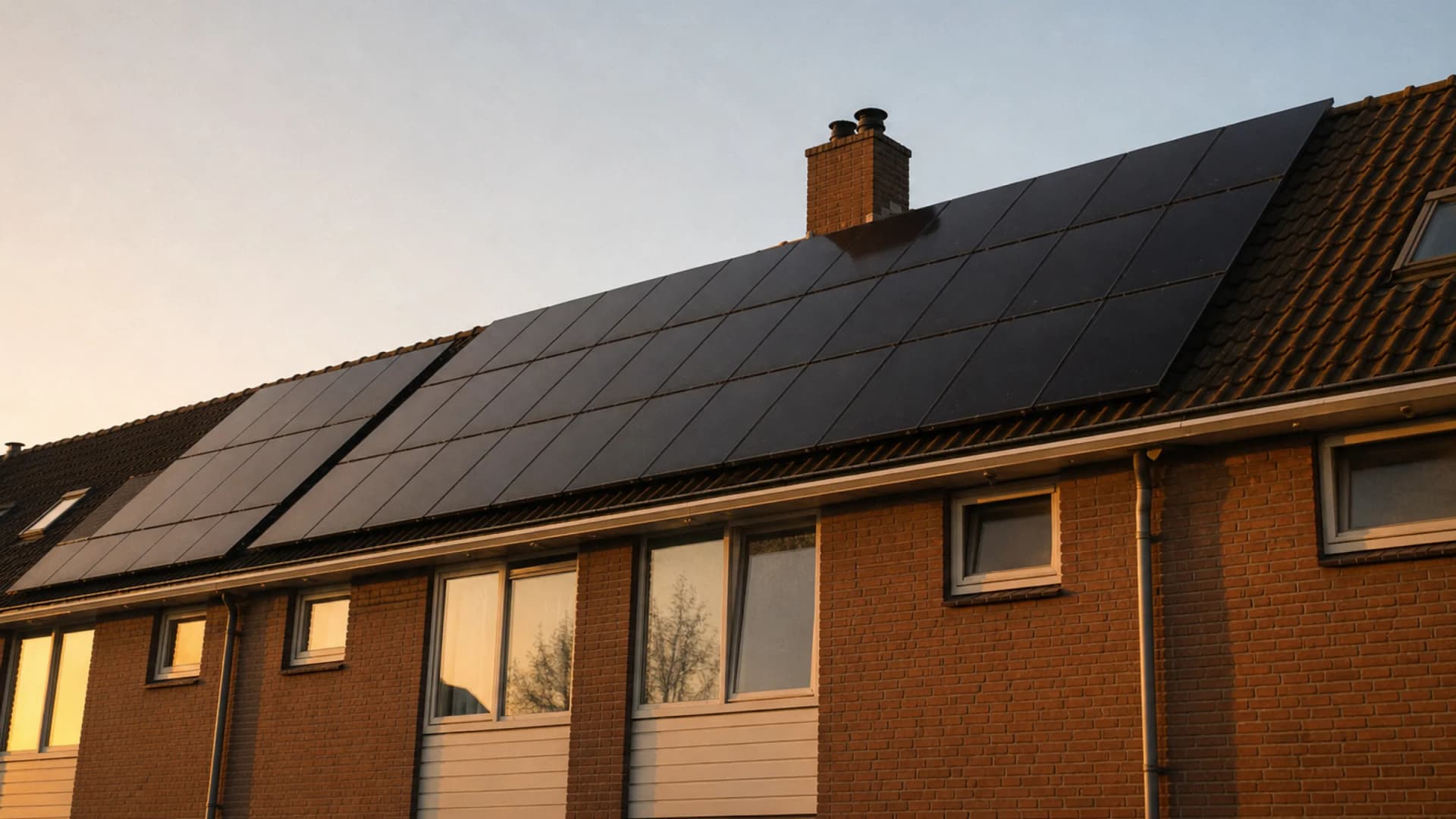
Solar panels are still a smart investment in 2026. A few things matter if you want the most from your own power.
Your energy use
Planning to drive, cook or heat electrically? Factor that into how many panels you install now.
Spread the yield
Spread panels across roof faces so you generate through the day and use more of your own energy.
Your data
Choose a system with its own 4G connection and data storage in Europe so your information stays secure.
Boost your energy
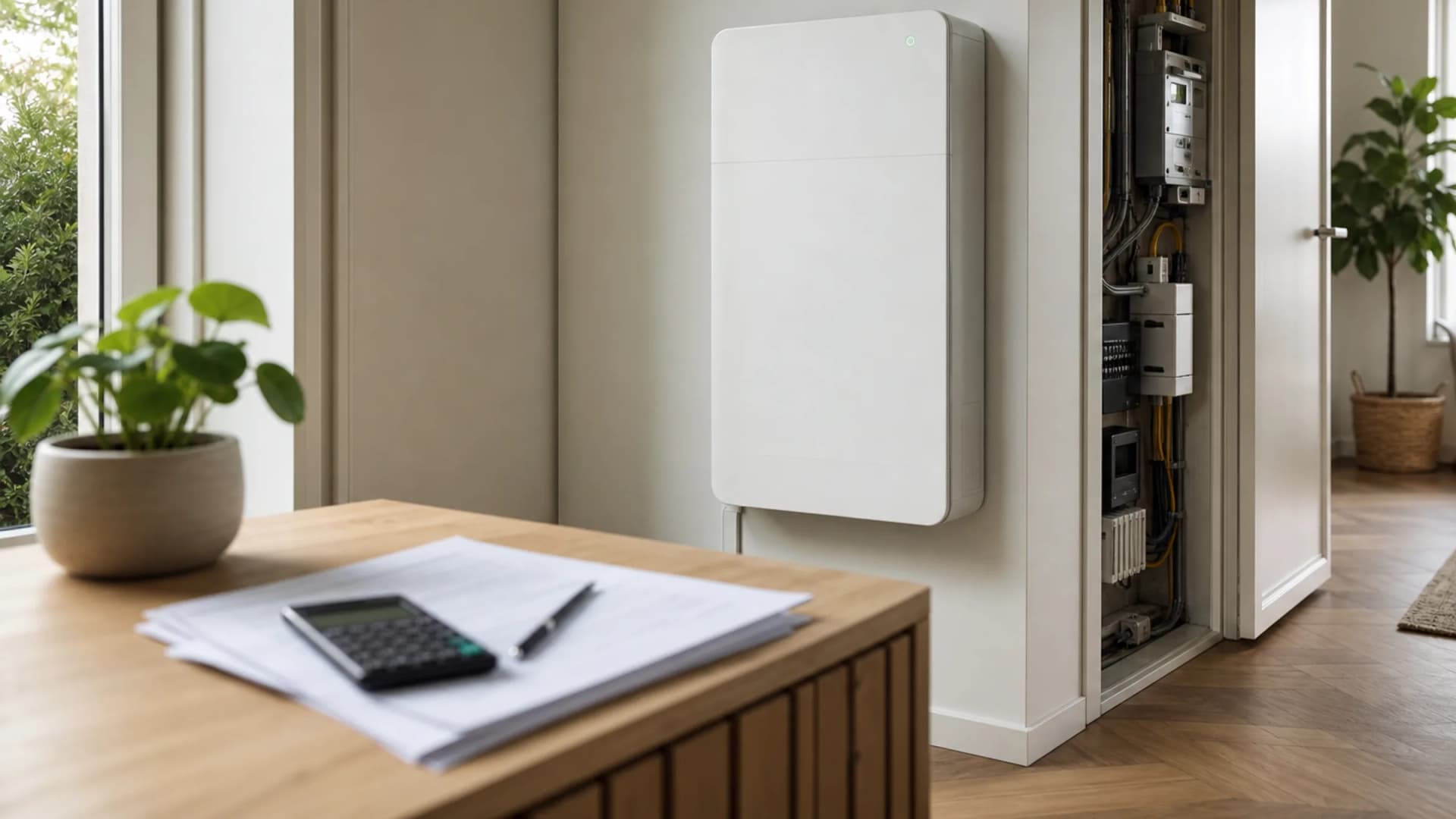
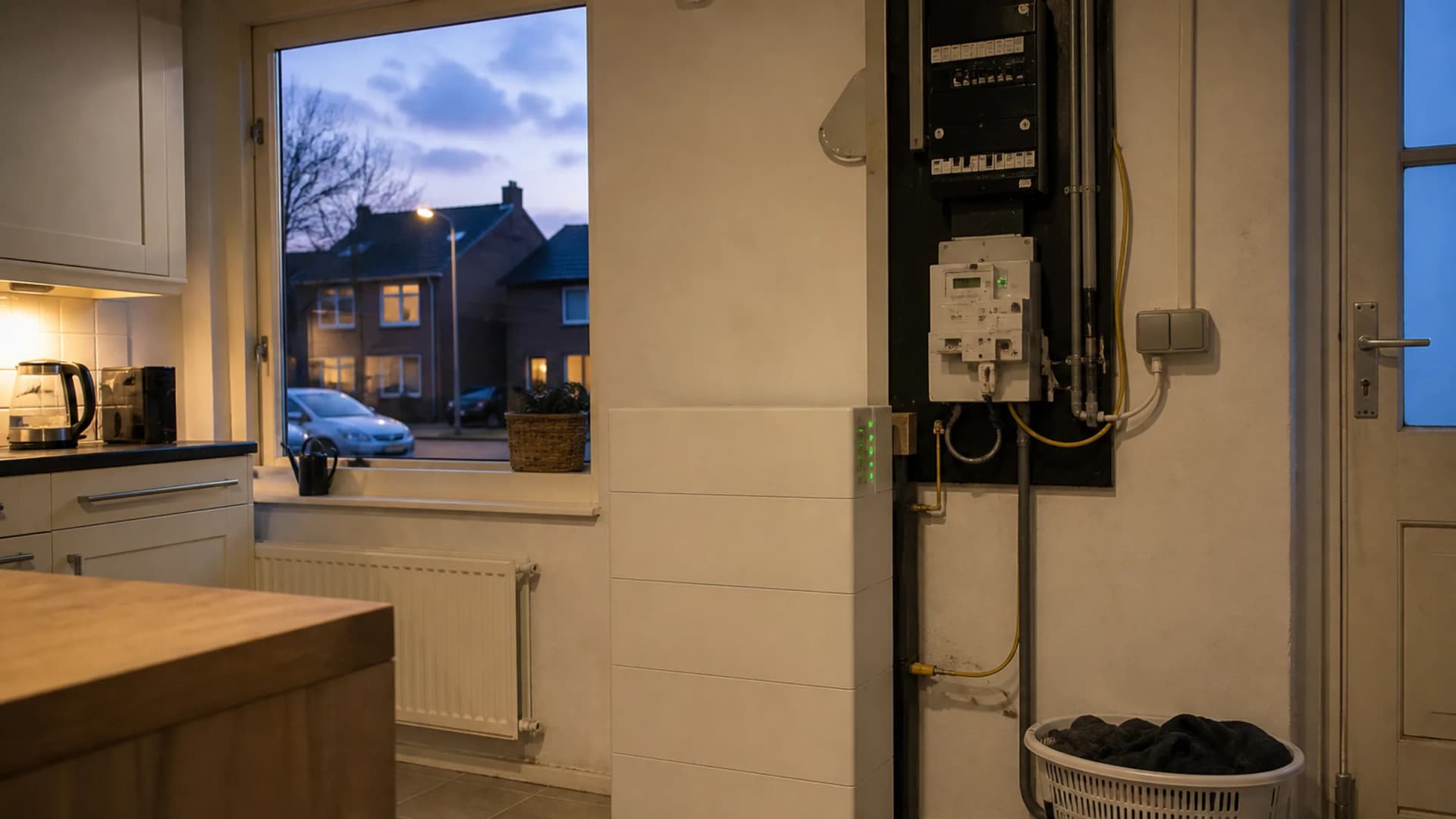
A smart home battery stores today's power for later, so you use more of your own electricity after sunset.

We install your heat pump
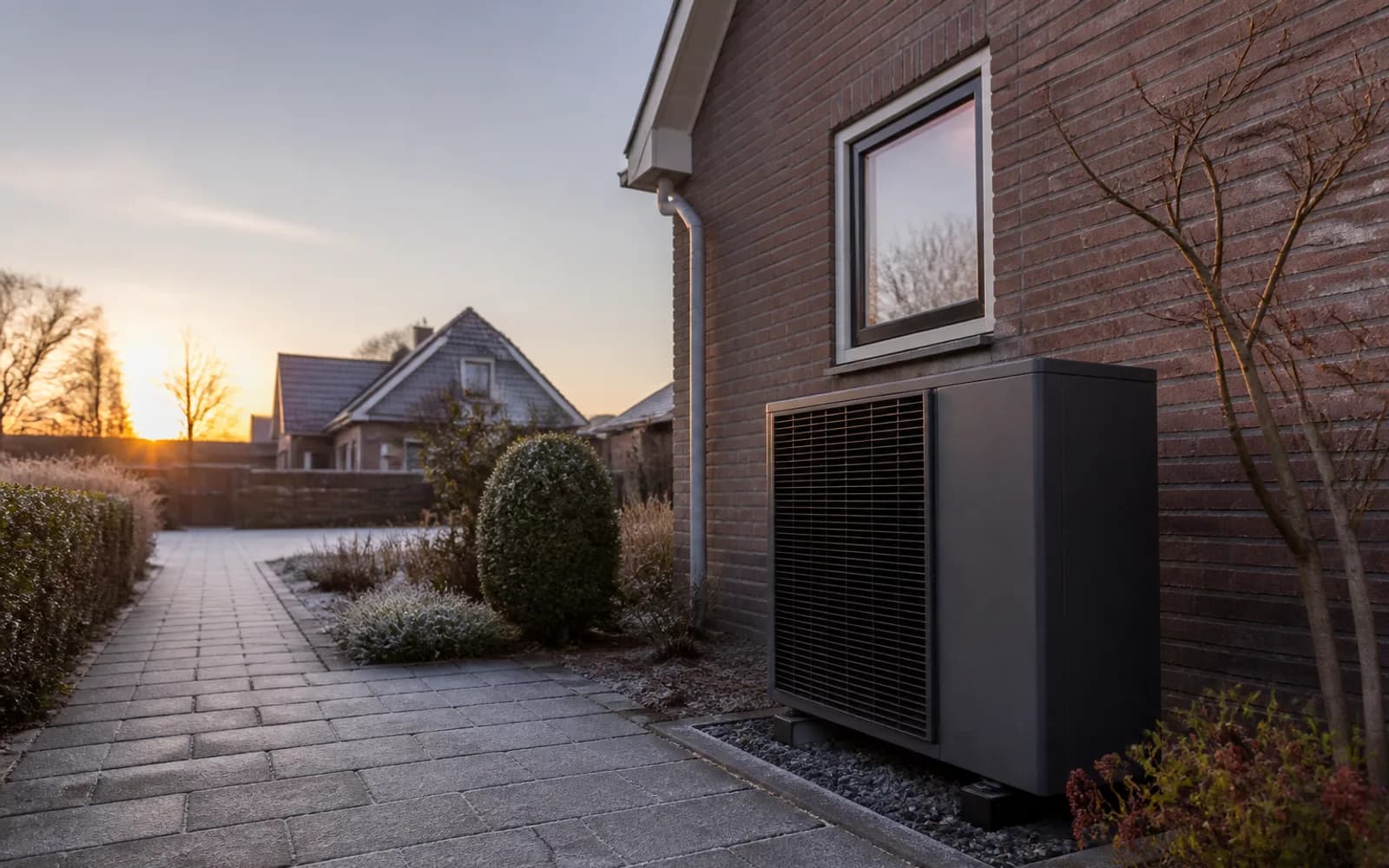
Usually within a few weeks. Our installers fit the heat pump and calmly explain how it works.
- Use structurally less gas
- Comfort all year round

Discover what smart energy can do for you
In about an hour you get insight into your savings, the options for your home and when the investment pays back. Straightforward, honest advice so you know exactly where you stand.
Smart energy at home
- Upgrade your home with our smart battery
- Our solar panels deliver up to 25% more energy
- A heat pump to minimise your energy use
- Charge your electric car easily at home with an EV charger
Booking an advice call is easy
Fill in your details below. Within a day we will contact you to schedule a no-obligation advice call together.
Related articles