Keep energy for later
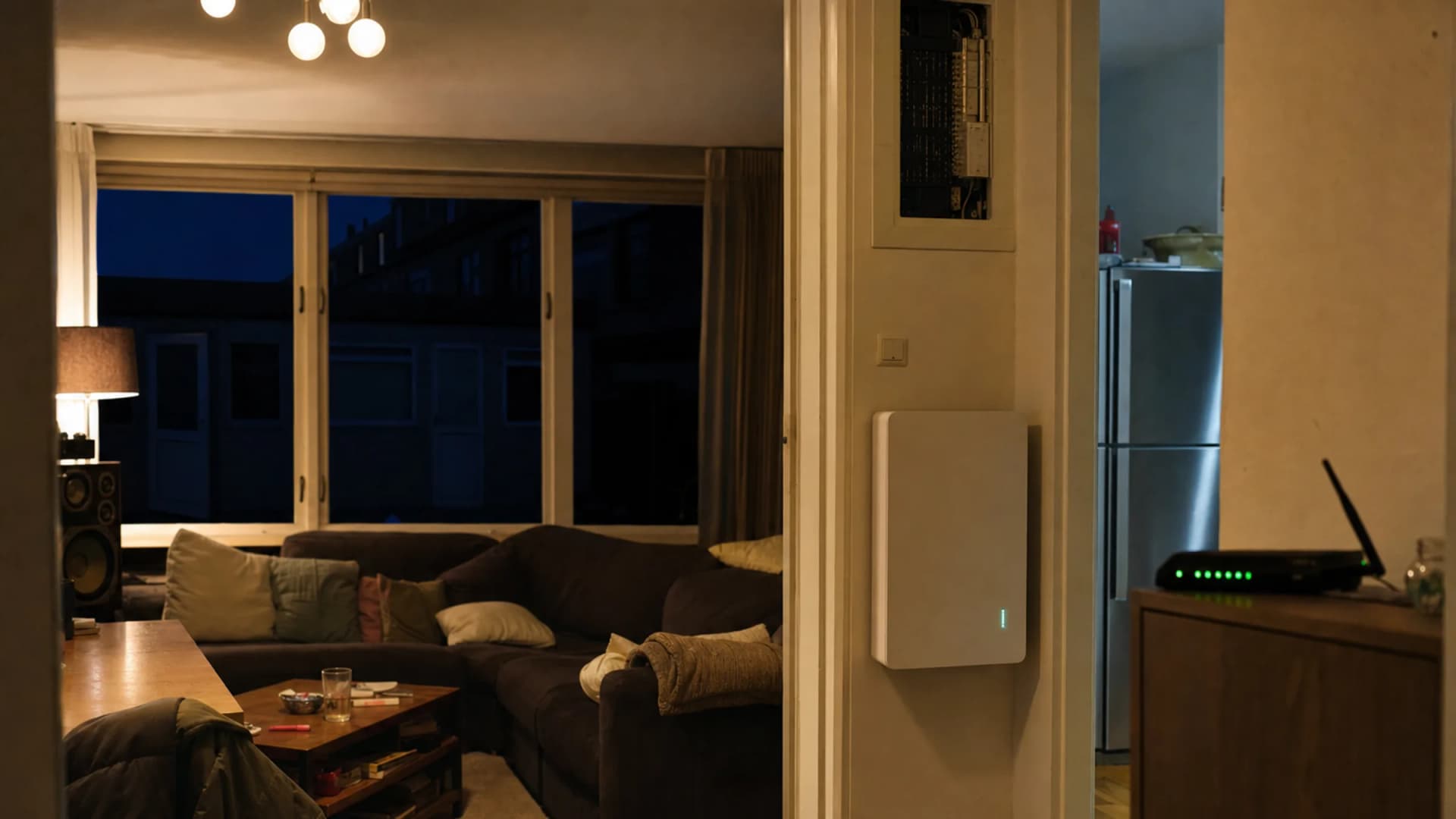
Use stored energy when your home needs it.

Leave your details for an advice call. We will look at what suits your home and needs together, with no obligation.
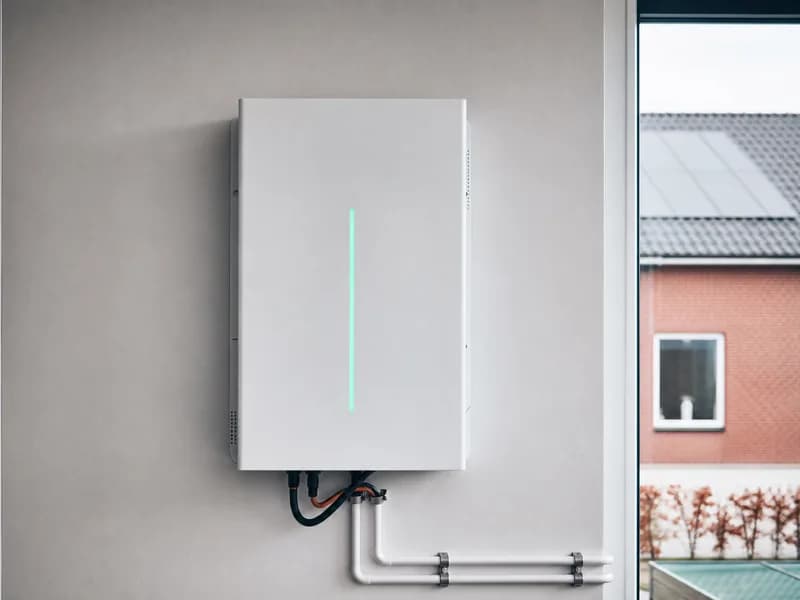
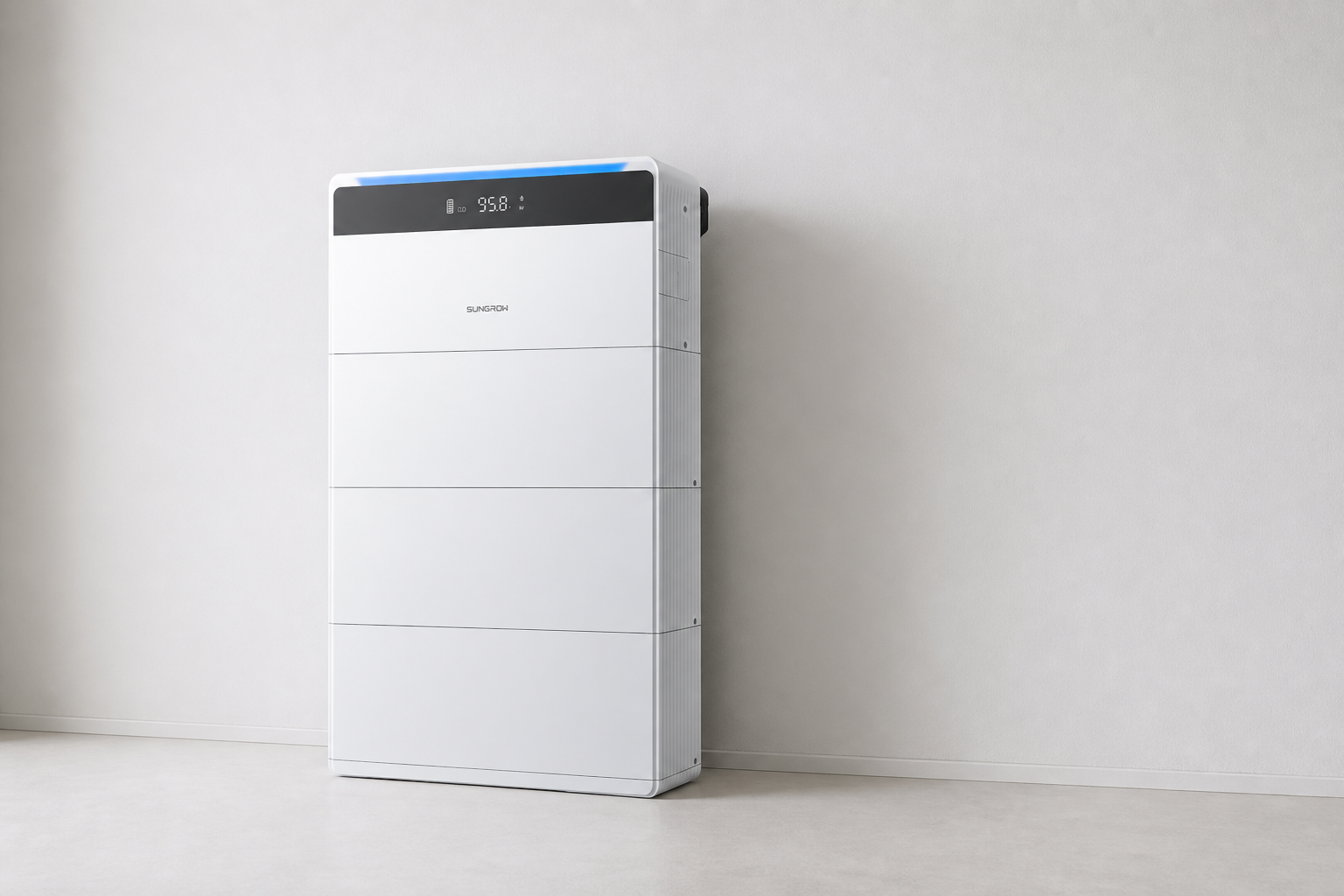
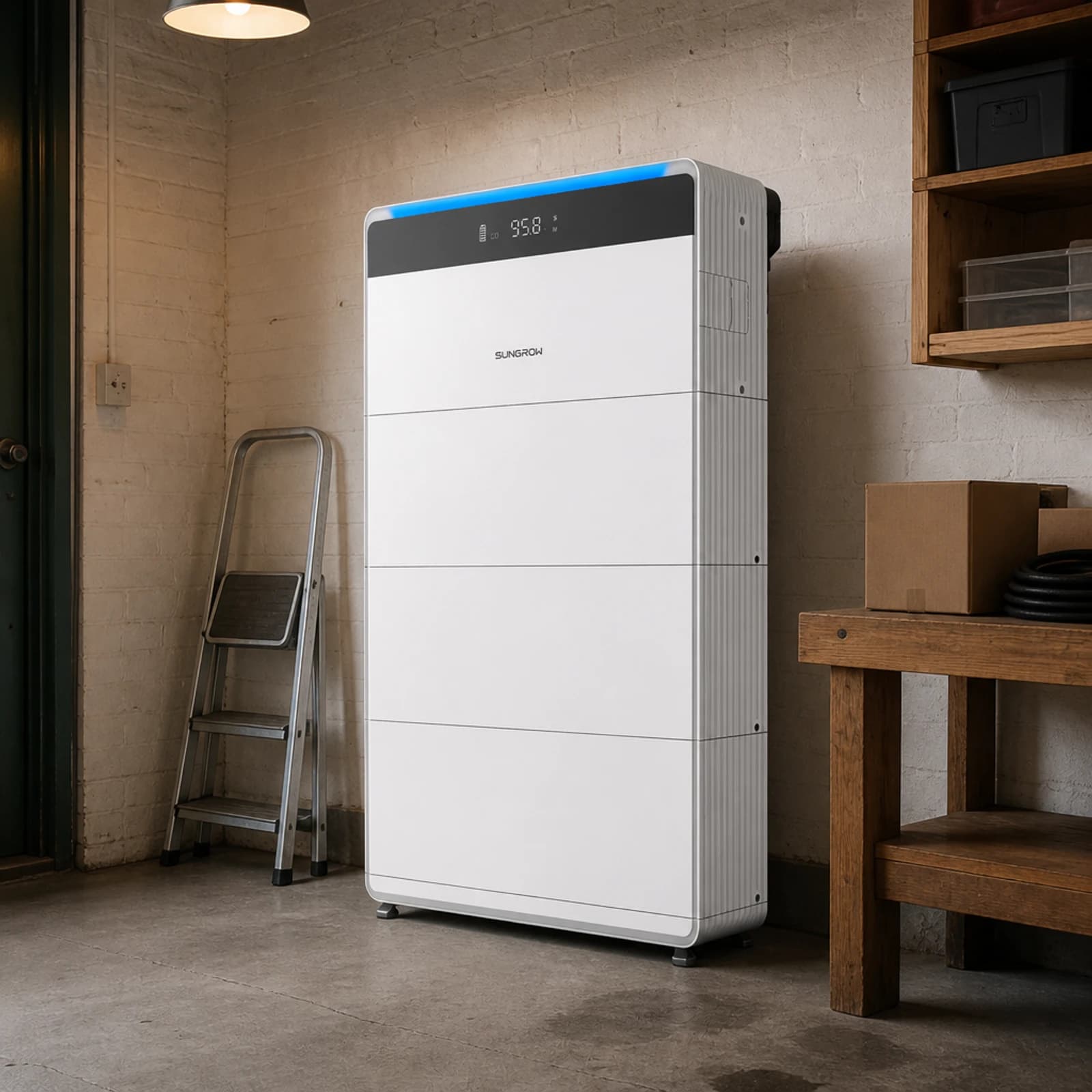
Sungrow PowerHarbor brings battery storage, a hybrid inverter and smart energy management together in one modular system. Store solar energy for later, match it to different moments of the day, and follow in software what happens with energy in your home. Sungrow announces power ratings of 10 to 30 kW and a battery build-up from 6 up to 120 kWh. We install 6, 9 and 10 kWh, or a stack of 15 kWh (6+9) or 20 kWh (two times 10).
Your solar panels produce most power when the sun is out. In the morning, in the evening, or at other times your home can ask for more energy. With a home battery you keep energy for a later moment. That is a smarter mix of panels, home, battery and the grid.
More kWh is not automatically better. A battery has to match your use, panels, when you use energy, your connection, an EV or heat pump if you have one, your contract and what you want the battery to do. We do not start with how large we can go. We start with which size fits your home.
Use stored energy when your home needs it.
A surplus does not have to go straight to the grid.
With iHomeManager Mini, PowerHarbor can steer with expected generation, use and weather information.
The modular pack makes different storage sizes possible. Start with what fits now.

We first map your situation: what you generate and when you use energy. Then we pick power and capacity, not automatically the largest pack. We fit PowerHarbor by your fuse box, set the system up, and enable EnergyBridge only when outage cover is in the order. After handover you can follow how it works in the software.
These are the sizes we install for PowerHarbor. 15 kWh is 6 plus 9, 20 kWh is two 10 kWh modules. Sungrow lets the system grow to 120 kWh. That is the ceiling, not our default size in a home.
| Capacity | Line | Connection | Backup | Steering |
|---|---|---|---|---|
| 6 kWh | ALL-IN | Three-phase | Yes | No default link |
| 9 kWh | ALL-IN | Three-phase | Yes | No default link |
| 10 kWh | ALL-IN | Three-phase | Yes | No default link |
| 15 kWhTypical stack of 6 + 9 kWh | ALL-IN | Three-phase | Yes | No default link |
| 20 kWhTypical stack of 2 x 10 kWh | ALL-IN | Three-phase | Yes | No default link |
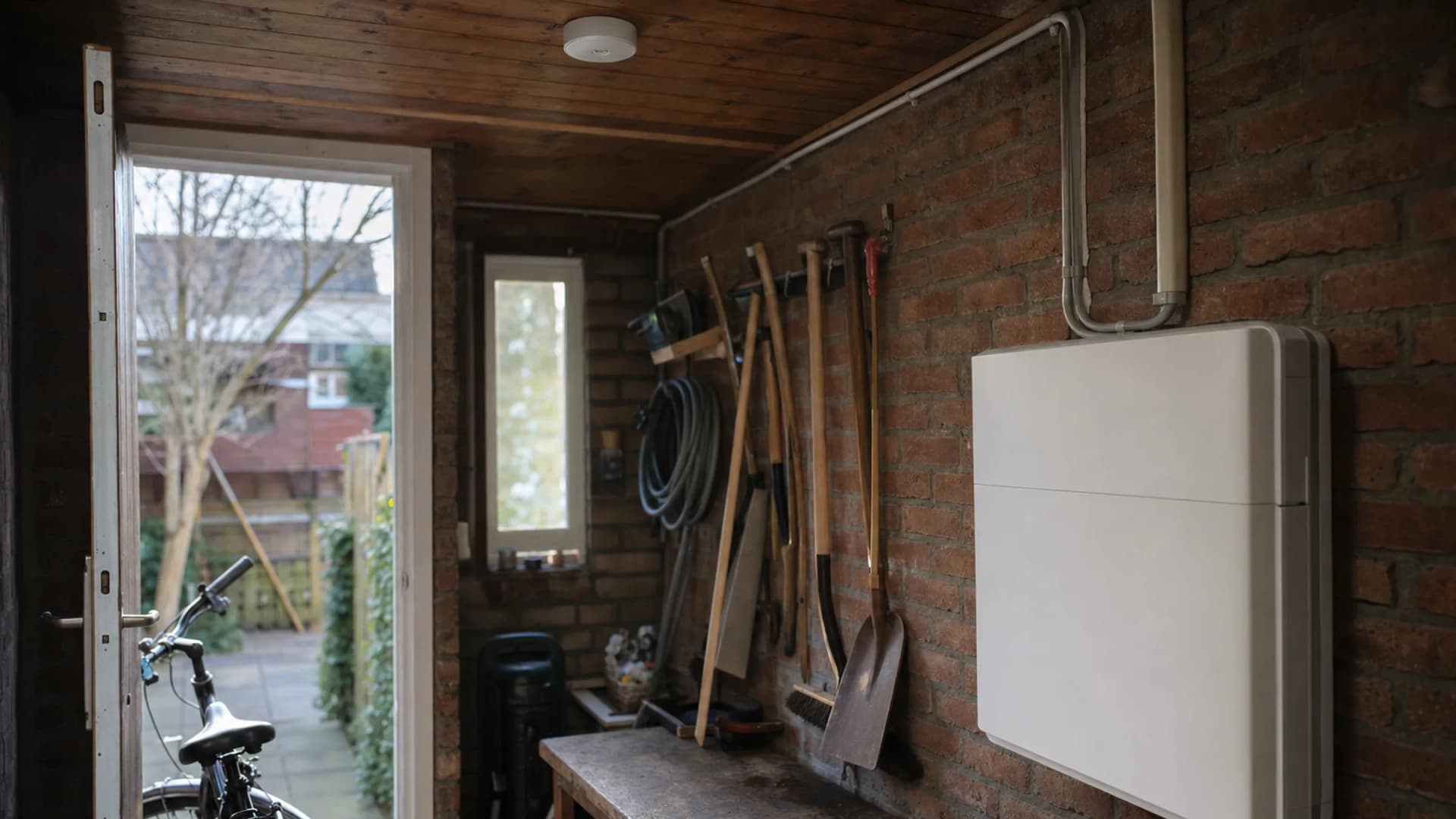
PowerHarbor is all-in-one: battery modules, hybrid inverter and smart energy management belong to the same system. Modules sit between 6 and 10 kWh. The tower can reach 120 kWh. Power ratings from 10 to 30 kW sit in the same launch.
With iHomeManager Mini Sungrow can combine weather, expected solar and use as input for steering. Outage cover runs through EnergyBridge, a compact backup kit at the fuse box. Battery, management and backup are not afterthoughts.
All-in-one in one system
Battery modules of 6 to 10 kWh in the tower
Hybrid inverter belongs to the same system
EnergyBridge when outage cover is in the order
During the day your home uses the solar that is there. What you do not need then, the home battery can keep for later. In the evening, when the panels do less, that stored power can go back to the house.
With a suitable setting, the moment you buy from the grid can be part of the strategy, including on a dynamic contract. We do not treat a direct Frank Energie link as the default. During an outage EnergyBridge feeds the circuits we connect. That is not a promise the whole house always keeps running.
From solar now to later
By day your home uses the solar that is there
What you do not need can go into the battery
In the evening that power can go back to the house
A battery that only charges and discharges on a fixed clock uses only part of the information. If the system knows a sunny day is coming, that can lead to other choices than a dark day. Sungrow names that input (weather, expected solar, expected use) with iHomeManager Mini.
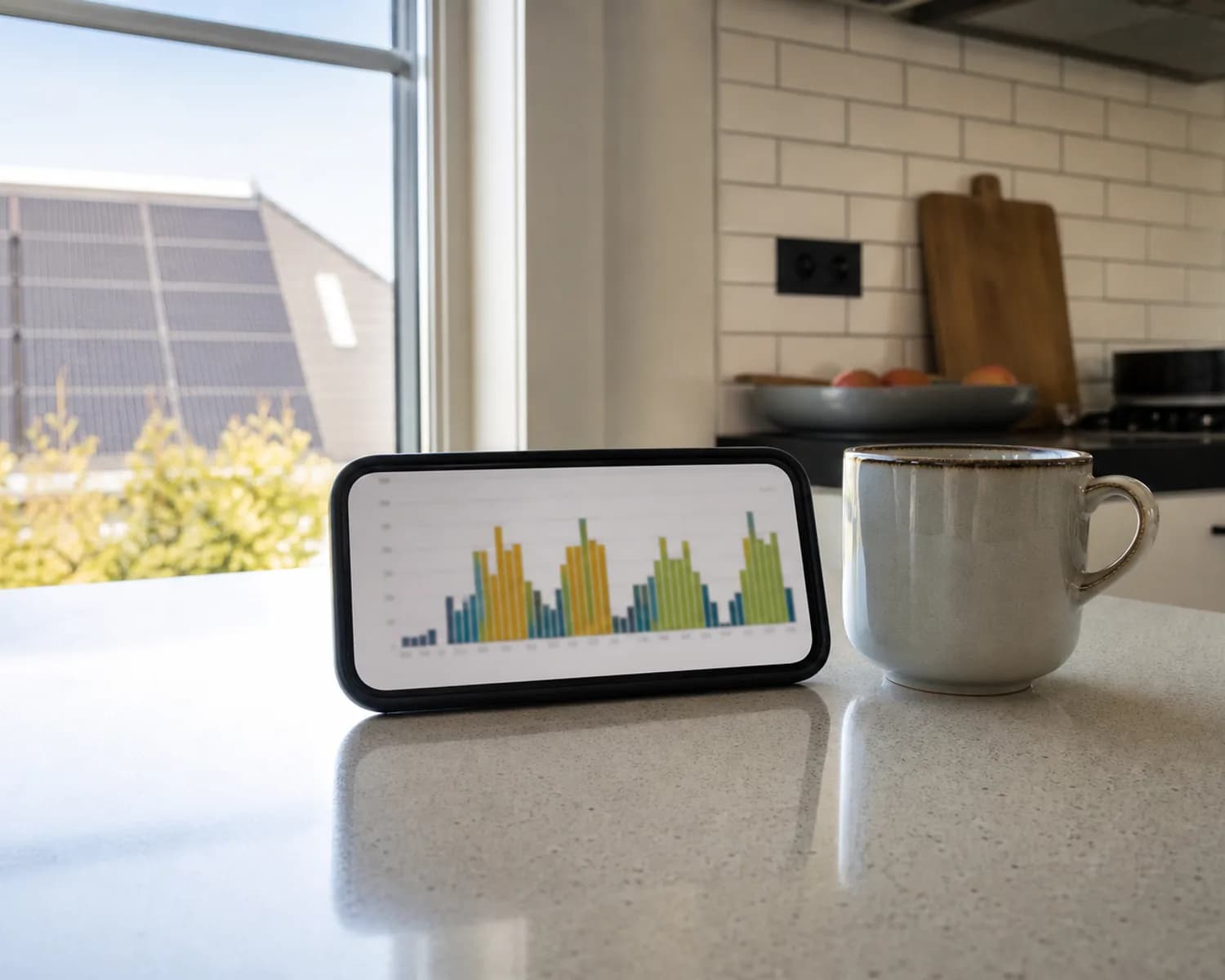
In iSolarCloud you see how full the battery is, where energy comes from and where it goes. That is Sungrow's environment, not a SolarFast app. Sungrow also names cooperation with Shelly. Not every appliance is steered automatically. That depends on the configuration.
Outage cover runs through EnergyBridge. Sungrow puts changeover, protection, energy metering, bypass and current sensing via a CT in one compact unit. During an outage it feeds the circuits we connect.
The question that counts: which appliances keep running when the grid drops? A fridge and lights ask something else than a home with a heat pump, induction hob and EV. How backup power works in your fuse box is set in the order.
Sungrow names 6 to 10 kWh modules and a tower up to 120 kWh. You can mix those sizes. In our range we size 6, 9 and 10 kWh, plus 15 kWh (6+9) and 20 kWh (two times 10).
120 kWh is the system ceiling, not what we typically put in a home. Power ratings from 10 to 30 kW sit in the same launch. Which rating fits your fuse box is assessed on site. We install PowerHarbor on three-phase. On single-phase you look at KStar ALL-IN or HyxiPower.
In a three-phase home each phase does not use the same current at every moment. Sungrow gives PowerHarbor up to 150% unbalanced three-phase output. Your home does not need to use each phase exactly the same. The system is designed to live with that.
More homes get a heat pump, an EV or other large loads. How much power they ask for counts, and when they ask for it. PowerHarbor is designed as part of that wider energy system, not as a loose box next to the fuse box.
Sungrow describes protection from cell level, active fire suppression and a structure meant to contain internal incidents. On the PV side the maker names AFCI 3.0R for arc-fault detection. PowerHarbor is announced with IP66 and C5 corrosion resistance. Outdoor siting is only possible when the instructions and the spot allow it.
Models up to 15 kW stay below 35 dB(A) without a fan, per the launch. The thermal design is meant for repeated charge and discharge up to 50 °C, with heating down to -20 °C. Those are maker figures, not a promise about your shed or facade.
Maybe you do not drive electric yet. Maybe a heat pump comes later, or your solar array grows. Then it helps if your battery is not locked to one size forever.
Sungrow designed PowerHarbor as modular. Modules in the system can be combined, and newer modules next to existing ones, if the technical setup supports that. Whether adding modules in your home is possible is assessed on site. Choose what makes sense now. Leave room for what may change.
A well fitted home battery normally needs little periodic maintenance. There is no oil to change each year. SolarFast does not require a yearly maintenance contract for your home battery. Keep the install clean and clear, and glance now and then for anything odd. Software watches the rest.
If something breaks or a fault appears, that is service. SolarFast helps with the first assessment and the rest of the service path. We do not publish a fixed PowerHarbor warranty term for the Netherlands until that is confirmed for this product.
PowerHarbor is the line if you have three-phase and want all-in-one with outage cover, without a required Frank link. If you want single-phase, or outage cover up to 10 kW with a direct Frank link, look at KStar ALL-IN. No outage cover needed, then Dyness Tower S3 is often the plain choice.
The other trade-offs (size, phase, placement) sit in which home battery fits you.
The price depends on module size, whether EnergyBridge for outage cover is included, and installation at your fuse box. Request a quote and we size that mix for your home.
Sungrow gives a modular range from 6 to 120 kWh. We install 6, 9 and 10 kWh, or a stack of 15 or 20 kWh. Which setup fits your home depends on use, panels, connection and what you want the battery to do.
The series is announced with ratings from 10 to 30 kW. Which rating fits your fuse box is assessed on site.
Yes, the system is designed as modular. You can mix 6, 9 and 10 kWh modules. Whether adding modules in your home is possible is checked against the existing install.
That depends on your current install. Inverter and pack sit in the same tower. Existing panels are part of the survey. More on the inverter.
PowerHarbor is built for smart steering and Sungrow names dynamic tariffs as a use case. What is possible depends on the configuration, your supplier and available links. We do not treat a direct Frank Energie link as the default.
That is Sungrow's energy-management piece for PowerHarbor. The system can combine weather, expected solar and expected use as input for steering.
Sungrow uses iSolarCloud for monitoring and control. PowerHarbor is linked to that environment, not to a SolarFast app.
Yes, through EnergyBridge, when outage cover is in the order. It feeds the circuits we connect. That is not a promise of power in the whole house. More on how that works: backup power with a home battery.
A well fitted system normally needs little periodic maintenance. Keep the install clean and clear and watch for anything odd. Technical status is watched digitally.
No. SolarFast does not require you to pay yearly for a standard maintenance visit when that is not needed for the battery.
Then we talk about service. SolarFast can assess the situation and, where it applies, start the warranty or service path.
Sungrow states IP66 and C5 corrosion resistance. Siting must always follow the install instructions and the conditions on site.
Not as a default. How we steer it follows in the advice. We only set a direct Frank Energie link when that is confirmed for your install. KStar ALL-IN and HyxiPower we link to Frank Energie if you take their dynamic contract or already have one.
No. We install this line on three-phase. For single-phase look at KStar ALL-IN or HyxiPower hybrid.
120 kWh is the system ceiling. In homes we install 6 to 20 kWh, matched to evening use and the fuse box. That is our range, not the factory limit.
Want to read more on this topic? Go deeper in our knowledge base.
Pair your battery with solar panels or a dynamic contract and you get even more from smart energy at home.
Independently certified