
Where to place a home battery?
Updated on 7 min read
The best place for a home battery, room by room: shed, garage or attic, and why the crawl space is out. With fire service advice and our fitting practice.
All articles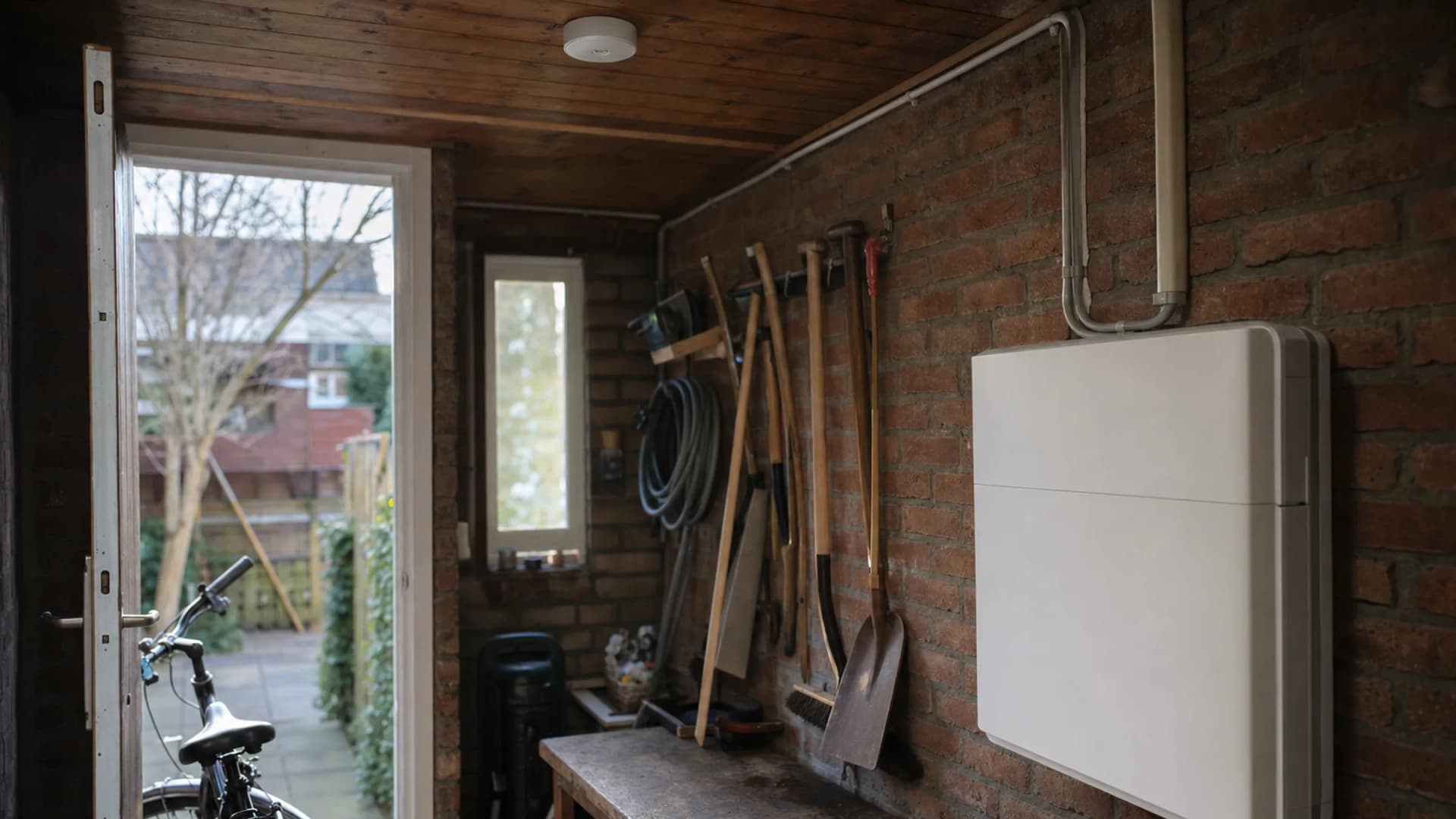
The best place for a home battery is cool, dry and well ventilated, outside your escape route: usually the shed, otherwise the garage or the attic. The crawl space is out, and outdoor placement only works with a system designed for it.
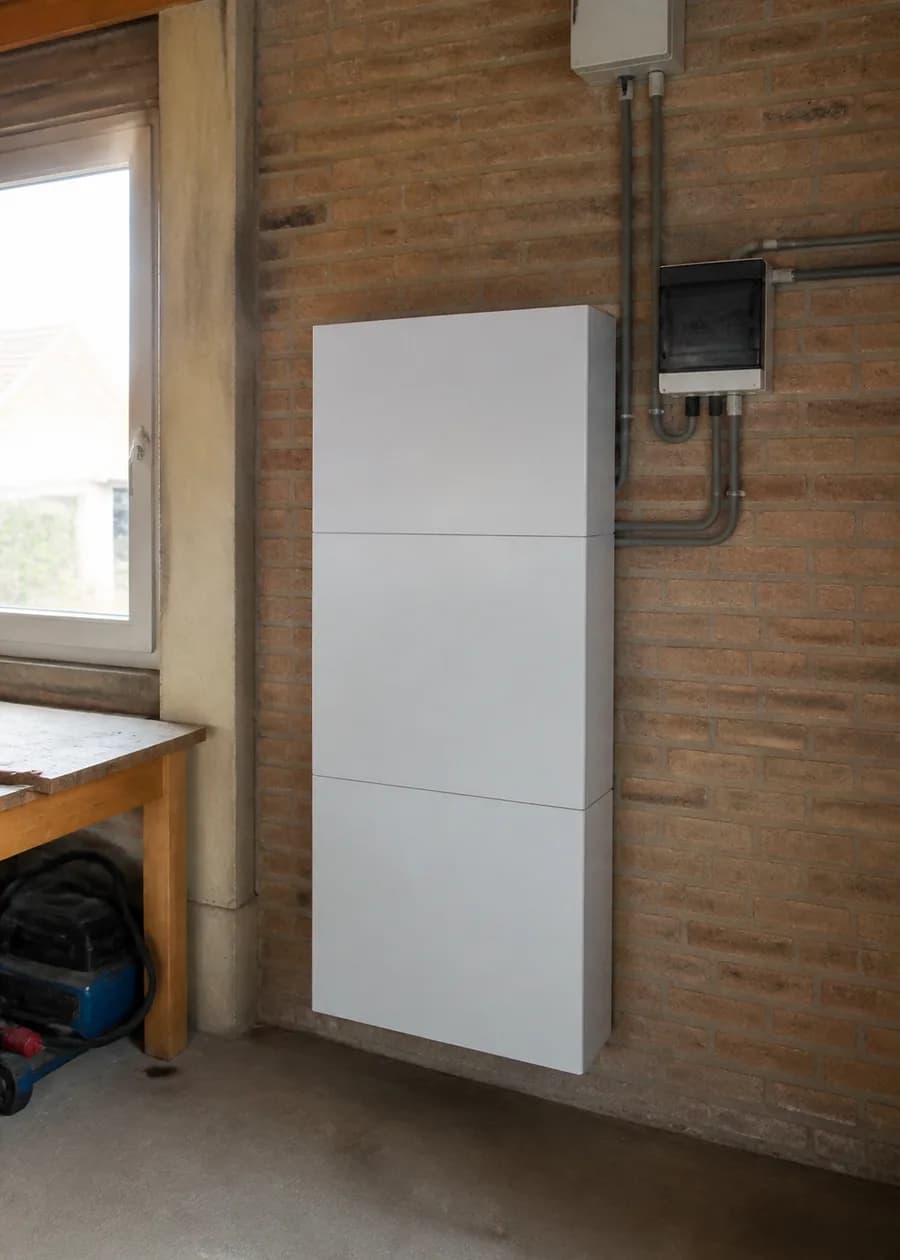
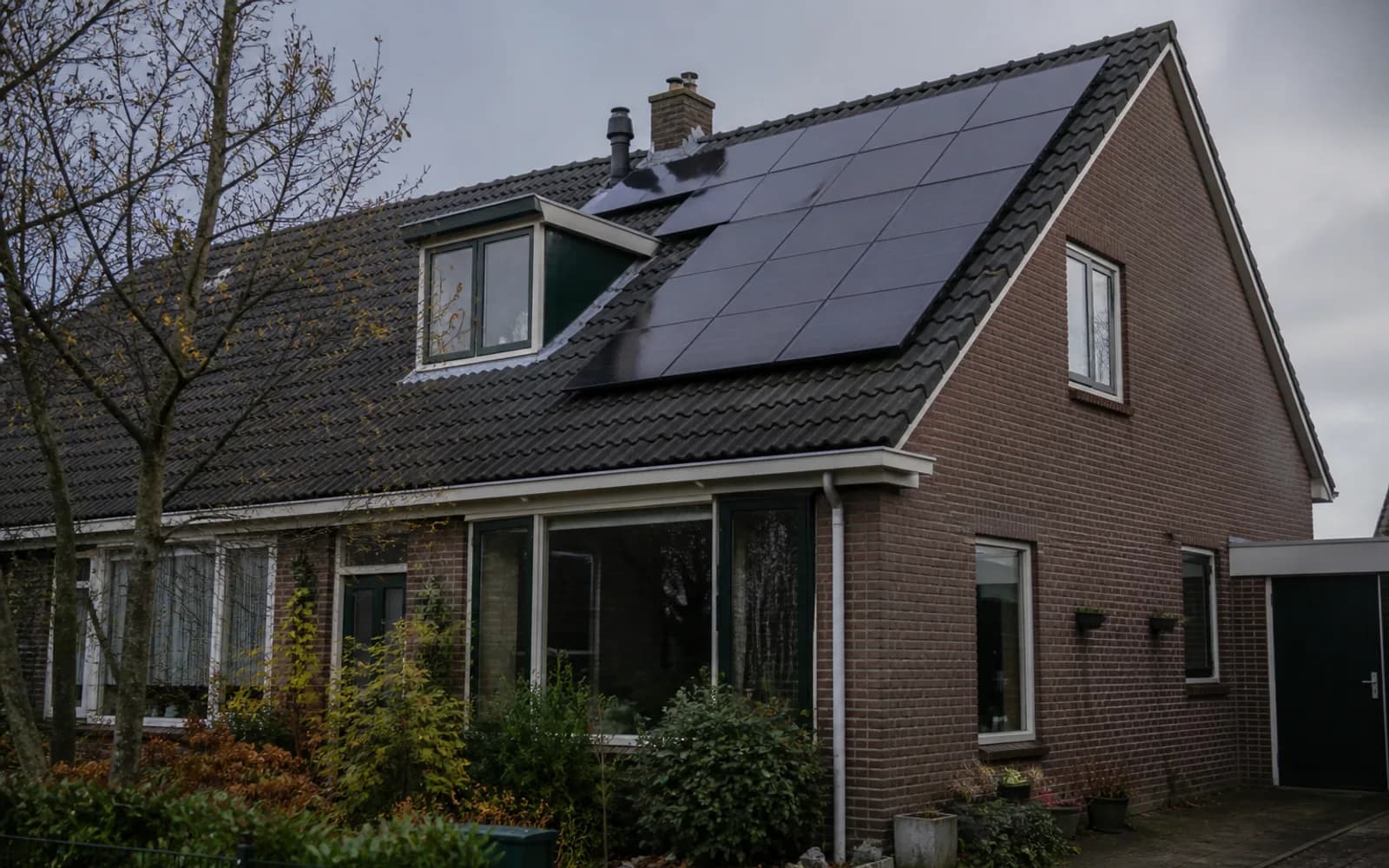
The location is part of the design, not a detail
 Home battery
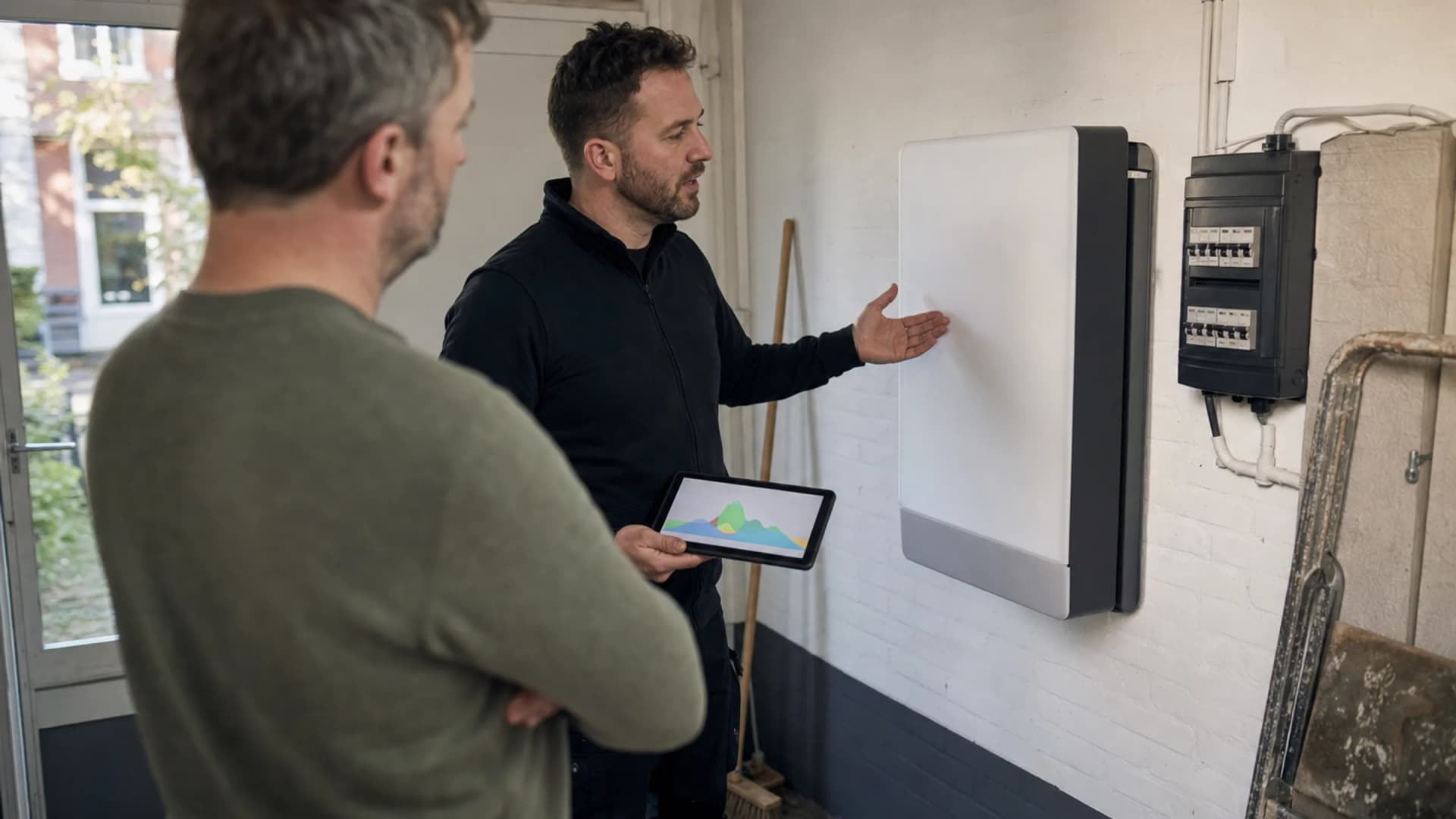
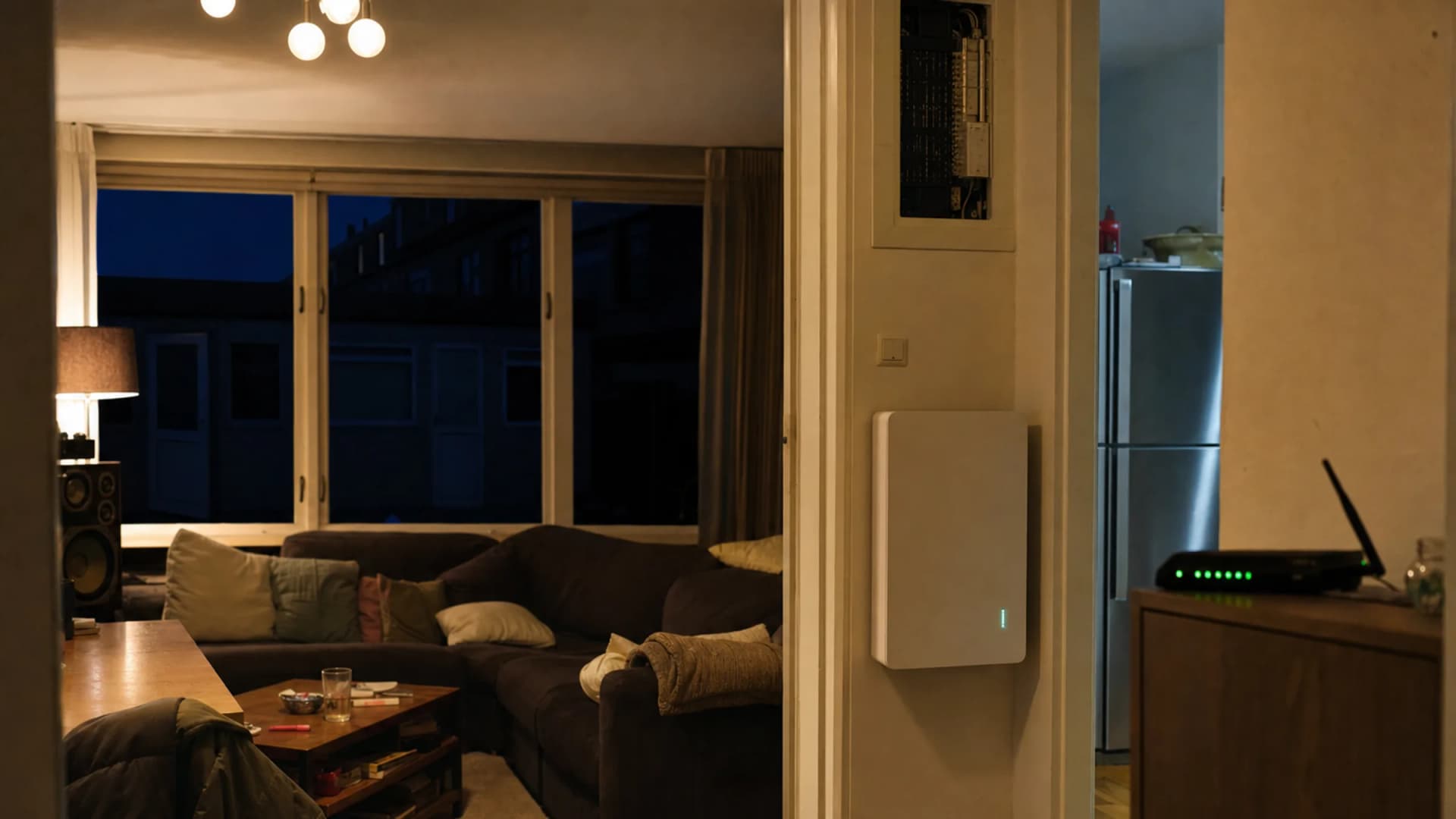
Where your home battery ends up matters more than you might think: it affects how safe the system is, what the installation costs and how long the battery lasts. Batteries like cool, dry and ventilated. Every spot that deviates from that costs you somewhere, in lifespan or in extra provisions.
On this page we walk through the rooms the way we do during a site survey, from shed to crawl space. Still choosing between systems and capacities? Read which home battery suits you first; this page is purely about the location.
The fire service advice as starting point
For safety we follow the advice of the Dutch fire service (Dutch): place the battery in a cool, well-ventilated space, preferably the shed, otherwise the garage or the attic. Never hang it in your escape route, mount it on a non-combustible surface, fit a smoke detector in the same room and have the installation done by a certified installer.
That advice exists for a reason. In the rare case that a lithium battery does go seriously wrong, you do not want it hanging between you and the front door. That is why the hallway, the stairwell and the landing are out, however practical that spot next to the fuse box may seem.
Room by room: from shed to utility room
In our installation practice, four locations come up again and again. This is how we weigh them:
| Room | Our verdict | What to watch |
|---|---|---|
| Shed | First choice | Cool and ventilated; check that it is dry and frost-free |
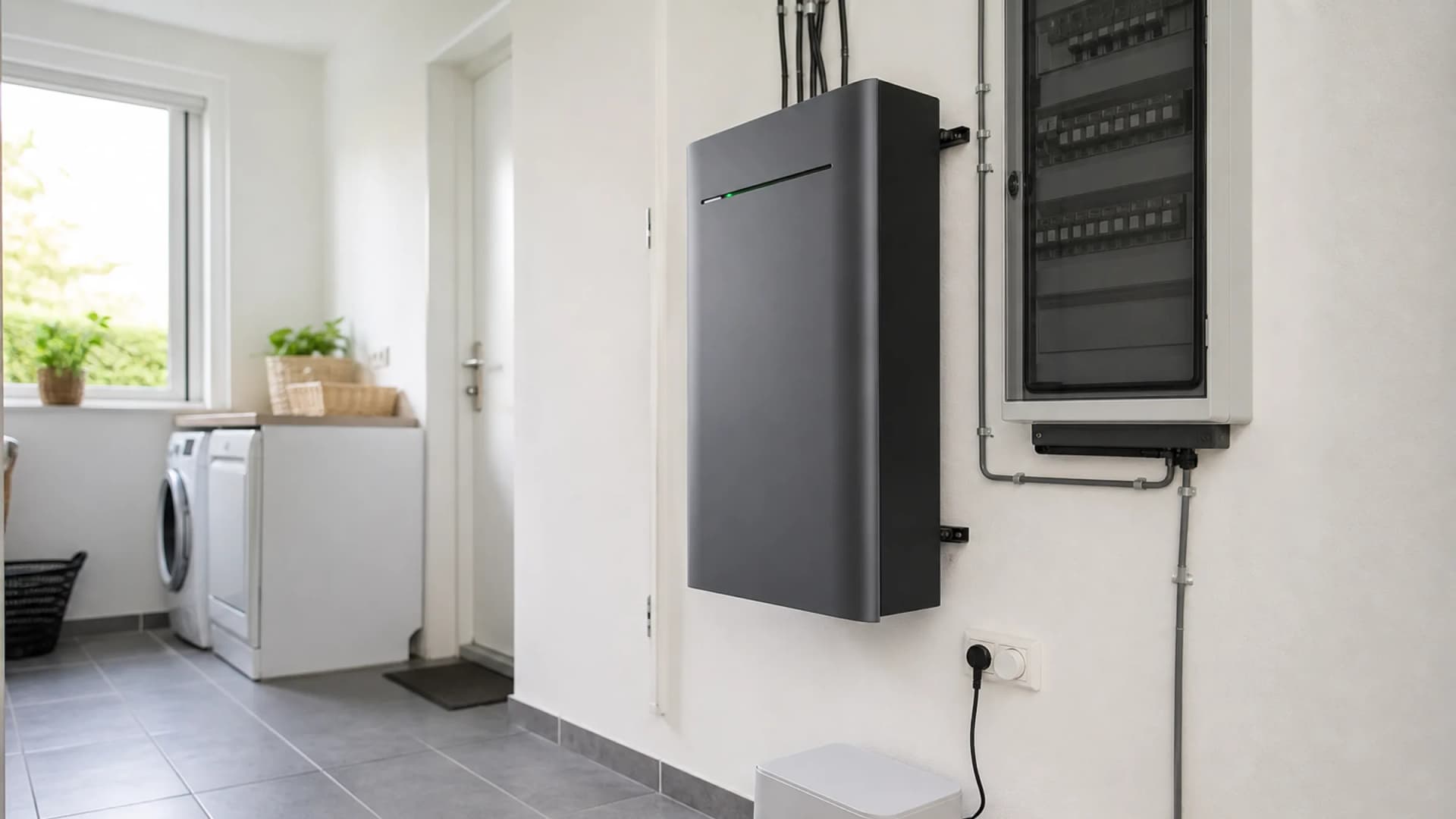
| Garage | Fine alternative | Non-combustible surface, clearance around the car and room for servicing |
| Attic | Possible, with caveats | Summer heat under the roof, load-bearing capacity of floor or wall, longer cable run |
| Utility or technical room | Possible with enough ventilation | Not an escape route, not right next to the boiler, accessible for servicing |
Considerations from our own installation practice, within the fire service safety advice; the site survey decides.
The attic works, the crawl space does not
In terraced houses without a shed or garage, the battery often goes in the attic, and that works fine. Do watch three things from practice. Under an uninsulated roof the temperature climbs steeply on summer days, while a battery prefers cool; a spot against an internal wall, away from the roof boarding, helps. The floor or wall must carry the weight. And the cable run to the fuse box gets longer, which factors into the price.
The crawl space looks attractive on paper, out of sight and close to the fuse box, but falls off in practice: it is damp, rarely frost-free and there is no non-combustible, load-bearing surface to mount on. It is also unsuitable for servicing and for the smoke detector. We do not install batteries there, and we would give you the same advice if you buy elsewhere.
Weight, mounting surface and the route to the fuse box
Battery modules are heavy. The exact weight differs per system and is in the datasheet, but count on tens of kilos per module and more for stacked systems. The wall or floor must carry that: a brick wall or concrete floor almost always works, with plasterboard or a wooden attic floor we first check whether mounting is responsible or a floor-standing setup makes more sense.
The second fitting question is the distance to the fuse box. There is no hard maximum, but every metre of cable costs money and long runs lose power. So we always weigh the best room against the cable route: a detached shed far down the garden can easily end up more expensive than the garage attached to the house.
Outdoor placement: only if the system is made for it
A home battery outside against the facade or in the garden only works with a system designed for it, with an enclosure that handles rain, frost and sun. Most home batteries are indoor units; hanging those outside usually voids the warranty. So check the specifications and warranty terms before counting on an outdoor setup, or ask us at the quote stage.
Wherever the battery goes: inform your insurer about the placement. That is fire service advice and it prevents discussion about cover afterwards. Some insurers set requirements for the location or the installation; better to know that upfront than during a claim.
How we pick the spot at SolarFast
During the site survey we walk through your home with this lens: where is it cool, dry and ventilated, what carries the weight, how short can the cable run be and does the escape route stay clear. That produces a location plus the matching configuration, including the question whether you want backup power, because a backup provision also means work in the fuse box.
You get a no-obligation quote within 24 hours and after approval we usually install within three weeks. Not sure whether your intended spot is suitable? Put your situation to us or browse the options on our home battery page first.
Solar panels are still a smart investment in 2026. A few things matter if you want the most from your own power.
Your energy use
Planning to drive, cook or heat electrically? Factor that into how many panels you install now.
Spread the yield
Spread panels across roof faces so you generate through the day and use more of your own energy.
Your data
Choose a system with its own 4G connection and data storage in Europe so your information stays secure.
Boost your energy
A smart home battery stores today's power for later, so you use more of your own electricity after sunset.

We install your home battery
Usually within three weeks. Our installers fit the battery neatly and safely by your fuse box. We leave your home clean and make sure you know exactly how it all works.
- Charge smart when power is cheap
- Keep power until you need it
Frequently asked questions
A cool, dry and well-ventilated space outside your escape route. In practice: first the shed, then the garage, then the attic, as the fire service also advises. Mount it on a non-combustible surface and fit a smoke detector in the same room.
No. A crawl space is damp, rarely frost-free and has no non-combustible, load-bearing surface for mounting. It is also unsuitable for servicing and for the smoke detector. There is almost always a better spot in the house.
Yes, provided the floor or wall carries the weight and it does not get too hot. Pick a spot against an internal wall, away from the roof boarding, and allow for a longer cable run to the fuse box.
We advise against it, in line with the fire service advice: hallway, stairwell and landing are your escape route, and a battery does not belong there. Choose a room you do not have to pass to get outside during an incident.
That differs per system and is in the datasheet. Count on tens of kilos per module and more for stacked systems. That is why we check during the site survey whether the wall or floor can carry the weight.
There is no hard limit, but every metre of cable costs money and long runs lose power. During the survey we look for the balance between a good room and a short cable route.
Only with a system designed for it. Most home batteries are indoor units; placing those outside usually voids the warranty. Check the specifications and warranty terms beforehand.
Yes, that is the fire service advice. It tells you upfront whether your insurer sets requirements for the location or the installation, and prevents discussion about cover if anything ever happens.

Discover what smart energy can do for you
In about an hour you get insight into your savings, the options for your home and when the investment pays back. Straightforward, honest advice so you know exactly where you stand.
Smart energy at home
- Upgrade your home with our smart battery
- Our solar panels deliver up to 25% more energy
- A heat pump to minimise your energy use
- Charge your electric car easily at home with an EV charger
Booking an advice call is easy
Fill in your details below. Within a day we will contact you to schedule a no-obligation advice call together.
Related articles