
Government wants to cut EPV rates as net metering ends
Posted on Updated on 7 min read
The Dutch government wants to cut the energy performance fee from 2027 as net metering ends. What it means for landlords, and where storage fits in.
All articles
The Dutch government wants to lower the maximum rates of the energy performance fee (EPV) per 1 January 2027, the same day the net metering scheme ends. The proposal was open for public consultation from early July up to and including 16 August 2026. That consultation has closed. On 13 October 2026 the amendment had not yet been formally adopted; the government intends it to take effect on 1 January 2027. In a letter to the House of Representatives of 7 October 2026, the minister writes that the government wants the lower maximum EPV rates to take effect on 1 January 2027. Without that cut, tenants paying the maximum EPV rate would pay an estimated €42 to €75 per month more after net metering ends than in the situation with net metering. With the cut, that is roughly €8 to €13 per month. Before the Christmas recess a letter will follow on how solar panels can stay attractive for the rental sector after net metering. What has changed: the consultation has closed. Status updated; the new rates have not yet been adopted. For housing associations and other landlords with highly energy-efficient rental homes, this directly affects operating income. In this article we explain what is on the table, why the end of net metering hits EPV homes in particular, and why self-consumption inside the home, through storage and smart steering, is the lever landlords can actually pull themselves.

What is the energy performance fee again?
 Solar panels
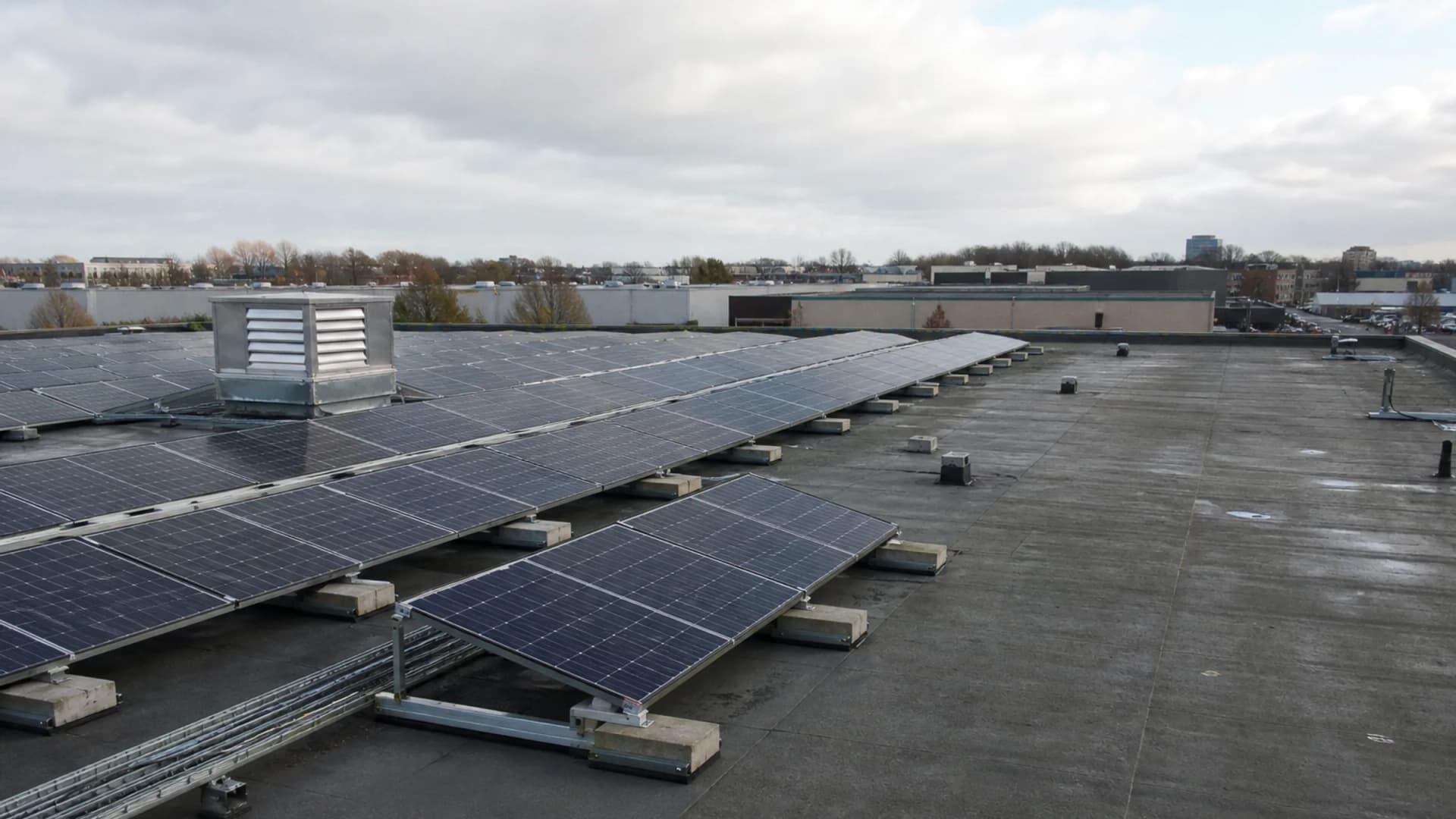
The EPV has existed since 2016 and solves a classic problem in deep retrofits of rental homes: the landlord invests in insulation and solar panels, but the benefit of the low energy bill lands with the tenant. That mismatch is known as the split incentive. The EPV allows the landlord to charge a monthly fee on top of the rent, provided the home delivers a guaranteed, highly energy-efficient performance with substantial on-site generation. Think of net-zero-energy homes.
The principle behind the scheme: the tenant's total housing costs, meaning rent plus EPV plus energy bill, should remain comparable to those of a tenant in a conventionally retrofitted home without an EPV. The tenant pays a fee, but gets a very low energy bill in return.
What has been proposed?
When the EPV decree was modernised in 2023, the government already announced that the statutory rates would be reviewed once the net metering scheme changed. That moment has arrived: the proposal that was put out for consultation recalibrates the EPV rates, with the aim of lowering the maximum rates per 1 January 2027. This spreads the extra costs of the end of net metering between tenant and landlord, instead of leaving them entirely with the tenant.
| Item | The proposal | Status on 13 October 2026 |
|---|---|---|
| Maximum EPV rates | Lower them (recalibration) | Proposal, not yet adopted |
| EPV 1.0 rate at new lettings | Clarify that landlords may charge it under conditions | Proposal, not yet adopted |
| Public consultation | Early July up to and including 16 August 2026 | Closed |
| Start date | 1 January 2027 | Intended by the government, not yet adopted |
Sources: public consultation Wijziging Energieprestatievergoeding and the government letter of 7 October 2026.
The proposal also resolves a legal ambiguity: landlords may, under conditions, charge the rates applying to EPV 1.0 when re-letting older EPV homes (EPV 1.0). Especially for homes retrofitted years ago, that was not always clear until now.
Why does the end of net metering hit EPV homes in particular?
An EPV home is by definition a home with substantial on-site generation. As long as net metering applies, the tenant offsets that generation against consumption on the annual bill, and the energy bill stays as intended: close to zero. From 1 January 2027 that changes. Power drawn from the grid is paid in full, and exported power receives a separate feed-in payment with a legal floor of 50 percent of the bare supply rate, until at least 2030.
The result: the tenant's energy bill rises while the EPV initially stays the same, putting the housing-cost principle of the scheme under pressure. Research by the housing ministry together with Aedes and the Woonbond confirmed last year that tenants with solar panels are in most cases financially worse off after net metering ends. How the new annual bill works out for a household is covered in our earlier article on the end of the net metering scheme.
What does this mean for housing associations and property investors?
Lower maximum EPV rates mean less operating income on existing EPV homes, while the investment in those homes has already been made. For new retrofit projects the maths shift: a business case that leans on exporting to the grid becomes more fragile, while one built on self-consumption inside the home does not.
Three things you can do now. First: calculate per complex what the proposal means for your operating income, so the final rates do not catch you off guard. Second: keep an eye on the final amendment of the EPV decree. Only then are the new maximum rates fixed. Third: prepare tenant communication. Tenants in EPV homes will start asking questions as soon as the first new-style annual bill arrives, and a landlord who can explain that story clearly prevents a lot of discussion.
Raising self-consumption: the lever you control
A landlord cannot change the rates in the decree. The balance between export and self-consumption is a different matter. Every kilowatt-hour of solar power used inside the home is worth the full supply rate after 2027; every kilowatt-hour sent to the grid only a fraction of that. The ministry is looking at the role of storage and smart steering in softening the impact in that same light.
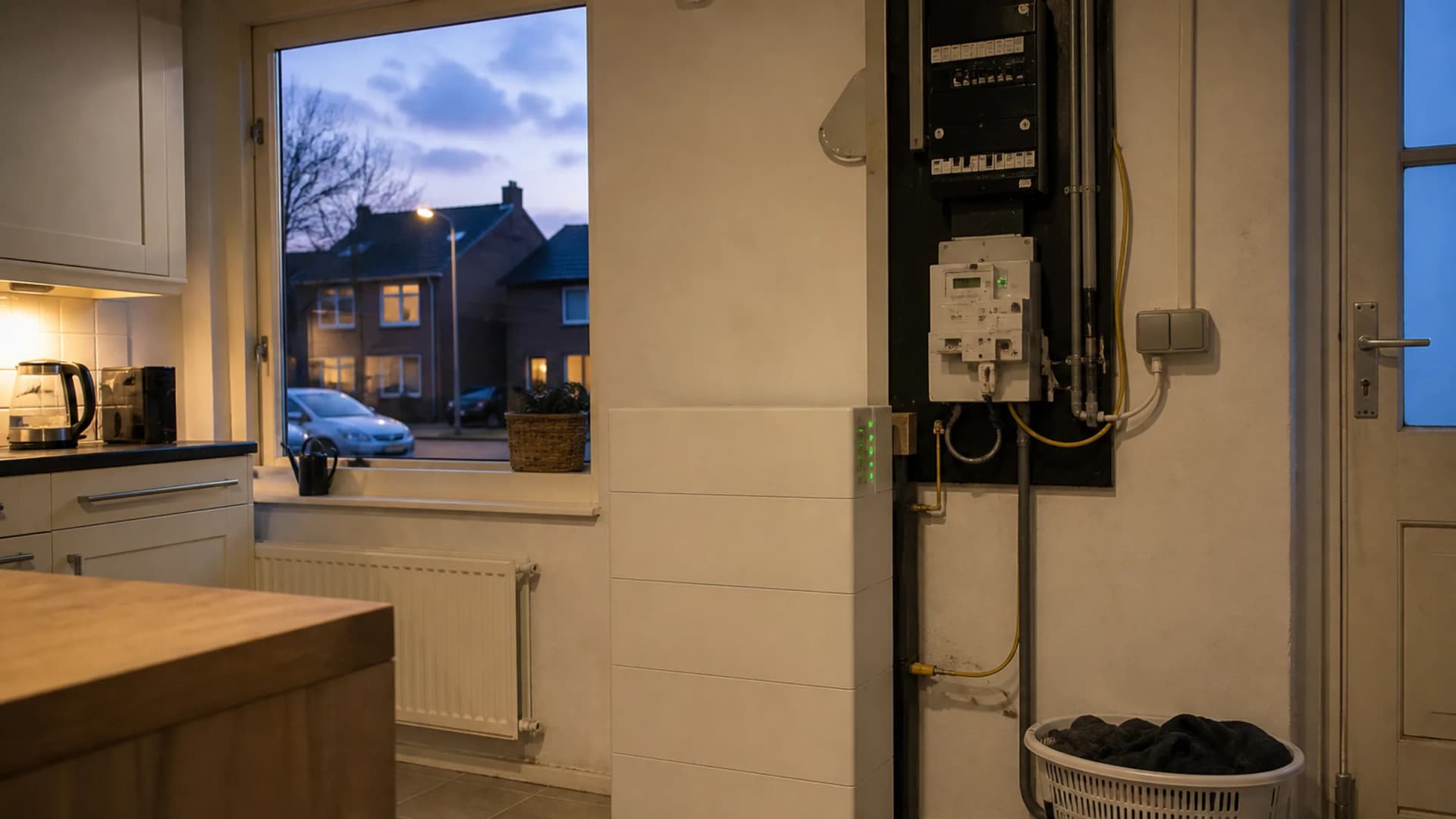
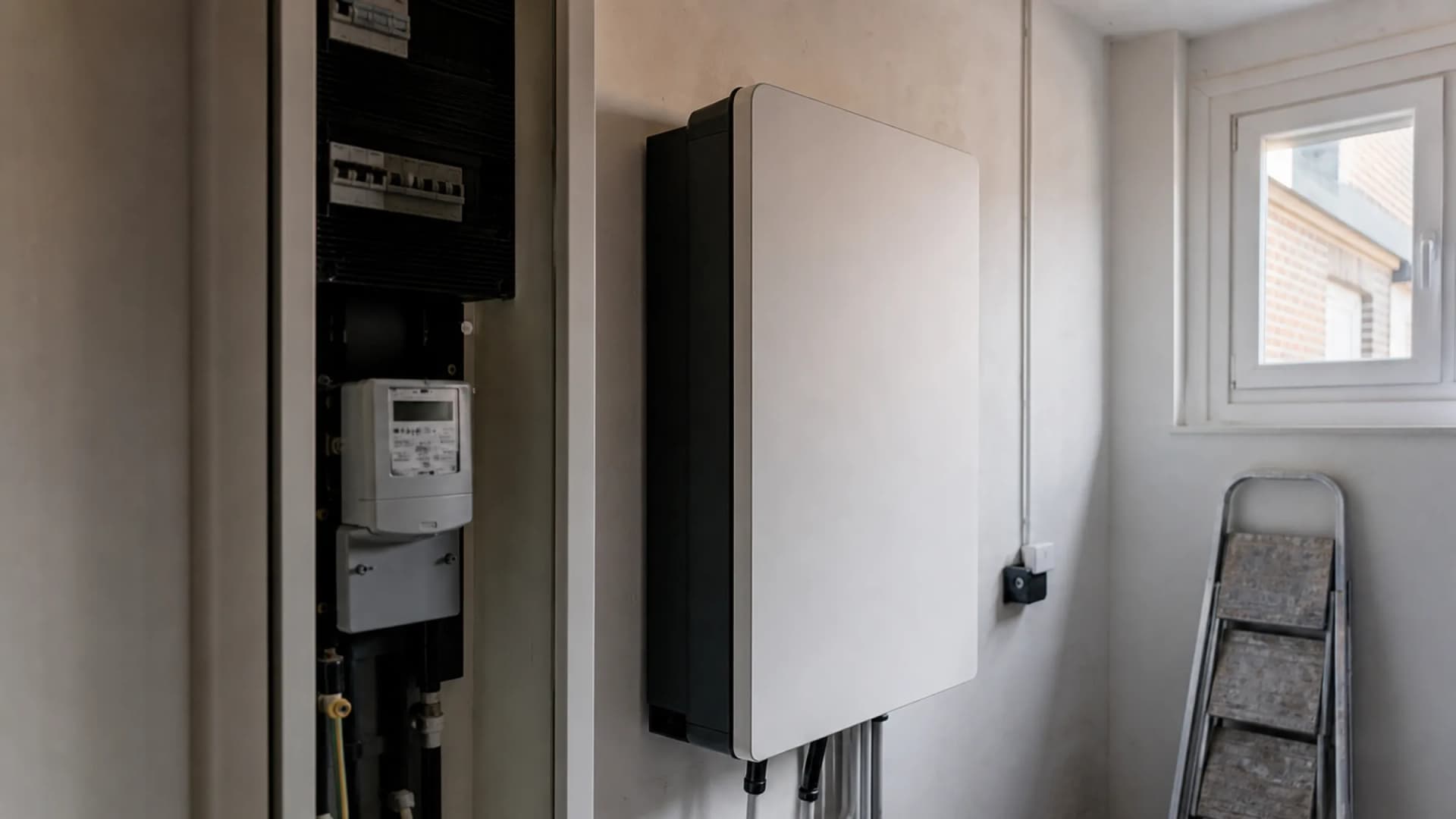
In practice there are two routes. A home battery per dwelling shifts the midday surplus from the panels to the evening, making the tenant less dependent on the feed-in payment. And smart steering, from hot water boiler to charge point, moves consumption into the hours when the panels generate; how that works is explained in smart home energy management. To be fair: a battery per dwelling is a serious investment that needs to be calculated per complex, not an automatic reflex. But anyone already facing the question of how EPV homes stay viable without net metering should include this route in every calculation.
SolarFast guides housing associations through making their stock more sustainable, from inventory and tenant communication to installation and aftercare. Our page for housing associations explains how we approach that.
How certain is this, and when?
This is still a proposal, not a final decision. The public consultation closed on 16 August 2026. The ministry is processing the responses into the final amendment of the EPV decree. The intended start date of the new rates is 1 January 2027, coinciding with the end of the net metering scheme. The exact level of the new maximum rates is therefore not yet fixed.
We are following the process and will update this article once the final rates are known.
Conclusion
The end of net metering reaches into the rental sector: the EPV rates are expected to come down to keep tenants' housing costs in balance, shifting part of the bill to landlords. Those who run the numbers on their portfolio now and build the retrofit business case on self-consumption rather than export will be in a much stronger position in 2027.
Do you manage rental homes with solar panels, or are you planning a retrofit project? Put your situation to us and we will think along on generation, storage and smart steering for your stock.
Read more
- Public consultation Wijziging Energieprestatievergoeding (proposal to recalibrate the EPV rates and clarify the EPV 1.0 rate at new lettings; consultation closed on 16 August 2026, Dutch)
- Dutch government: net metering scheme ends per 1 January 2027 (feed-in payment at least 50% of the bare supply rate, until at least 2030, Dutch)
- Dutch government, 30 May 2025: research by the housing ministry, Aedes and the Woonbond into the effect of the end of net metering on tenants with solar panels (Dutch)
- Dutch housing ministry (VRO), letter to the House of Representatives on progress in making the built environment more sustainable, 7 October 2026 (intended start of the lower maximum EPV rates per 1 January 2027, estimate of the effect on tenants, letter on rooftop solar in the rental sector before the Christmas recess, Dutch)
Get more out of your own power. Four things to watch for, even as net metering ends
Your energy use
Planning to drive, cook or heat electrically? Factor that into how many panels you install now.
Spread the yield
Spread panels across roof faces so you generate through the day and use more of your own energy.
Your data
Choose a system with its own 4G connection and data storage in Europe so your information stays secure.
Boost your energy
A smart home battery stores today's power for later, so you use more of your own electricity after sunset.

We install your solar panels in a day
We can often start within three weeks. A day later your panels are on the roof and everything is connected. We leave your home clean and make sure you know exactly how it all works.
- Use more of your own power during the day
- 0% VAT on solar panels on or at your home
The zero rate applies to the supply and installation of solar panels on or at a home. Exception: solar panels integrated into the roof of a new-build home and supplied together with the home. Source: Belastingdienst (Dutch Tax Authority).
Book an appointmentFrequently asked questions
No, not as of 13 October 2026. The consultation has closed. Once the final regulation is published, we will update this article.

Discover what smart energy can do for you
In about an hour you get insight into your savings, the options for your home and when the investment pays back. Straightforward, honest advice so you know exactly where you stand.
Smart energy at home
- Upgrade your home with our smart battery
- Solar panels matched to your roof and usage
- A heat pump to minimise your energy use
- Charge your electric car easily at home with an EV charger
Booking an advice call is easy
Fill in your details below. Within a day we will contact you to schedule a no-obligation advice call together.
Related articles