
Plan to drop mandatory solar for businesses
Posted on Updated on 6 min read
Solar panels are off the draft measures list of the Dutch energy-saving obligation for 2027. What does that mean for businesses considering solar?
All articles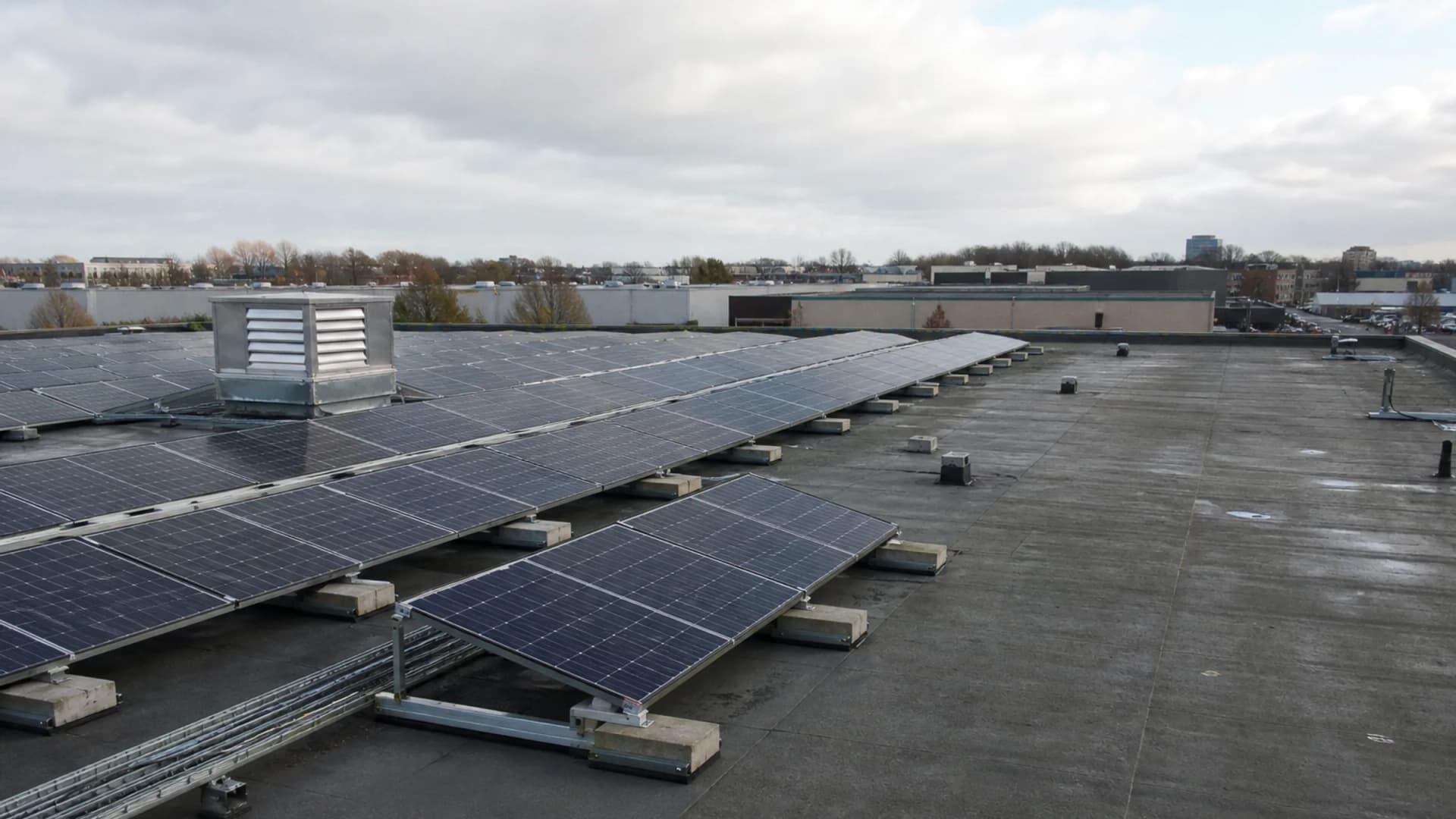
Dutch businesses and institutions with substantial energy use are legally required to take energy-saving measures, and since 2023 solar panels have been part of that obligation under certain conditions. The government now wants to change that: in the updated list of recognised measures put out for consultation in early July, solar panels no longer appear as a mandatory measure. Good news if you saw an obligation coming, you might say. But the story is more nuanced: the rest of the obligation actually gets stricter, and the reason solar is dropping off the list says more about a generic payback calculation than about your roof. In this article we cover what exactly changes, who it applies to and how to make a level-headed assessment as a business owner.

What is the energy-saving obligation again?
 Solar panels
The energy-saving obligation (energiebesparingsplicht) applies to businesses and public institutions using more than 50,000 kilowatt-hours of electricity or 25,000 cubic metres of natural gas (equivalent) per location per year. Those covered must take all energy-saving measures that pay for themselves within five years, and report on them to the government every four years.
To keep that workable there is the List of Recognised Measures, the EML: a fixed list of measures, from LED lighting to insulation, that satisfies the obligation. Since 2023, solar panels have been on that list. Large roofs meeting the conditions therefore had to get panels.
What does the government want to change?
From 1 July 2027 the energy-saving obligation is being updated. The biggest change: the payback-period threshold goes from five to seven years, bringing more measures under the obligation. At the same time the entire EML has been recalculated based on current technology, investment costs and energy prices. That updated list has been open for public consultation since 1 July 2026; responses are possible until 19 August 2026.
| Topic | Now | Proposal (intended 1 July 2027) |
|---|---|---|
| Payback-period threshold | 5 years | 7 years |
| Solar panels on the EML | Yes, for large roofs that meet the conditions | No, not on the draft list |
| Status | Current obligation applies | Proposed change, not a final decision |
In the updated list, solar panels no longer appear as a mandatory measure. The reason given in the explanatory notes to the draft regulation: due to changed energy prices and lower feed-in compensation, solar panels no longer pay for themselves within seven years in many situations, and under the system's logic they then do not belong on the list.
Note the paradox: the obligation as a whole gets stricter, because the seven-year threshold pulls more insulation and installation measures into the mandate. Only solar panels fall outside it. Sustainability requirements remain, just not the solar route.
How strict was that obligation really?
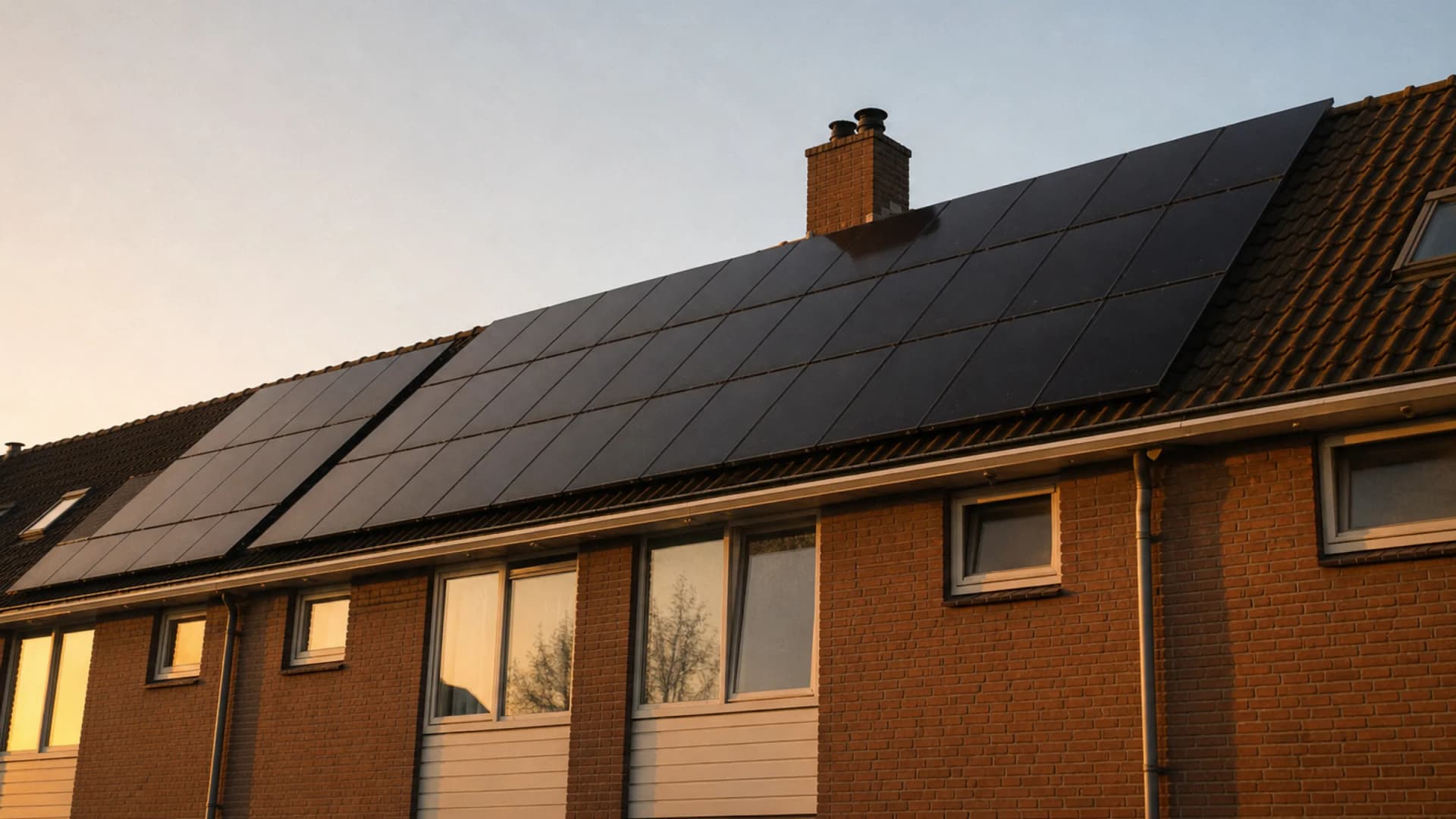
Looking at the current conditions, the obligation never applied to most business owners in the first place. The recognised solar measure targets roofs of 2,000 square metres or more with room for at least 300 kilowatt-peak of panels, a large-consumer grid connection, a roof needing no renovation for the next ten years and an insurer that agrees without a steep premium increase.
That describes a distribution centre or large industrial hall, not the average SME location. For most business premises, solar was already a free choice, and it stays that way. What changes is mainly the signal: the government no longer assumes by default that a large roof pays for itself within the term.
Why the generic calculation is not your calculation
The rationale for dropping solar leans on lower feed-in compensation: those who export a lot of generated power to the grid get less and less for it. That is true, and it mainly affects roofs that generate far more than the building itself uses.
But a generic calculation says little about an individual building. The business case for commercial solar is driven by self-consumption: every kilowatt-hour you use directly is one you neither buy nor export. A company that operates during the day, with cooling, machinery, an office or charging points, uses solar power exactly when it is generated. The feed-in compensation then becomes a side note in the calculation, not its foundation.
To push self-consumption further you can steer and store: shift equipment and charging to sunny hours, or store surplus in a battery for the evening. How that works is explained in our guide to smart energy management; the same principles apply to a business building.
What remains when the obligation goes
Without an obligation the question simply remains: what does a roof full of panels deliver for this building? There are a few sober reasons to keep making that calculation.
First, the energy bill. Self-generated power you consume directly replaces purchased power at the full supply rate. Second, predictability: part of your electricity costs is locked in for twenty years instead of moving with the market. Third, the grid: in more and more regions businesses are waiting for a new or heavier connection due to grid congestion, and generating and storing on site reduces dependence on that delayed grid.
And anyone covered by the energy-saving obligation is not off the hook when solar is dropped: the remaining measures on the updated EML, from insulation to installations, actually expand under the seven-year threshold. It pays to compare the updated list against your own locations in good time.
How certain is this, and when?
This is a proposed change, not a final decision. The consultation on the updated list of measures runs until 19 August 2026; after that the ministry finalises the regulation. The intended start date of the updated energy-saving obligation is 1 July 2027. Until then the current obligation applies, including solar panels as a recognised measure for the large roofs that meet the conditions.
We are following the process and will update this article once the final regulation is published.
Conclusion
Dropping mandatory solar says something about a generic payback calculation under low feed-in compensation, not about the value of solar power for a building that consumes most of its own generation. The obligation only ever touched the largest roofs anyway; for everyone else it was and remains a business-case decision. You make that calculation based on your own consumption profile, not on a list from The Hague.
Considering solar panels for your business premises or home, or curious what self-consumption and storage would do in your situation? Put your situation to us and we will run the numbers with you.
Read more
- IPLO: developments in the 2027 energy-saving obligation (payback period from 5 to 7 years, EML update, consultation until 19 August 2026, intended start 1 July 2027, Dutch)
- Public consultation on the 2027 amendment regulation (draft regulation with the updated EML in which solar panels are no longer a recognised measure, Dutch)
- RVO: Lists of Recognised Measures (current conditions for the recognised solar measure: roofs from 2,000 m2, at least 300 kilowatt-peak, large-consumer connection, Dutch)
Solar panels are still a smart investment in 2026. A few things matter if you want the most from your own power.
Your energy use
Planning to drive, cook or heat electrically? Factor that into how many panels you install now.
Spread the yield
Spread panels across roof faces so you generate through the day and use more of your own energy.
Your data
Choose a system with its own 4G connection and data storage in Europe so your information stays secure.
Boost your energy
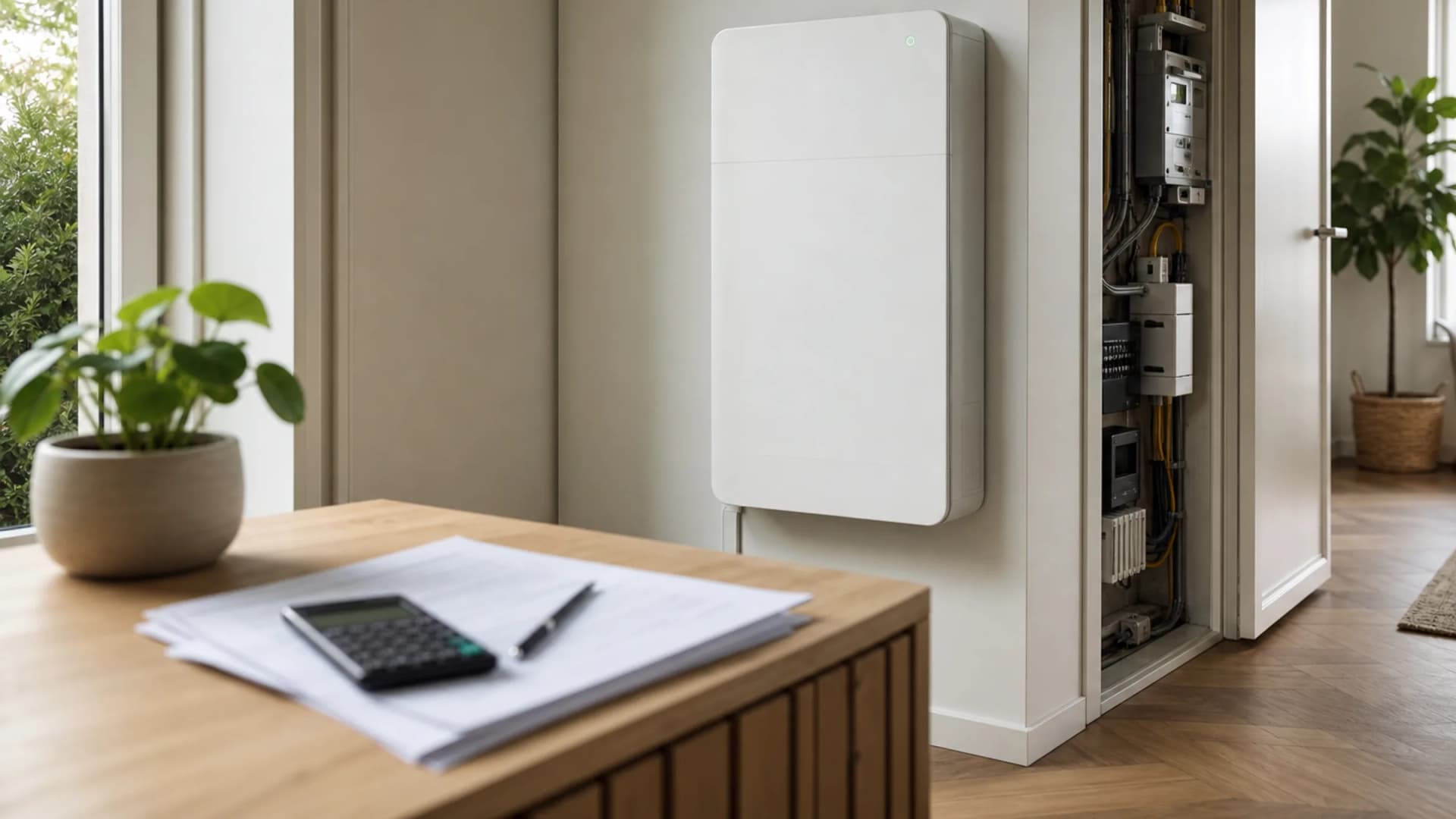
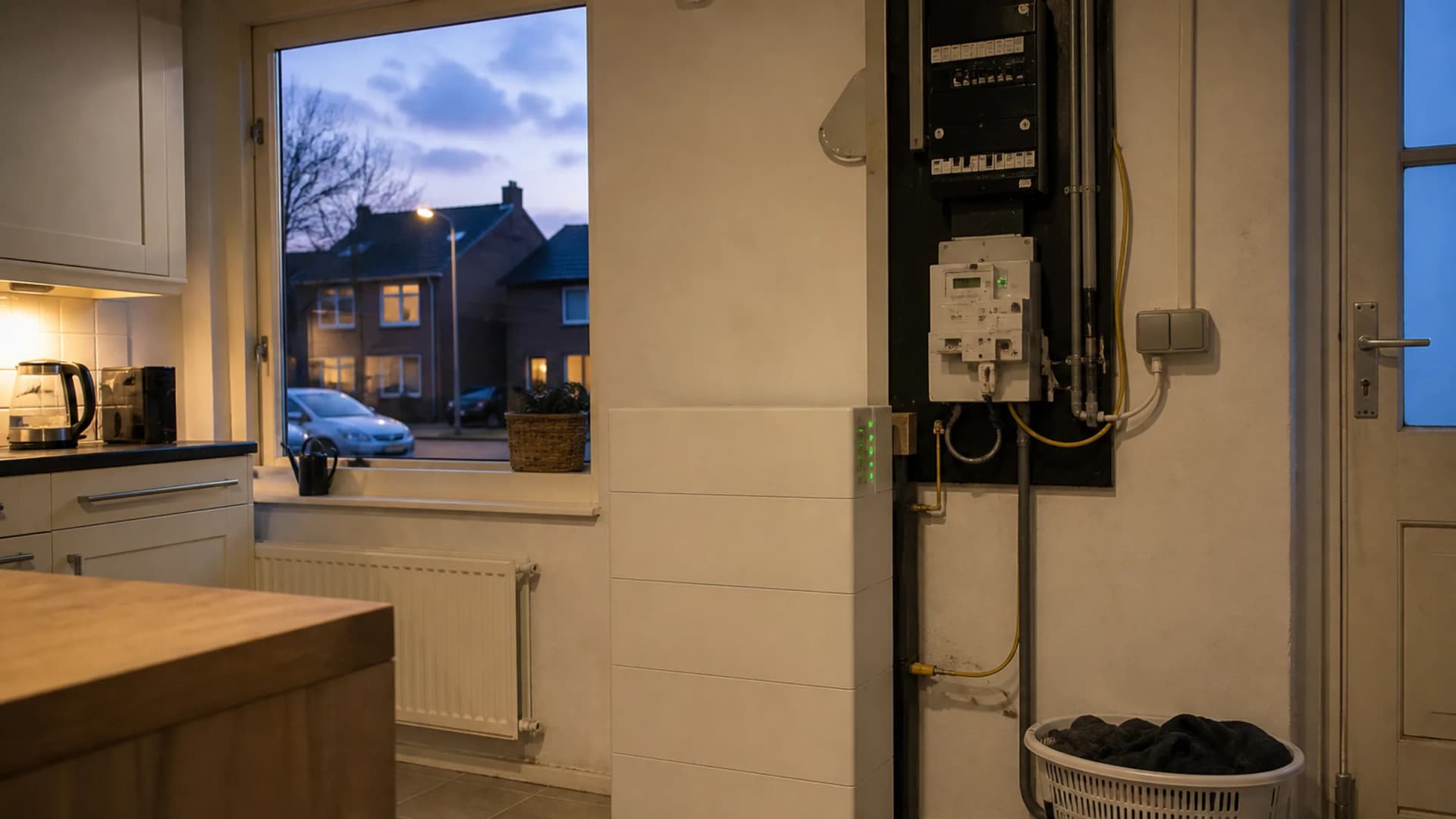
A smart home battery stores today's power for later, so you use more of your own electricity after sunset.

We install your solar panels in a day
We can often start within three weeks. A day later your panels are on the roof and everything is connected. We leave your home clean and make sure you know exactly how it all works.
- Use more of your own power during the day
- 0% VAT makes the investment even more attractive

Discover what smart energy can do for you
In about an hour you get insight into your savings, the options for your home and when the investment pays back. Straightforward, honest advice so you know exactly where you stand.
Smart energy at home
- Upgrade your home with our smart battery
- Our solar panels deliver up to 25% more energy
- A heat pump to minimise your energy use
- Charge your electric car easily at home with an EV charger
Booking an advice call is easy
Fill in your details below. Within a day we will contact you to schedule a no-obligation advice call together.
Related articles