Grid congestion payment: what it is and how to join
Posted on Updated on 5 min read
Grid congestion payment: you get paid when your home battery, EV charger or heat pump helps the grid in Utrecht, Flevoland and Gelderland.
All articles
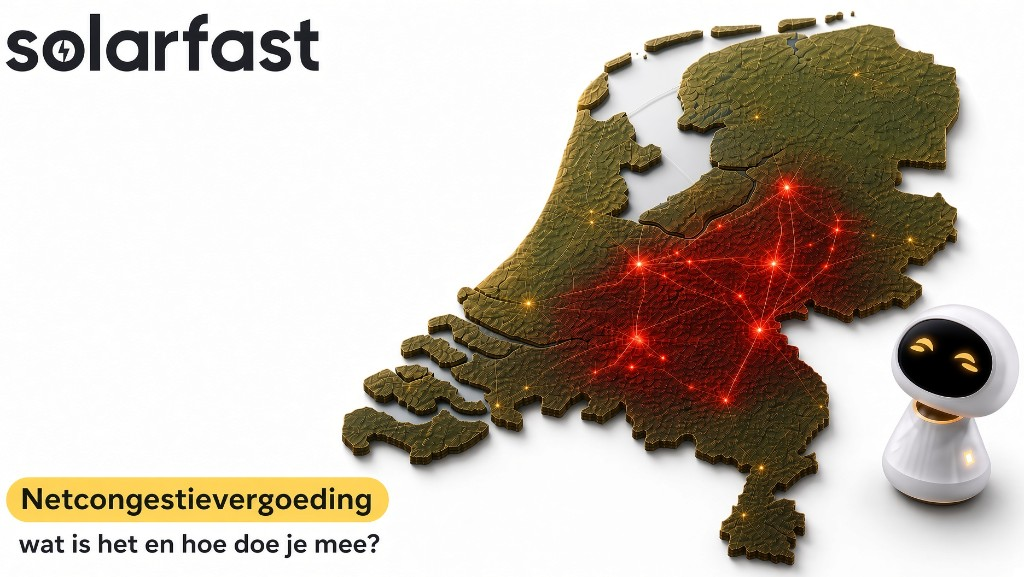
If you live in a designated congestion area and let a home battery, EV charger or heat pump help steer the grid, you can receive a grid congestion payment. In the FGU region (Flevopolder, Gelderland and Utrecht) a broad connection stop for households has largely been prevented. Part of Utrecht does have a temporary pause on new or heavier connections since 1 July 2026. This article covers what was decided, how the payment works and how to join through our partner Frank Energie. Want to understand grid congestion first? Start with our explainer on grid congestion.
What is going on in the FGU region?
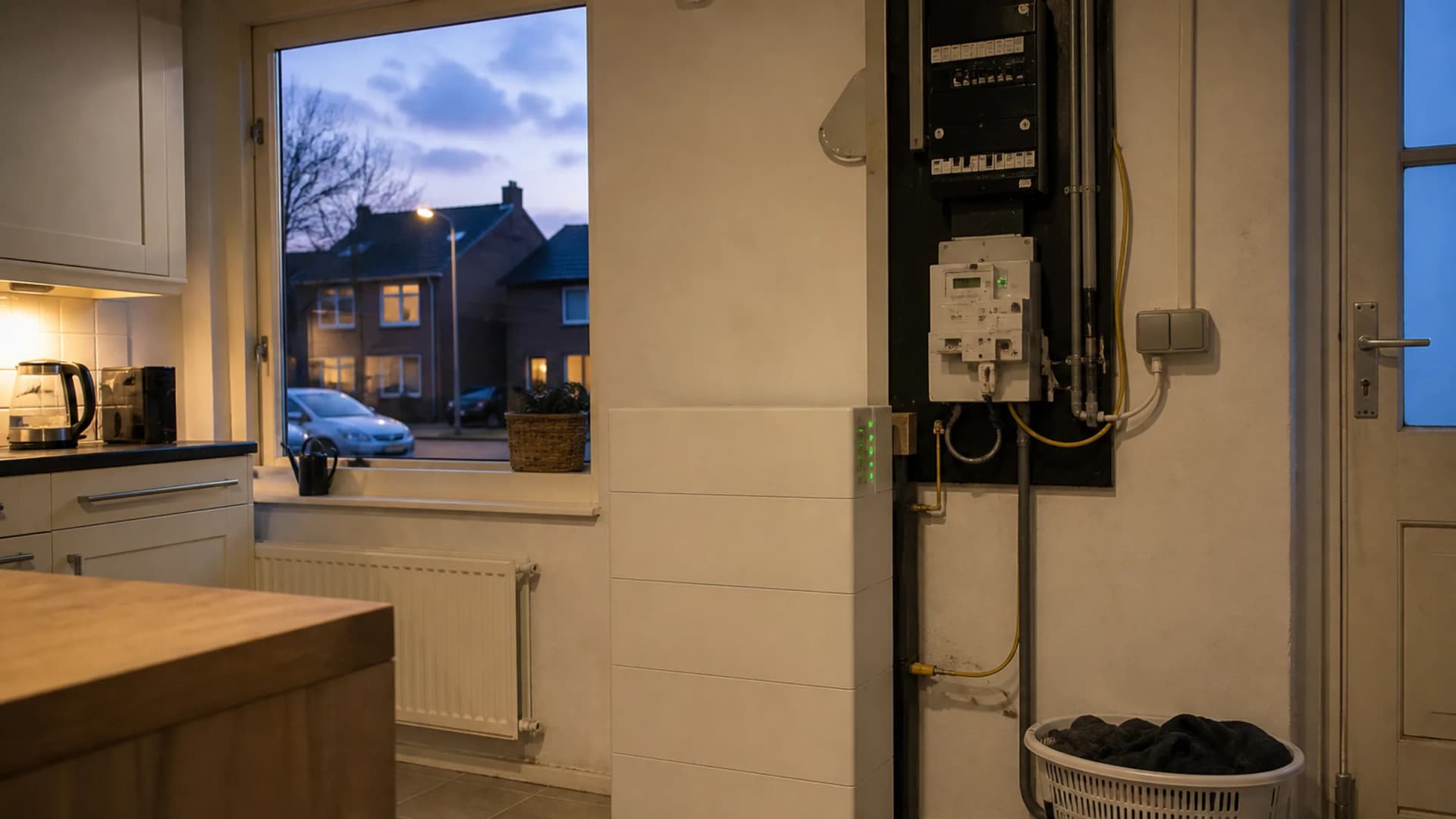
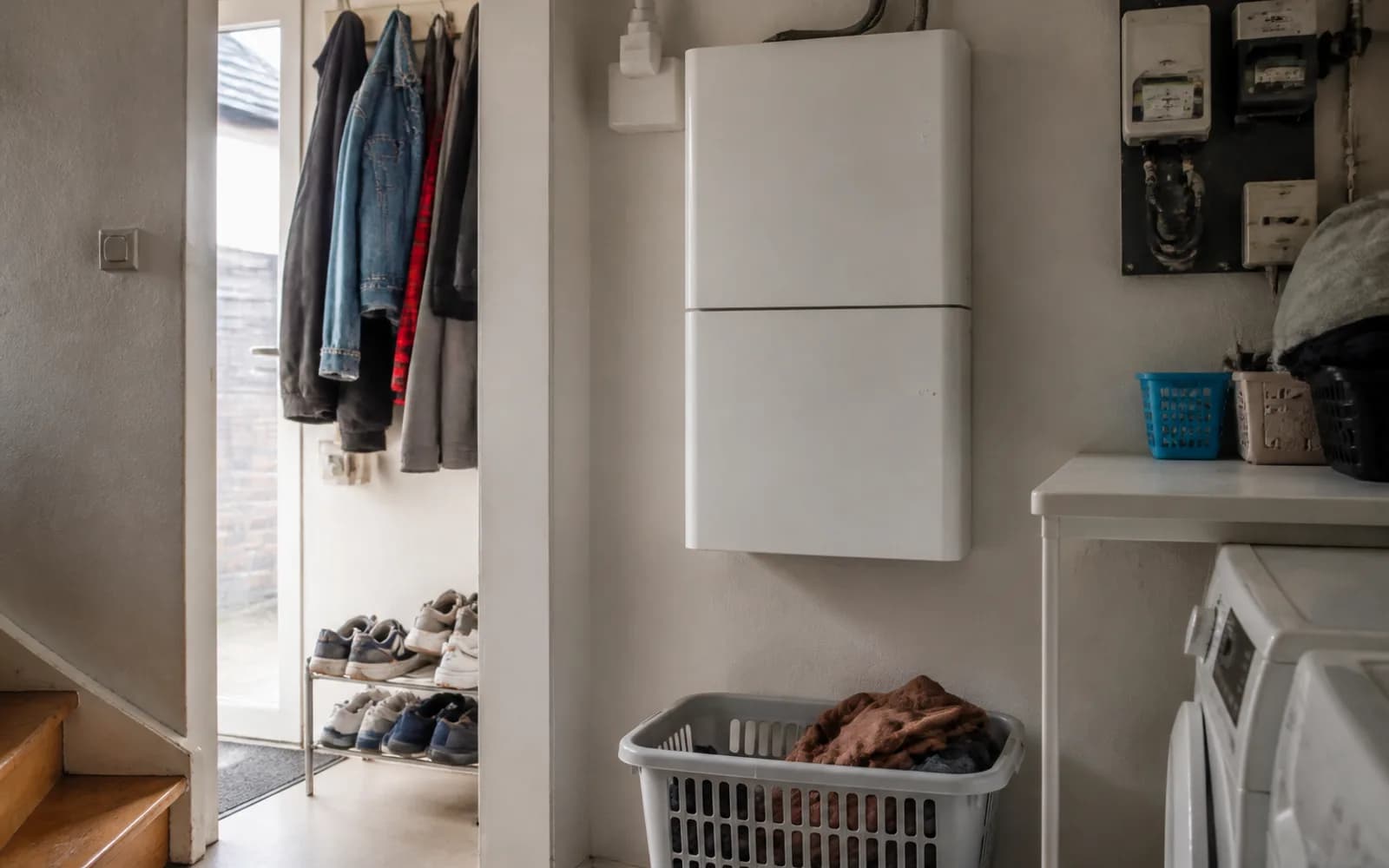
 Smart home battery
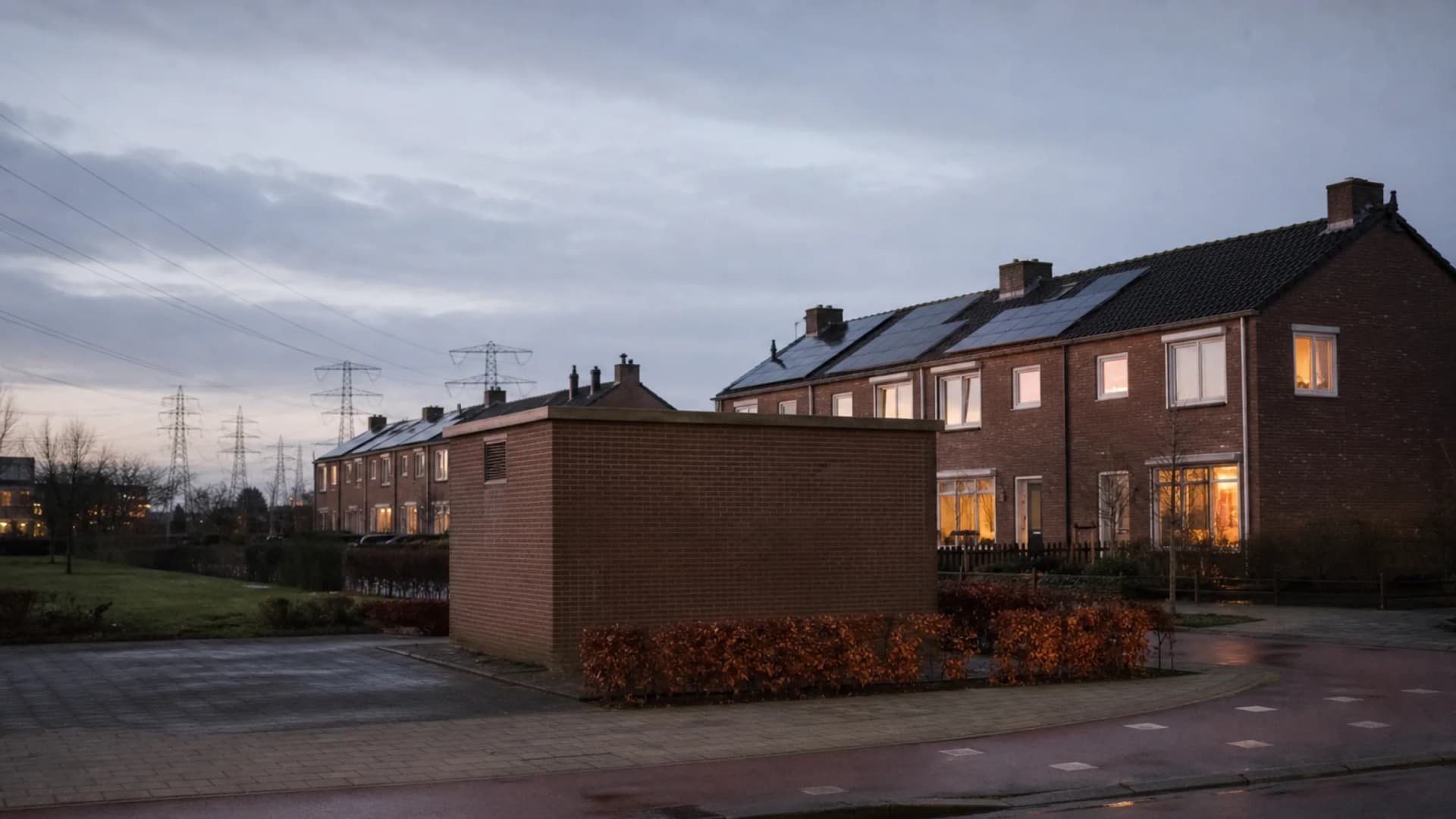
In February 2026 national grid operator TenneT warned that the electricity grid in the Flevopolder, Gelderland and Utrecht had reached its limits. Without extra measures, no new or heavier small-consumer connections would be possible from the summer onwards. Small consumers includes ordinary households.
The government, the grid operators and the provinces split the grid into five congestion areas, freed up capacity for housing and public services, and brought grid expansions forward. In four of the five areas a connection stop has been prevented for now. Those five areas sit around Breukelen Kortrijk, southern Flevoland (including Soest and Bunschoten), the area around Dronten, Harderwijk and Hattem, and Dodewaard and Doetinchem. Where there is no regional stop, the local grid can still be tight; we see that during the survey.
Connection pause in part of Utrecht
For a large part of the province of Utrecht the shortfall was too big. A temporary connection pause has applied there since 1 July 2026: applications for new or heavier connections go on a waiting list until capacity frees up. That affects households and businesses. Housing projects already planned do go ahead; in the region that concerns some 35,000 homes.
The pause is temporary, but without an end date. In October 2026 the grid operators will look at whether capacity can be released per 1 January 2027.
If you want to upgrade your home: a heat pump or EV charger often fits within your existing connection. In that case there is nothing to apply for with the grid operator and the pause does not affect you. We always check this during the survey.
The grid congestion payment: getting paid to help the grid
Besides building more grid, operators buy flexibility from households. Home batteries, EV chargers and heat pumps can shift their use to quiet hours. The grid is busiest between 16:00 and 21:00; outside those hours there is often more room. Households in the FGU region can receive a payment for that through their energy supplier.
How you join
Check your postcode
Check whether your device can be steered
Sign up with your supplier
Payment through your supplier
Taking part is voluntary. The steering happens in the background; in normal use you barely notice it. How that steering works is covered in our explainer on grid control. Where the programme lands, apart from this FGU pause, is in joining grid control.
There is no fixed national rate: the amount and payout differ per supplier and per contract. Expect a bonus on top of what smart steering can earn you, not a business model.
Joining through Frank Energie
SolarFast partners with Frank Energie. We couple HyxiPower and KStar to Frank when you take their dynamic contract or already have one; Dyness through Smart Grid One. Frank takes part in the grid congestion programmes and already has sign-up live for congestion areas in the Flevopolder, Gelderland, Utrecht and North Brabant (East). With Frank Energie's postcode check you can see whether your address lies in a designated area.
For every home battery, EV charger or heat pump that takes part, they settle the grid congestion payment monthly on your bill. Frank says steering starts in November; the app then shows you daily what it earns you. The number of participants per congestion area is capped.
Frank says it steers more than 30,000 customer devices. You remain free to switch energy suppliers, and the devices we install also work without Frank. Already a Frank customer? Then you can activate congestion steering through the app.
Considering a home battery or charger? What to look for
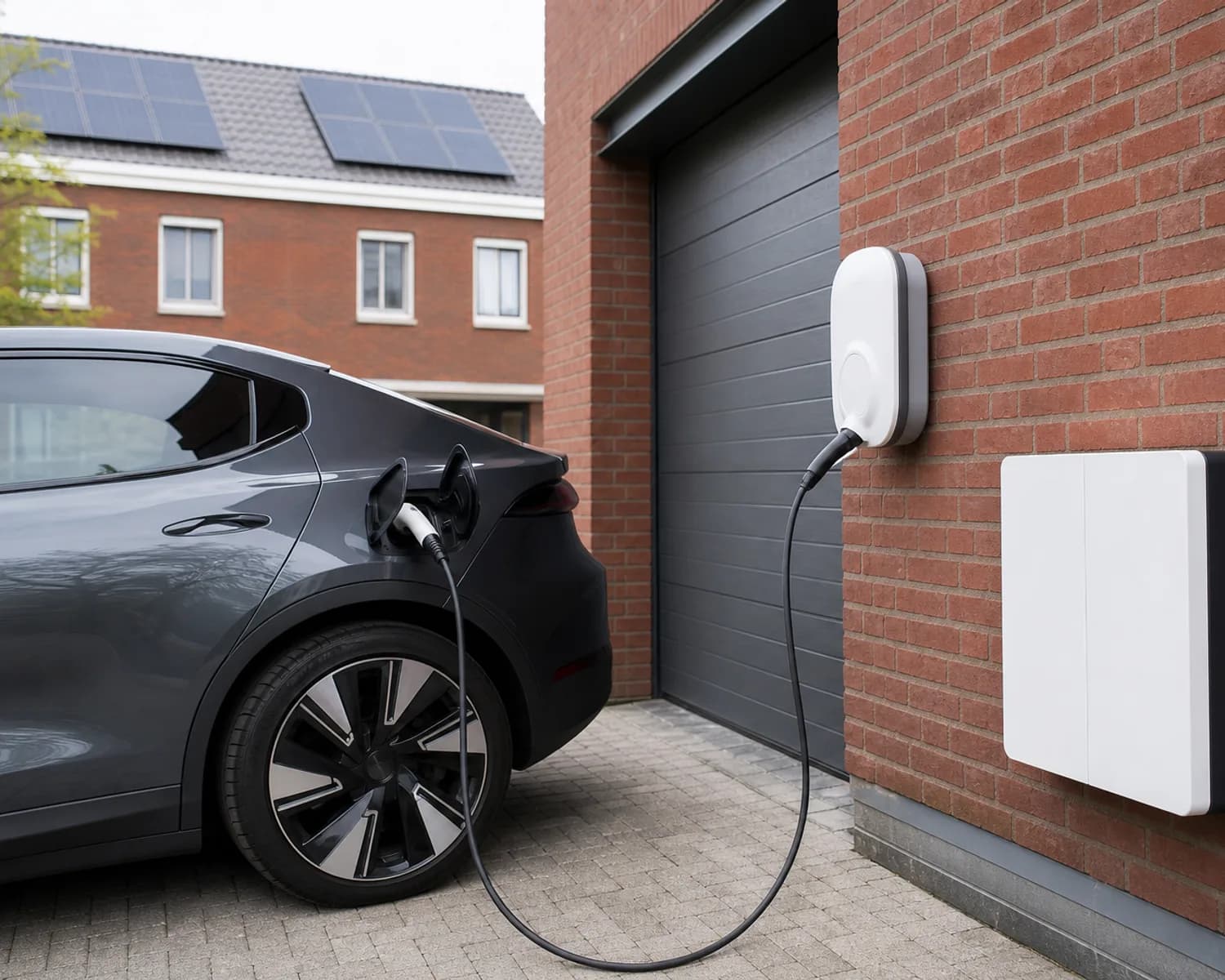
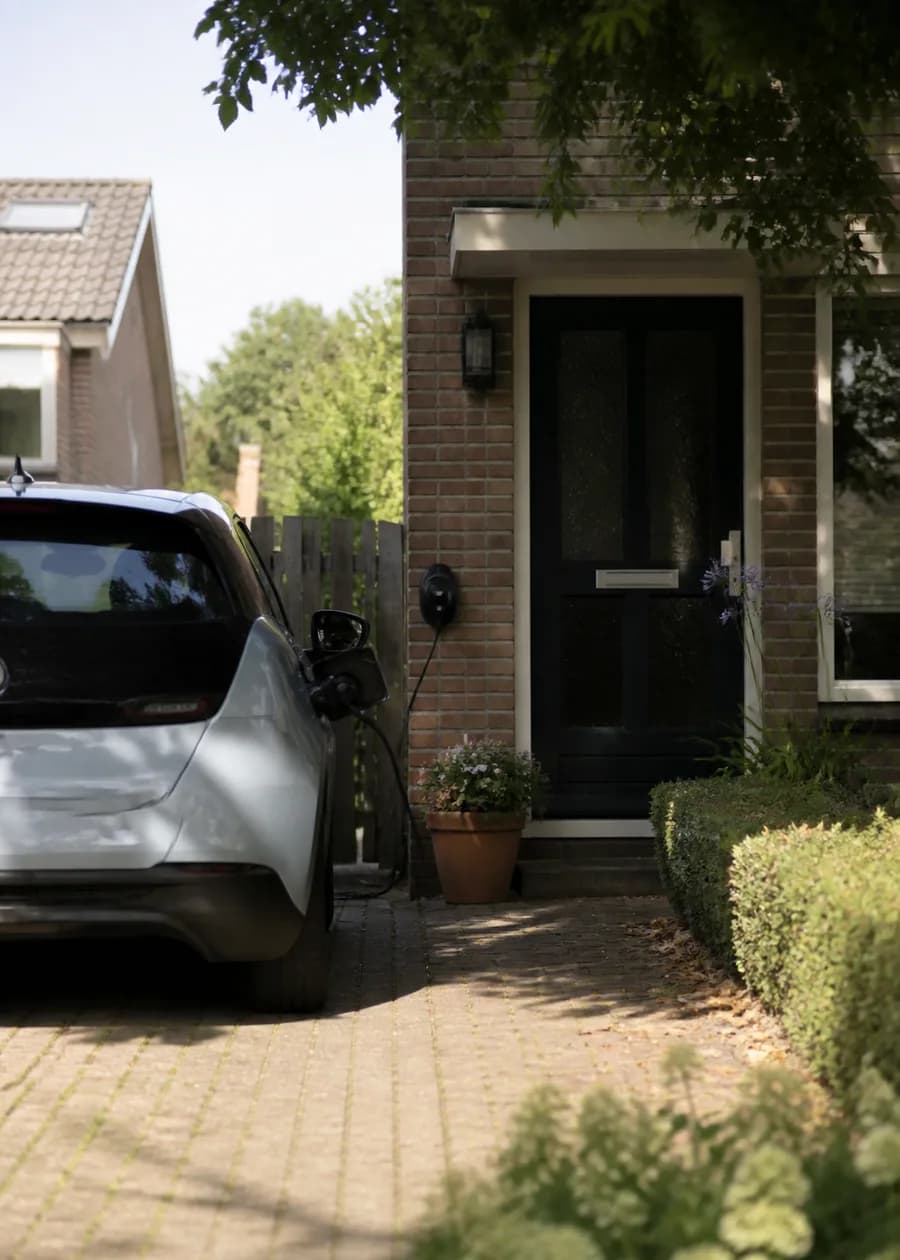
The payment makes steerability a purchase criterion. A home battery, EV charger or heat pump that can be steered remotely can take part. A device that cannot stays outside these programmes. That is why we install steerable brands: HyxiPower and KStar (through Frank on a dynamic contract), Dyness through Smart Grid One, plus compatible chargers.
Part of our service area, including Utrecht, De Ronde Venen and Almere, lies in or against the congestion areas. A steerable setup pays off elsewhere too: the evening peak plays everywhere, and with the end of the net metering scheme, using more of your own power is becoming more important anyway.
Conclusion
Check your postcode, check whether your device is steerable and sign up if you live in a designated area.
Thinking about a home battery, charger or heat pump that can take part? Put your situation to us and we will look at your connection and advise a setup that is ready for steering and payment.
Solar panels are still a smart investment in 2026. A few things matter if you want the most from your own power.
Your energy use
Planning to drive, cook or heat electrically? Factor that into how many panels you install now.
Spread the yield
Spread panels across roof faces so you generate through the day and use more of your own energy.
Your data
Choose a system with its own 4G connection and data storage in Europe so your information stays secure.
Boost your energy
A smart home battery stores today's power for later, so you use more of your own electricity after sunset.

We install your home battery
Usually within three weeks. Our installers fit the battery neatly and safely by your fuse box. We leave your home clean and make sure you know exactly how it all works.
- Charge smart when power is cheap
- Keep power until you need it

Discover what smart energy can do for you
In about an hour you get insight into your savings, the options for your home and when the investment pays back. Straightforward, honest advice so you know exactly where you stand.
Smart energy at home
- Upgrade your home with our smart battery
- Our solar panels deliver up to 25% more energy
- A heat pump to minimise your energy use
- Charge your electric car easily at home with an EV charger
Booking an advice call is easy
Fill in your details below. Within a day we will contact you to schedule a no-obligation advice call together.
Related articles