

What is net metering?
Updated on 8 min read
Net metering means your energy supplier offsets solar you feed back against what you draw from the grid. That scheme ends on 1 January 2027; until then full net metering still applies on your annual statement.
All articles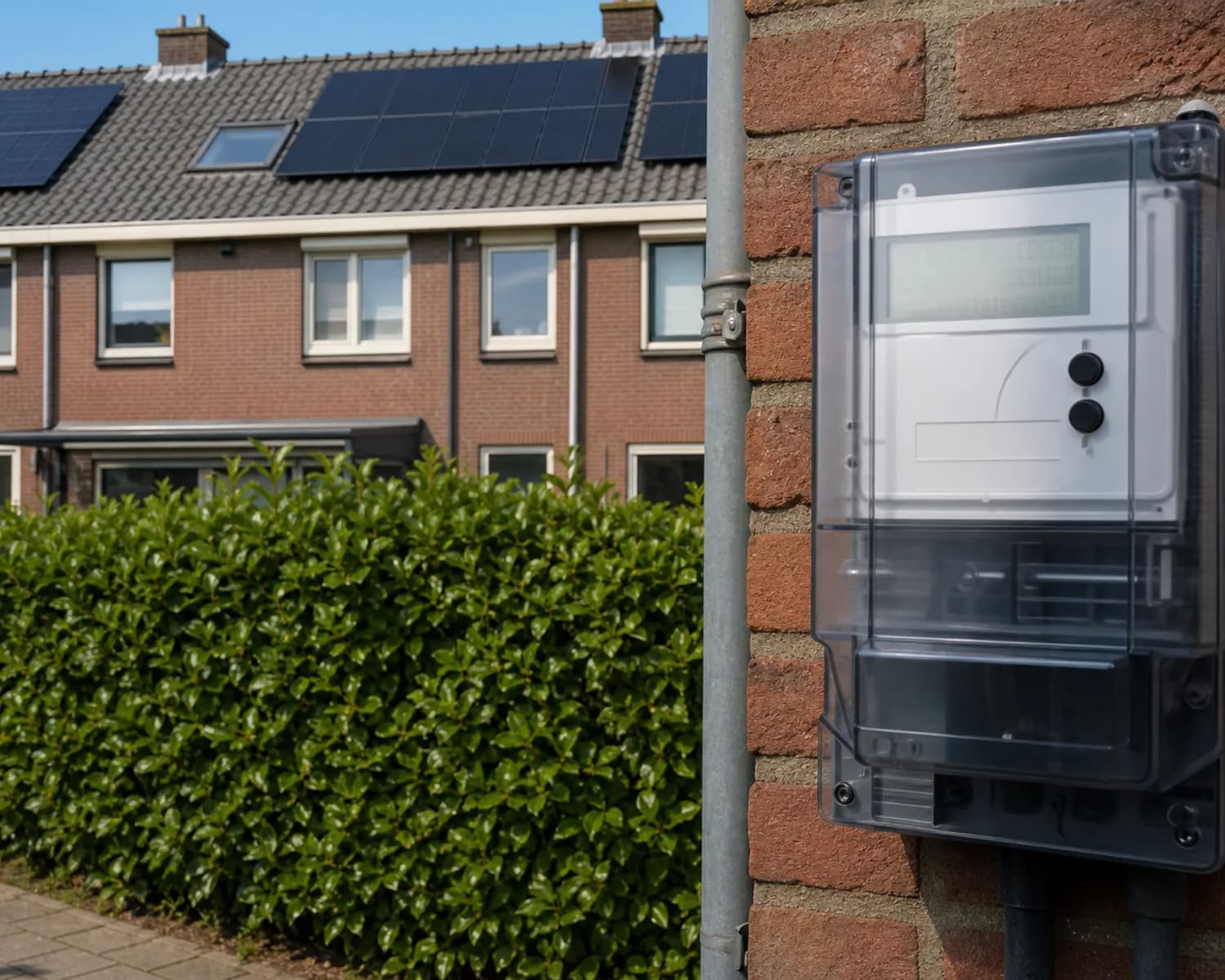
A lot is changing in the energy market, but one thing stays the same: your own power is worth most when you use it yourself. With a smart home battery you still get the most from your solar panels after net metering ends.
What is the net metering scheme?
 Smart home battery
Net metering means your energy supplier offsets power you feed back against what you draw, over the year. With panels you often generate more during the day than you use at that moment. The surplus goes to the grid. In the evening and in winter you draw power from your supplier instead. Net metering balances the two.
Feed back as much as you draw and you pay almost nothing for that part. For the amount you draw beyond what you feed back, you pay your normal rate. Your supplier settles this on your annual statement; you do not need to register for it yourself.
Who qualifies for net metering?
Net metering only applies on a small-connection supply point: the standard for homes up to 3x80 amps. If you have a heavier business connection, different rules apply and you do not fall under this scheme. Feed-in must enter on the same connection where you consume, and you must also actually draw power.
You cannot net meter without consumption. Almost every household with solar panels falls under this scheme, as long as the meter records feed-in separately.
The net metering cap
You cannot net meter without limit. The cap is what you draw from the grid: you offset at most as much feed-in as your meter records as draw that year. Power you use directly while your panels generate never passes the meter, so it does not count here. Feed back more than you draw and the extra amount gets a separate feed-in payment.
That difference matters most when your panels generate far more than you use at home. The more you use while your panels produce, the less you rely on net metering and feed-in payments.
How annual settlement works
Your energy supplier looks at export and draw on your annual statement, as recorded by your meter. While the net metering scheme applies, they settle these including energy tax and VAT. Export is offset against draw, up to at most what you drew from the grid that year.
| Situation | What happens |
|---|---|
| Power you use directly while your panels generate | Never passes the meter. Does not count in net metering. |
| Export up to what you draw from the grid | Offset on the annual statement, including energy tax and VAT. |
| Export above what you draw | No offset: you get paid for the surplus. |
| From 1 January 2027 | No more offsetting. You get paid for what you export. |
Full net metering applies through 31 December 2026. After that, offsetting stops.
Example: say you use 2,200 kWh in a year and your panels generate 3,400 kWh. You use 1,100 kWh directly while the sun is out; that power never passes the meter. You then draw 1,100 kWh from the grid (2,200 minus 1,100) and feed back 2,300 kWh (3,400 minus 1,100). Your supplier offsets 1,100 kWh of export against your draw. For the remaining 1,200 kWh you get paid for the surplus.
How much you gain in the end depends on how well your use matches your generation. A smart meter records draw and export separately so the annual statement is correct.
Feed-in payment and feed-in charges
If you feed back more than you draw, your supplier pays a feed-in payment for that surplus. The Energy Act (Energiewet), which replaced the old Electricity Act on 1 January 2026, requires that payment to be reasonable. From 1 January 2027 a legal floor also applies: at least 50 percent of the bare supply rate, at least until 2030. The amount differs by supplier and is set out in your contract, usually lower than the rate you pay to draw power.
More suppliers also charge feed-in costs: a fee for processing power fed back to the grid. Those costs are in your contract too. Sometimes the feed-in payment after those charges is lower than you expect. Which forms exist and how to limit them is covered on our page about feed-in charges. Compare contracts and check the terms before switching.
The Netherlands Authority for Consumers and Markets (ACM) supervises reasonable tariffs. If in doubt, compare your contract with the rules on net metering.
Smart meter and feed-in
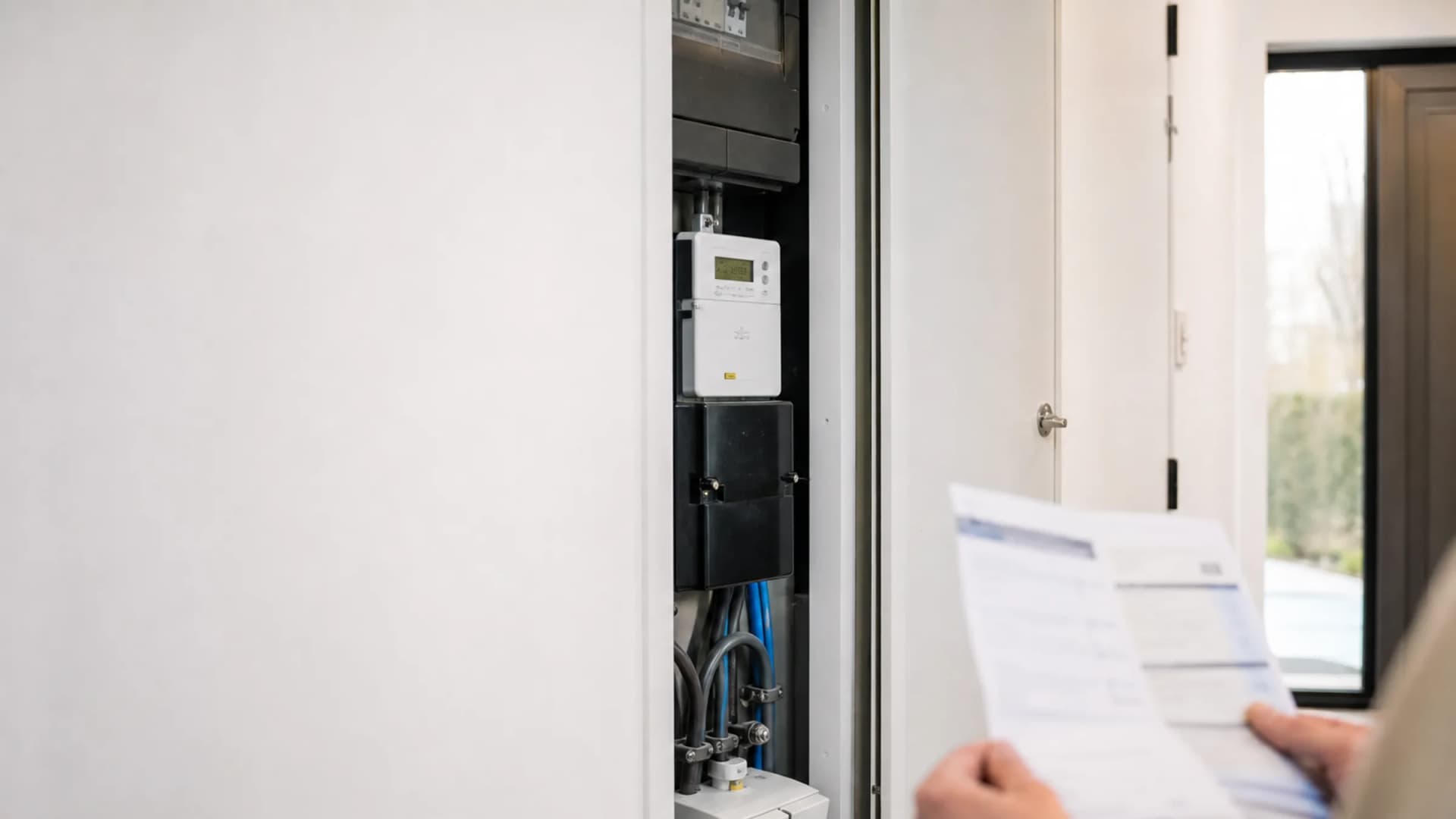
To feed back and net meter you need a meter that records draw and feed-in separately and passes those readings to your supplier. A smart meter does that automatically. Via the P1 port you can read that data yourself, for example for an energy monitor or home battery.
Still on an old spinning meter? It does not record feed-in reliably enough for correct settlement. If unsure, check with your grid operator or supplier which meter you have and whether replacement is needed.
The scheme is changing: what does that mean?
Net metering ends on 1 January 2027. Up to and including 31 December 2026 you can still net meter in full on your annual statement. After that your supplier no longer offsets feed-in against draw; you receive a feed-in payment for what you export. The government chose to end the scheme in one step, not to phase it down gradually from 2025. What that means for your bill is on our page about net metering ending in 2027.
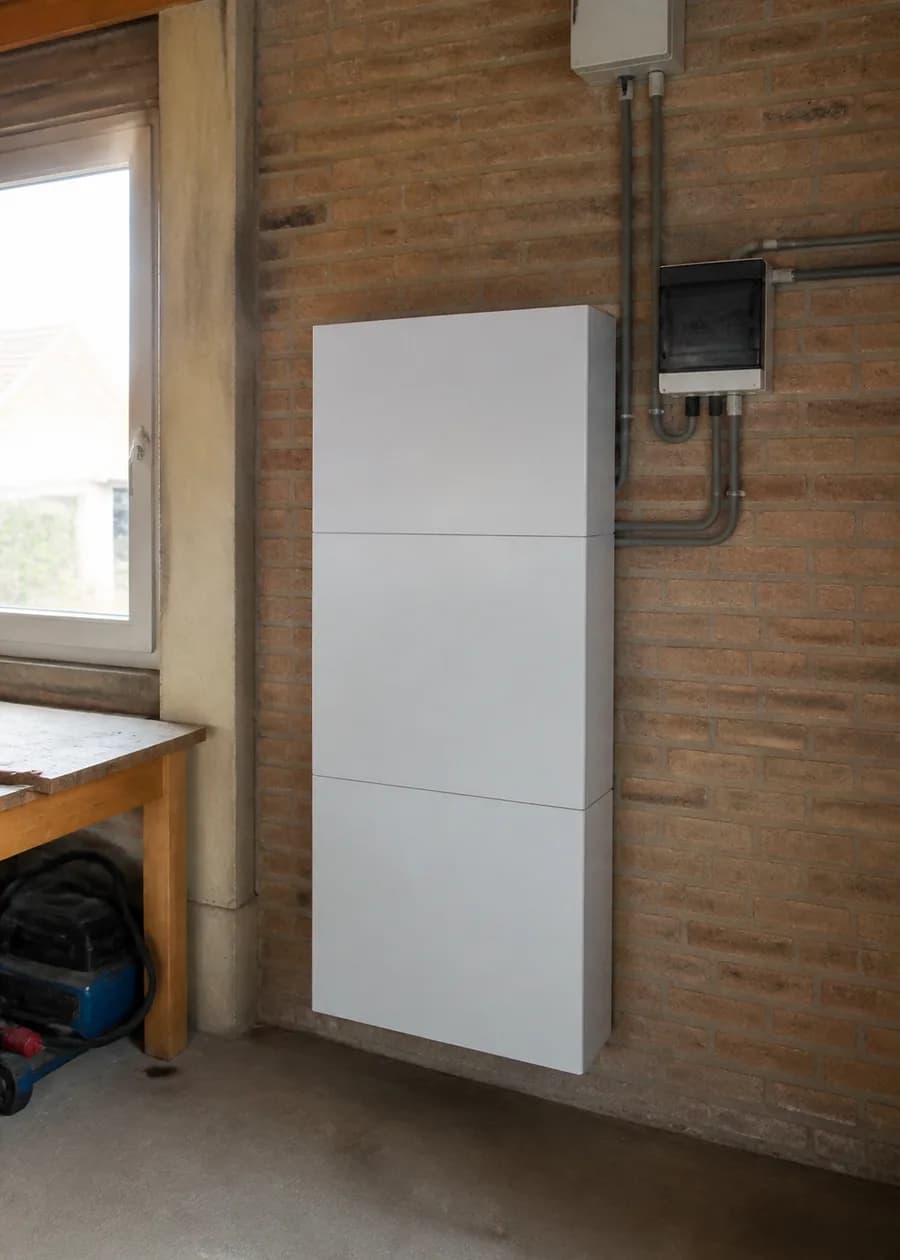
What you can already do: use more of your own power directly. Running appliances during the day helps. A home battery stores surplus for the evening so you depend less on feed-in. Whether that pays off depends on your use, tariff and setup.
Unsure what this means for your meter and contract? Ask us and we look at your use and tariff with you.
Net metering and your SolarFast installation
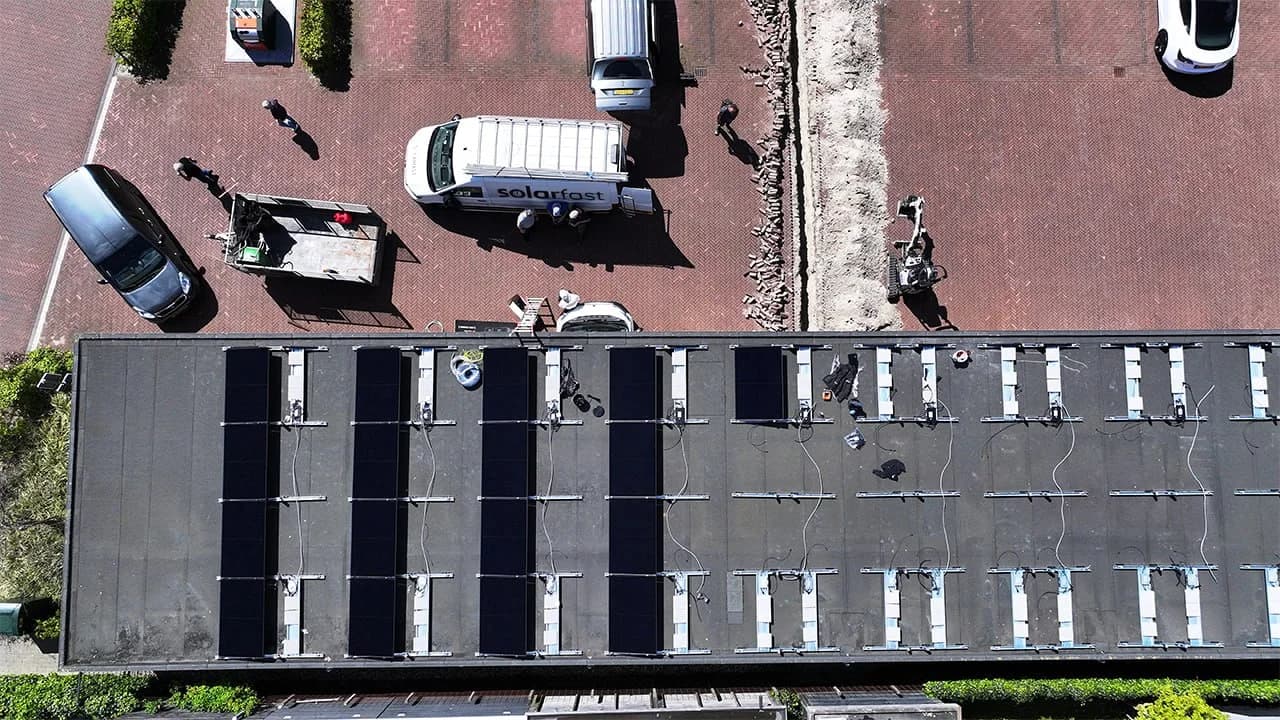
At SolarFast we check your fuse box, smart meter and whether feed-in is recorded separately during the site survey. That avoids surprises on your annual statement. If you do not yet have a suitable meter, we discuss what is needed before we install panels.
In your quote we calculate payback based on your use and tariff, not fixed assumptions that may be outdated tomorrow. Considering a home battery? See our comparison with and without a battery, or ask for advice with your quote.
Think ahead about your future electricity use
How many solar panels you need depends on your electricity use. Look at your current annual use on your energy bill, but also think ahead. For example if you switch to an electric car, add a home battery, or use more power because your household grows.
All of these changes can raise your use. Factoring them in now keeps your installation from being too small later.

Your smart-energy system grows with you
In a consultation we look not only at your current use, but also at what you can expect in the coming years. That way you get an installation that stays the right choice for years.
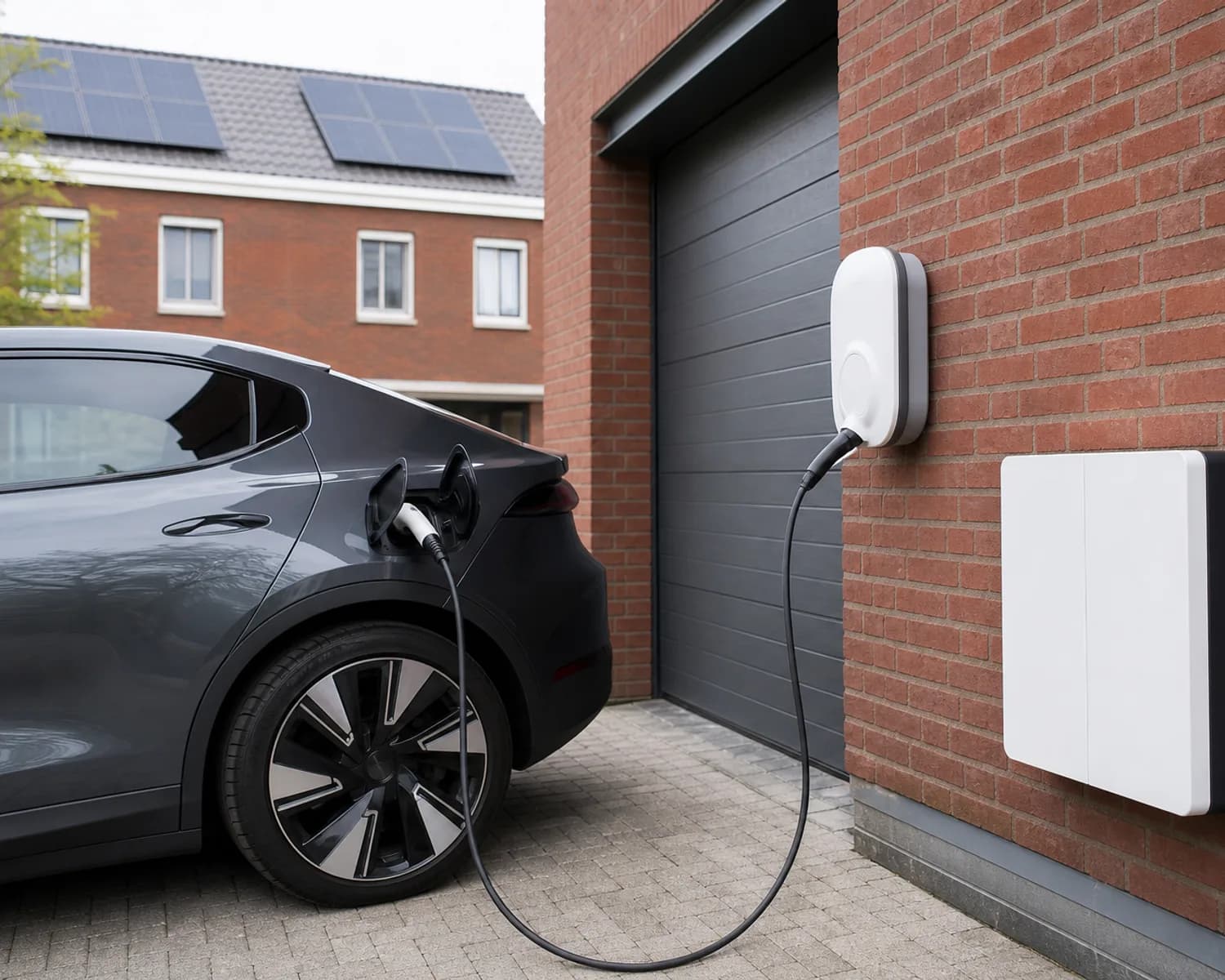
You can add a home battery, EV charger or heat pump later. We account for that in the meter cupboard and inverter choice.
We stay with you after the solar panels are installed
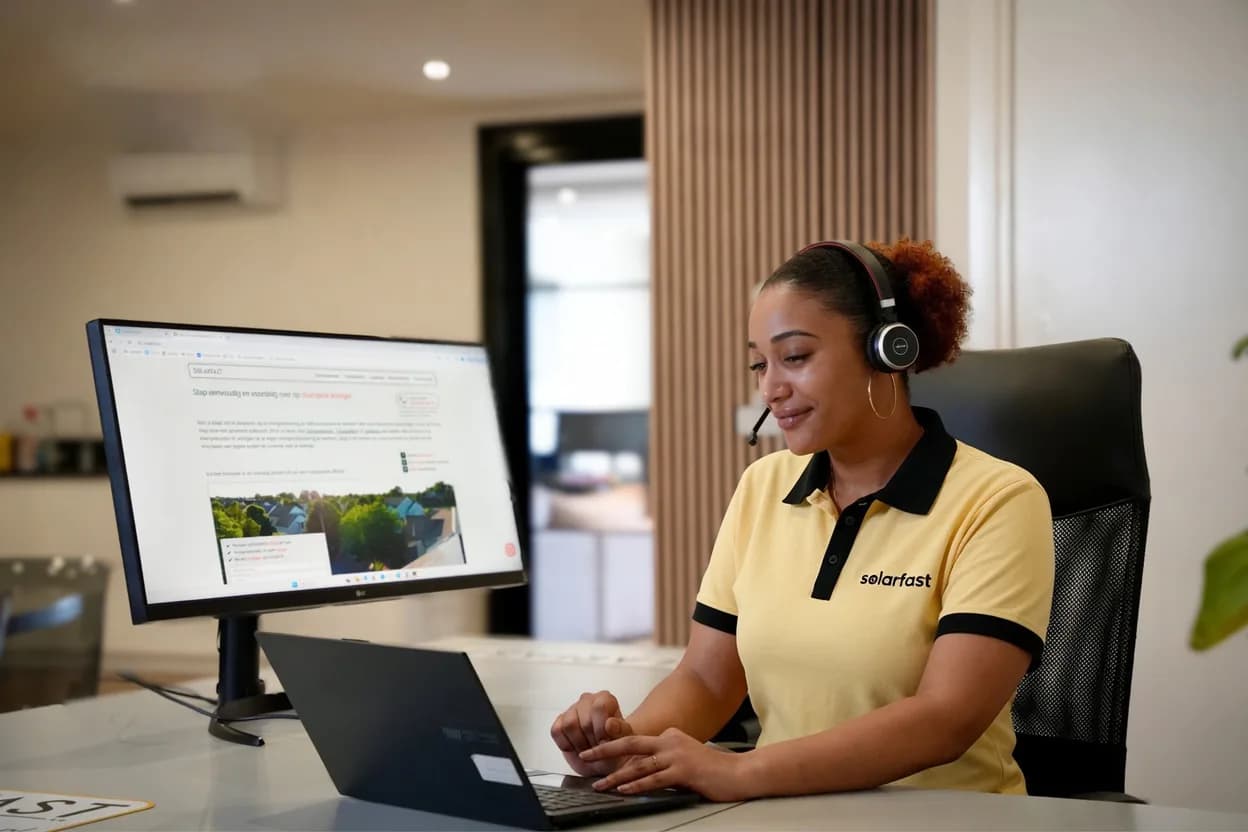
After installation we leave your home clean and explain how everything works. If you later have a question about your yield or net metering, our helpdesk can help.
You are left not with a technical story, but with an installation you understand that fits how you use power at home.
Solar panels are still a smart investment in 2026. A few things matter if you want the most from your own power.
Your energy use
Planning to drive, cook or heat electrically? Factor that into how many panels you install now.
Spread the yield
Spread panels across roof faces so you generate through the day and use more of your own energy.
Your data
Choose a system with its own 4G connection and data storage in Europe so your information stays secure.
Boost your energy
A smart home battery stores today's power for later, so you use more of your own electricity after sunset.

We install your solar panels in a day
We can often start within three weeks. A day later your panels are on the roof and everything is connected. We leave your home clean and make sure you know exactly how it all works.
- Use more of your own power during the day
- 0% VAT makes the investment even more attractive
Frequently asked questions
Net metering means your supplier offsets solar you feed back against what you draw. On balance you only pay for what you net from the grid.
The scheme under which your energy supplier offsets power you feed back against what you draw. On balance you only pay for what you net from the grid.
Your supplier settles feed-in and draw on your annual statement. Up to what you draw from the grid both are offset; beyond that you receive a feed-in payment.
The same net metering scheme: the rules for offsetting power your solar panels feed back against your draw over the year.
The statutory net metering scheme ends on 1 January 2027. Up to and including 31 December 2026 full net metering still applies. After that you receive a feed-in payment instead of offsetting.
It is what your supplier pays for power you feed back beyond what you draw from the grid. It is usually lower than the rate you pay to draw power.
You can net meter up to what you draw from the grid that year at most. Feed back more than you draw and the surplus gets a feed-in payment instead of net metering.
These are costs your supplier charges for processing power fed back to the grid. They are in your contract and differ by supplier. Subtract them from your feed-in payment to see what you keep net.
If you have a standard home connection up to 3x80 amps, you are a small consumer and may net meter. Heavier connections follow different rules.
Solar panels can still pay off after 2027, but how much depends on your use, tariff and self-consumption. Until end 2026 you still benefit from full net metering. After that the focus shifts to using your own power, for example with a home battery or timing use during the day.
Your supplier settles it automatically on your annual statement. Make sure you have a meter that records feed-in separately. If in doubt, we help you with that during the site survey.

Discover what smart energy can do for you
In about an hour you get insight into your savings, the options for your home and when the investment pays back. Straightforward, honest advice so you know exactly where you stand.
Smart energy at home
- Upgrade your home with our smart battery
- Our solar panels deliver up to 25% more energy
- A heat pump to minimise your energy use
- Charge your electric car easily at home with an EV charger
Booking an advice call is easy
Fill in your details below. Within a day we will contact you to schedule a no-obligation advice call together.
Related articles