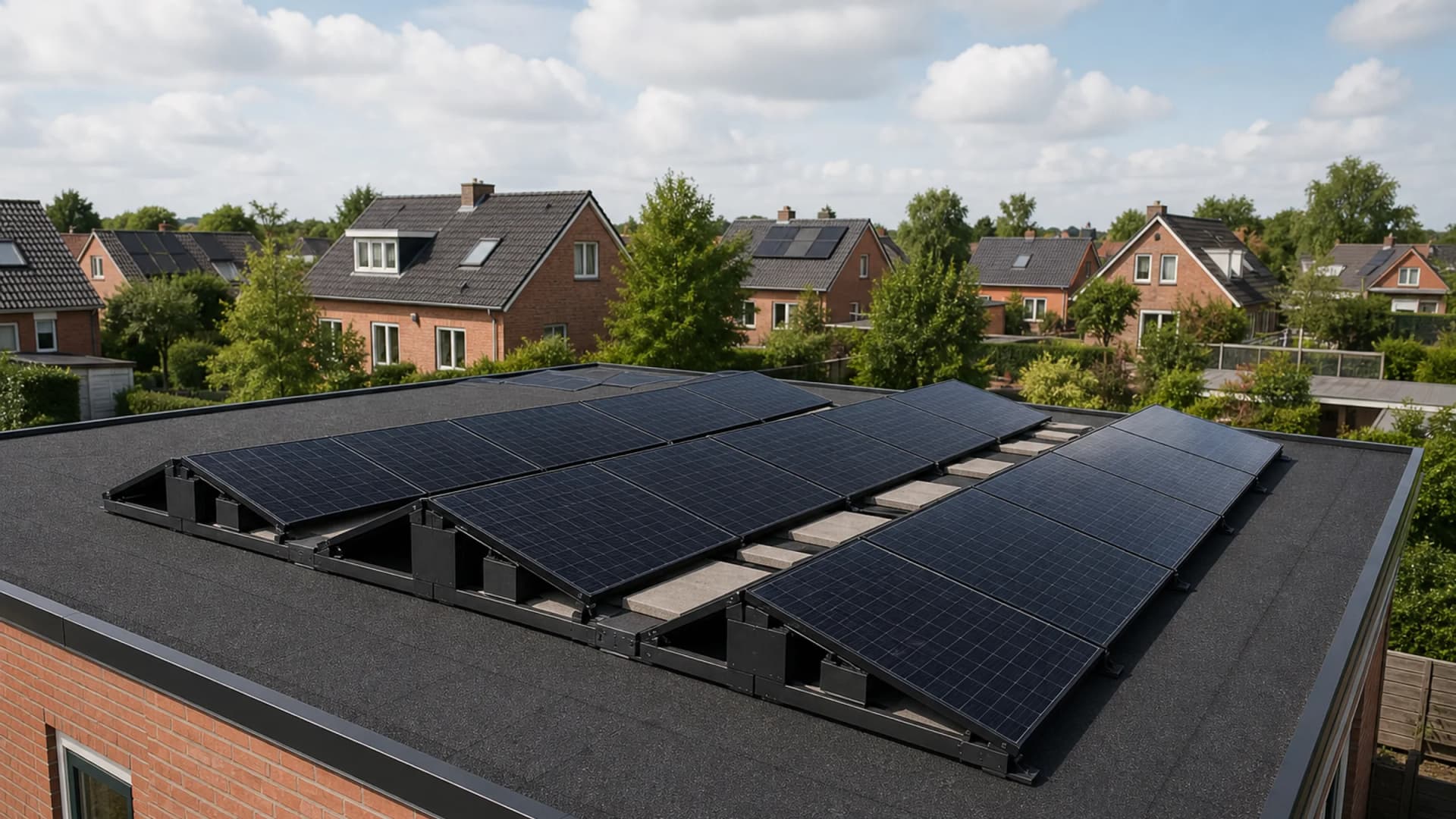

What is a solar optimizer?
Updated on 4 min read
A solar optimizer (also a power optimizer) is a small box per panel that limits shade loss. When it makes sense, and when it does not.
All articles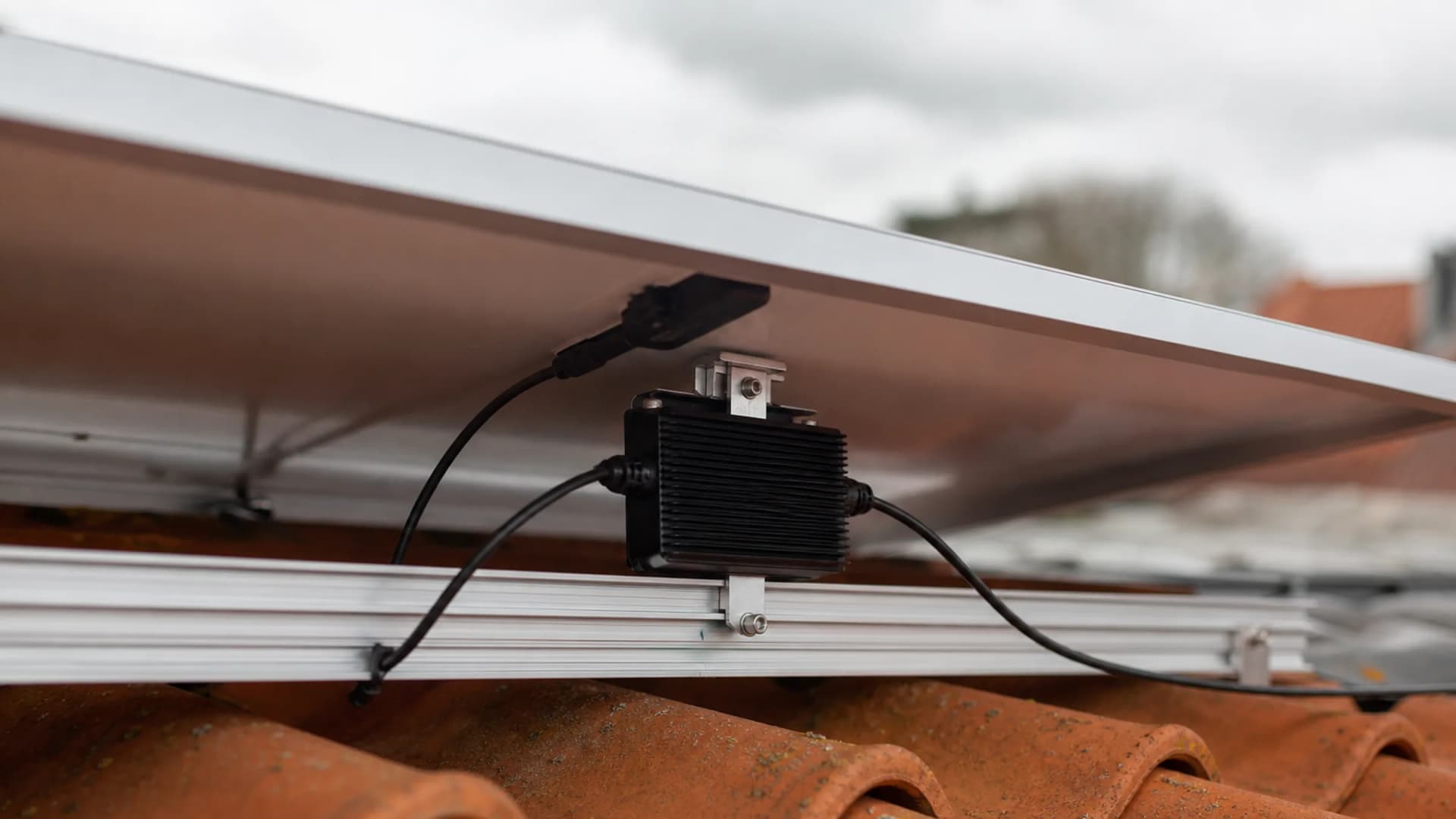
A solar optimizer is a small box behind a panel that manages current and voltage there, while a central inverter still does the conversion. Also called a power optimizer. Useful with shade or multiple roof sections; on a shade-free roof with one section you usually do not need one.
What does a solar optimizer do?
 Solar panels
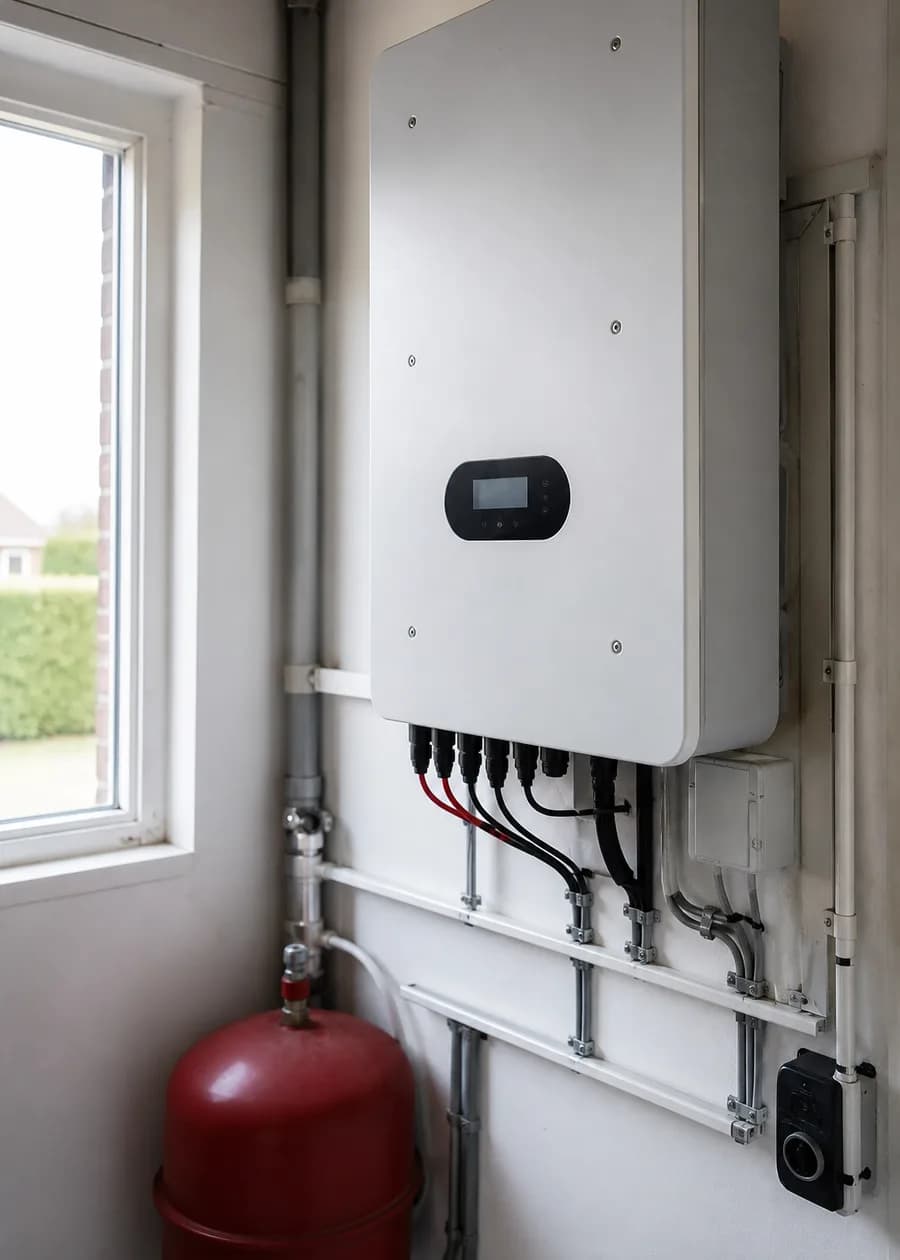
Solar panels on a string inverter hang together in series: if one panel underperforms, for instance in shade, it drags the whole string down. A solar optimizer prevents that. The box, also called a power optimizer, sits behind it and manages the balance between current and voltage there, so each one keeps its own optimal working point. Search queries sometimes show the misspelling optimezer; it is the same box. Converting direct current to alternating current remains the job of the central inverter.
That makes the optimizer a middle ground: it solves the same shade problem as micro-inverters, but without putting a complete inverter behind every panel on the roof. Usually that is cheaper.
When do optimizers make sense?
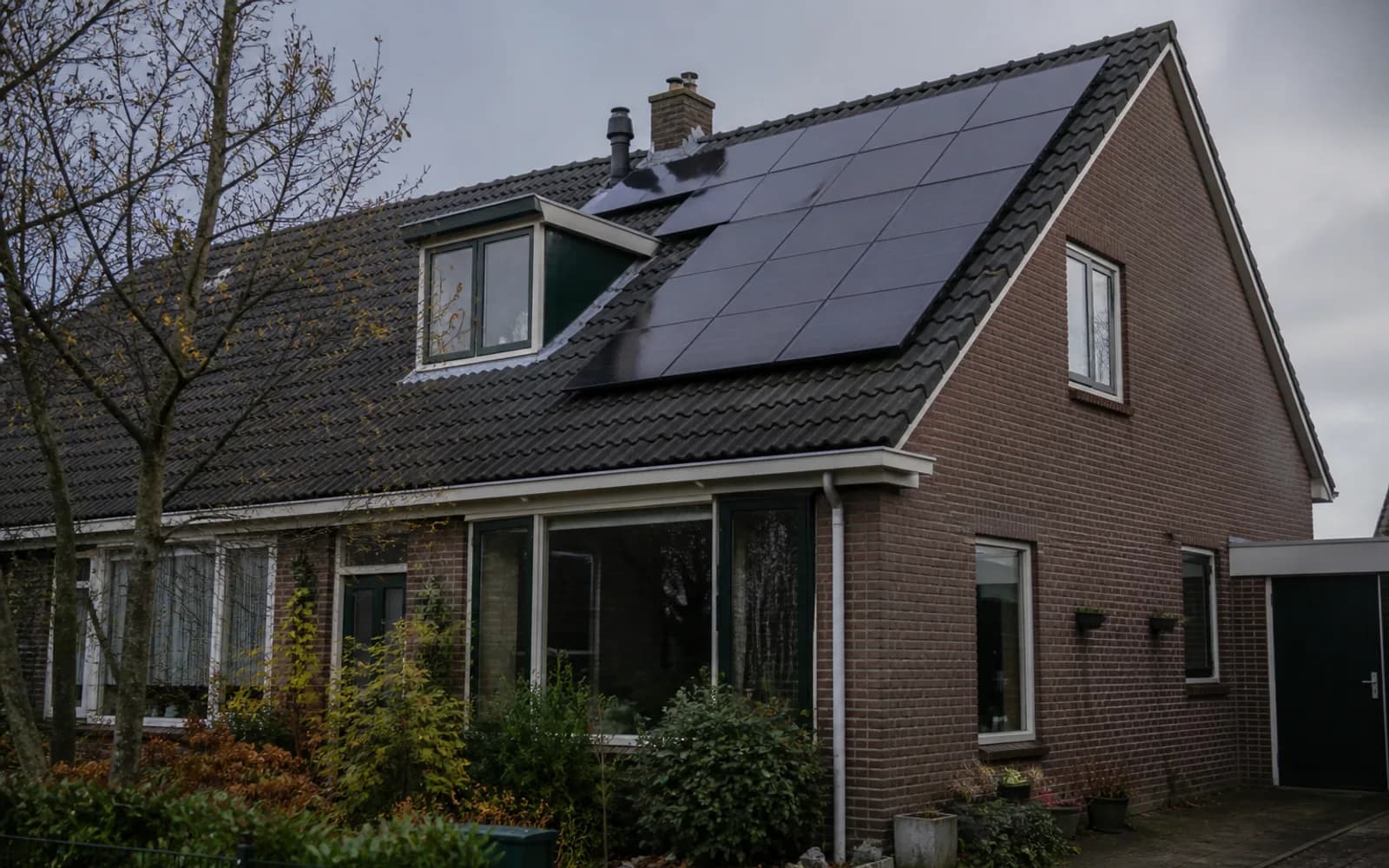
From our roof surveys, three situations earn back the premium. Structural shade on part of the panels: a chimney, dormer or tree that hits a few panels every day. Panels across multiple roof sections or orientations, because east and west peak at different moments. And one awkward spot on an otherwise shade-free roof: then you can fit optimizers only on the affected panels instead of rebuilding the whole system.
Just as important is the reverse conclusion: on a shade-free roof with one section, optimizers add little. The string already performs evenly and the premium does not earn itself back. How much shade really costs is covered under solar panel yield.
Optimizer, micro-inverter or neither?
| Bare string | String + optimizers | Micro-inverters | |
|---|---|---|---|
| Shade loss | Whole string affected | Mostly recovered | Recovered per panel |
| Monitoring | System as a whole | Per panel | Per panel |
| Electronics on the roof | None | Box per panel | Inverter per panel |
| Premium | None | Limited | Higher |
The full trade-off is in our comparison string inverter vs micro-inverter.
Which route fits depends on the roof, not on a preferred brand. Rule of thumb from our practice: no shade and one roof section means a bare string; a single awkward spot means string with optimizers on the affected panels; heavy shade or scattered roof sections means micro or fully optimized.
Per-panel monitoring
A side benefit: with optimizers the app shows the performance of each panel separately. A dirty or faulty panel stands out immediately, where on a bare string it hides in the total. For anyone who wants to follow their system closely that is a reason in itself, though shade remains the main argument.
How SolarFast advises on this
During the roof survey we check where shade falls and at which moments of the day. That decides whether optimizers make sense, and if so, on which panels. On flat roofs this matters less: there we almost always lay panels shade-free in an east-west or south layout. Want to know what fits your roof? Request a quote via solar panels; the optimizer advice is a standard part of the survey.
Solar panels are still a smart investment in 2026. A few things matter if you want the most from your own power.
Your energy use
Planning to drive, cook or heat electrically? Factor that into how many panels you install now.
Spread the yield
Spread panels across roof faces so you generate through the day and use more of your own energy.
Your data
Choose a system with its own 4G connection and data storage in Europe so your information stays secure.
Boost your energy
A smart home battery stores today's power for later, so you use more of your own electricity after sunset.

We install your solar panels in a day
We can often start within three weeks. A day later your panels are on the roof and everything is connected. We leave your home clean and make sure you know exactly how it all works.
- Use more of your own power during the day
- 0% VAT makes the investment even more attractive
Frequently asked questions
A small box behind the module that manages current and voltage there, so shade on one does not drag the rest of the string down. The inverter still does the conversion centrally. Same box as a power optimizer. On a shade-free roof with one section you usually do not need one.
Yes. Optimezer is a misspelling of optimizer, the box behind a solar panel that limits shade loss. Manufacturers also call it a power optimizer. Converting to alternating current remains the job of the central inverter.
The premium is per panel and limited compared with micro-inverters. The exact amount depends on brand and quantity; our quote itemises it, only for the panels that need one.
No. On a shade-free roof with one section, a bare string inverter already performs evenly and the premium does not earn itself back.
That depends on the system. With some brands you can fit optimizers only on the shaded panels; other systems require one on every panel. We include this in the advice.
No. An optimizer manages current and voltage per panel, but the conversion to alternating current happens centrally. A micro-inverter also does the conversion, per panel on the roof. Micro is more complete but more expensive.
Optimizers sit on the roof and are built for it, but they remain electronics: warranty terms differ per brand and are a fixed part of our quote comparison. Always ask what applies per component.

Discover what smart energy can do for you
In about an hour you get insight into your savings, the options for your home and when the investment pays back. Straightforward, honest advice so you know exactly where you stand.
Smart energy at home
- Upgrade your home with our smart battery
- Our solar panels deliver up to 25% more energy
- A heat pump to minimise your energy use
- Charge your electric car easily at home with an EV charger
Booking an advice call is easy
Fill in your details below. Within a day we will contact you to schedule a no-obligation advice call together.
Related articles