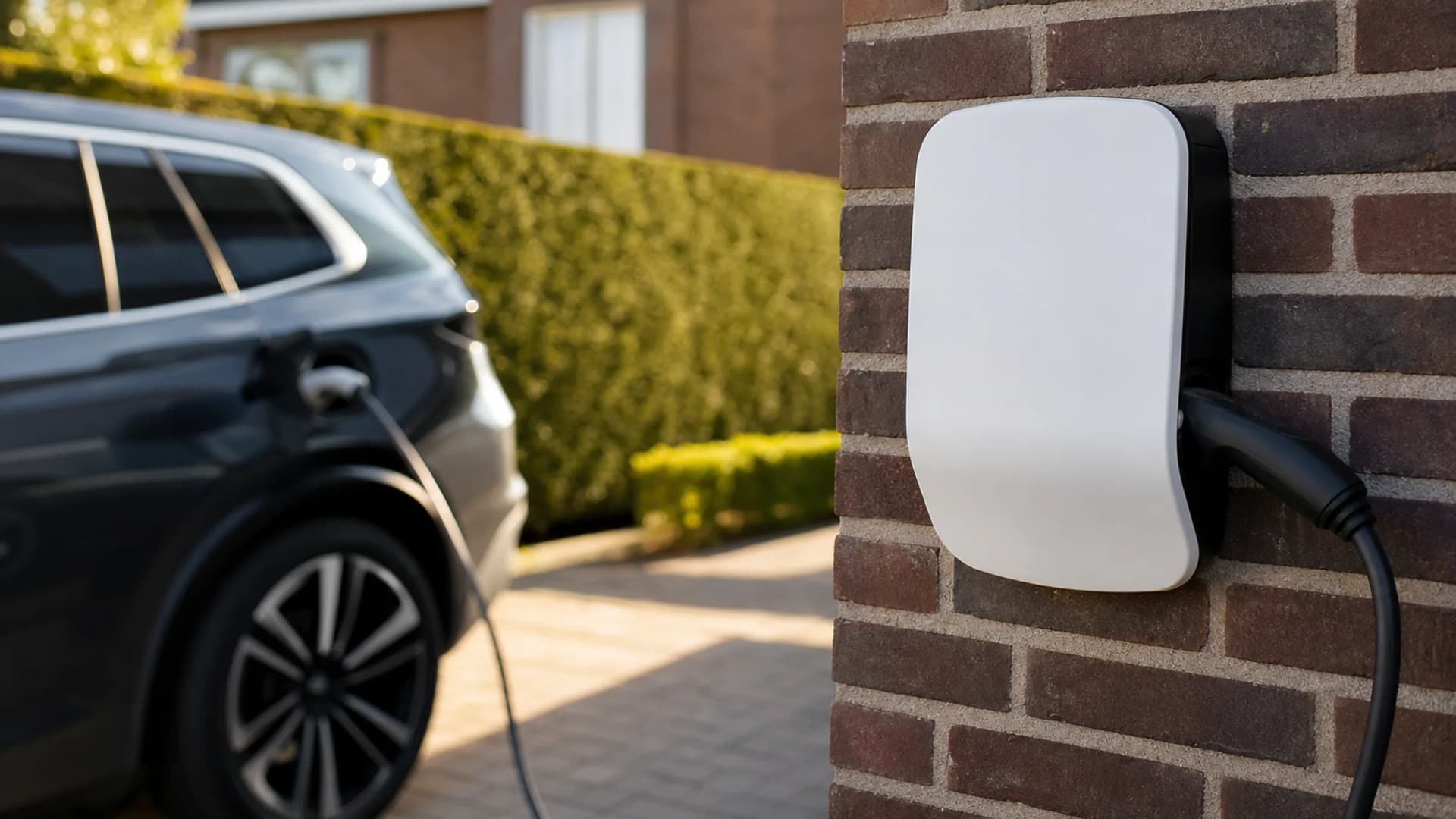
Matched to
your home
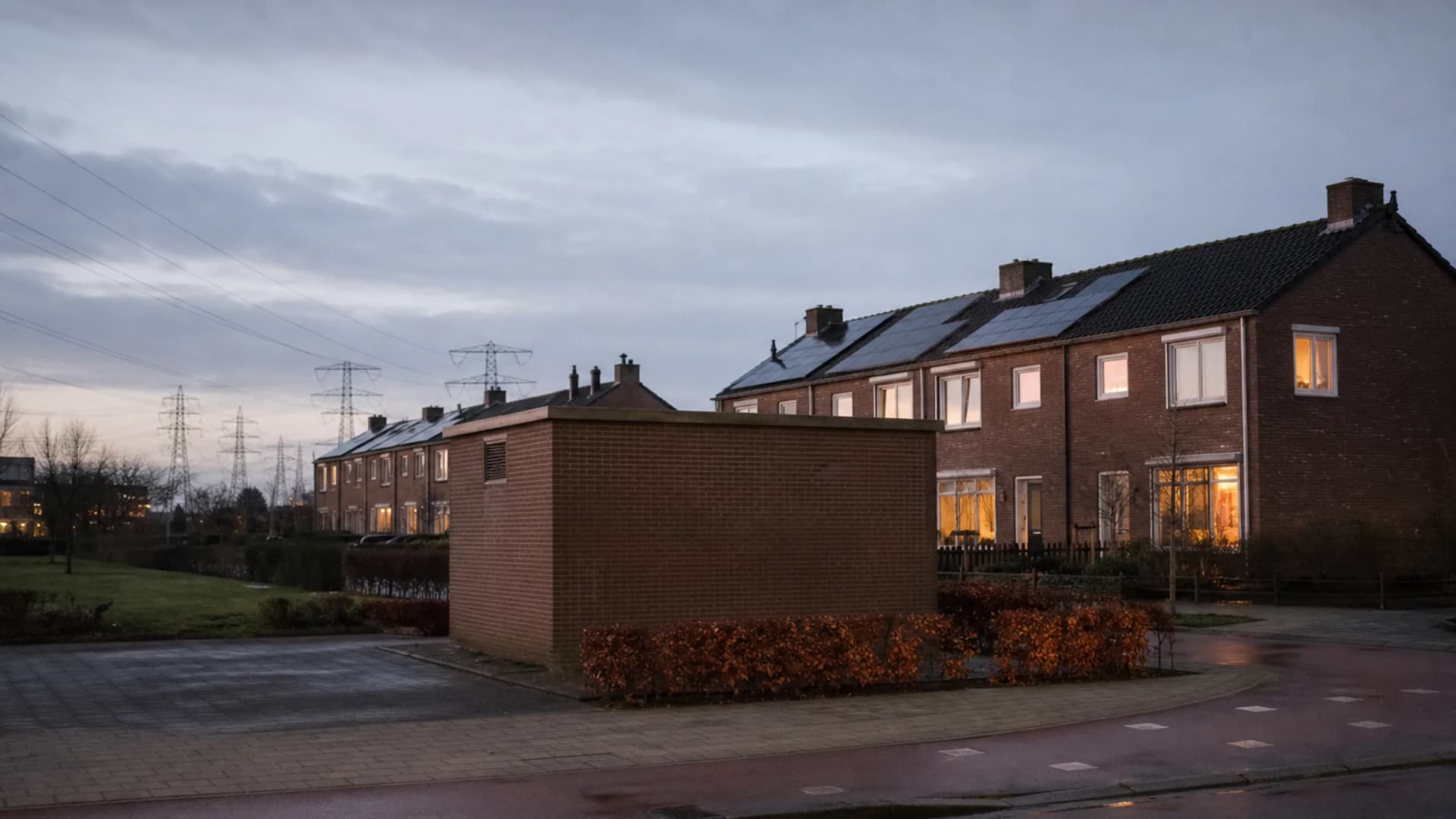
Suitable load balancing helps prevent overloading your connection. Electrical protection is still required.


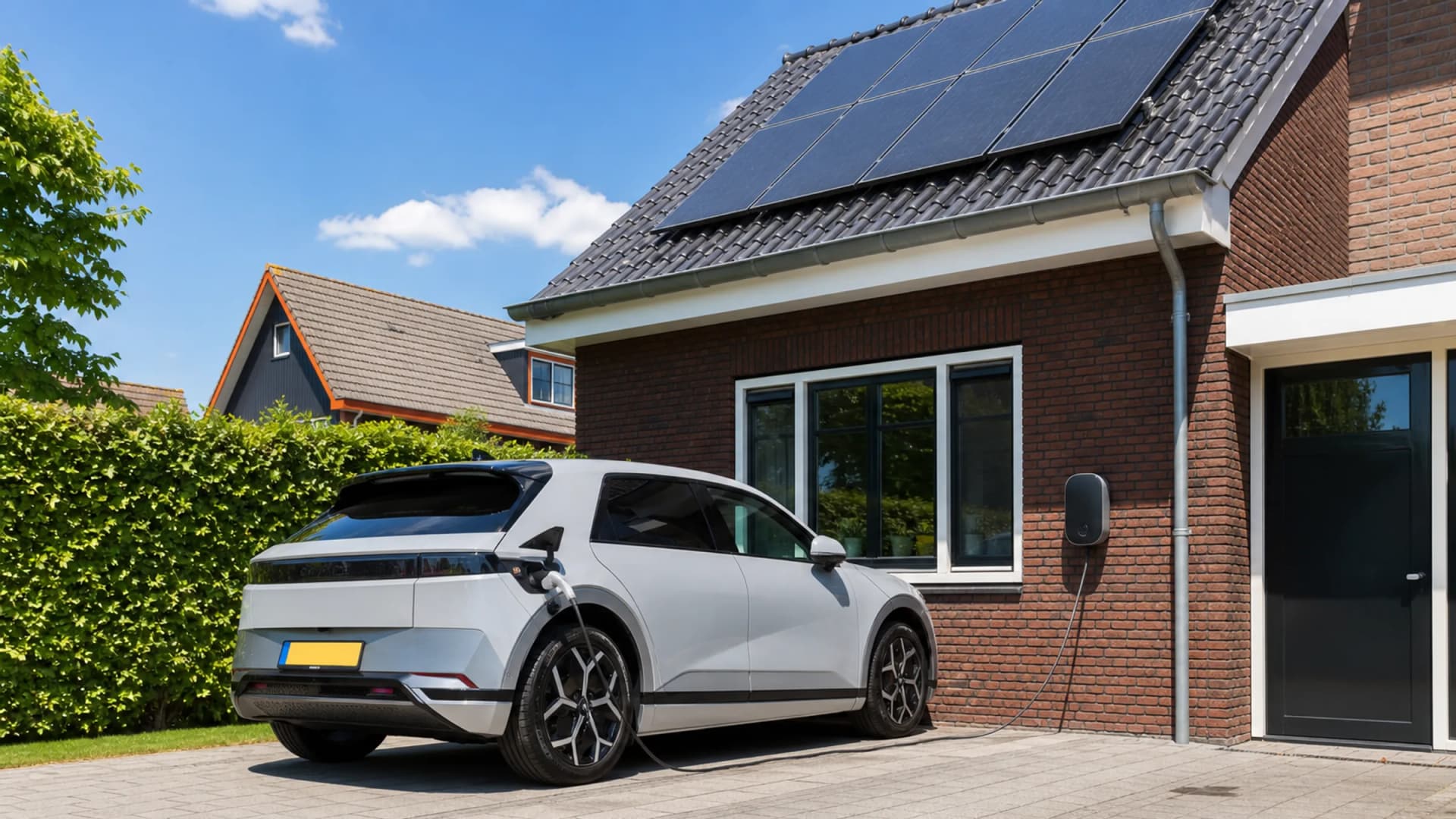
Your car charges while you are at home. We consider the charger that suits your car, connection and driving times.
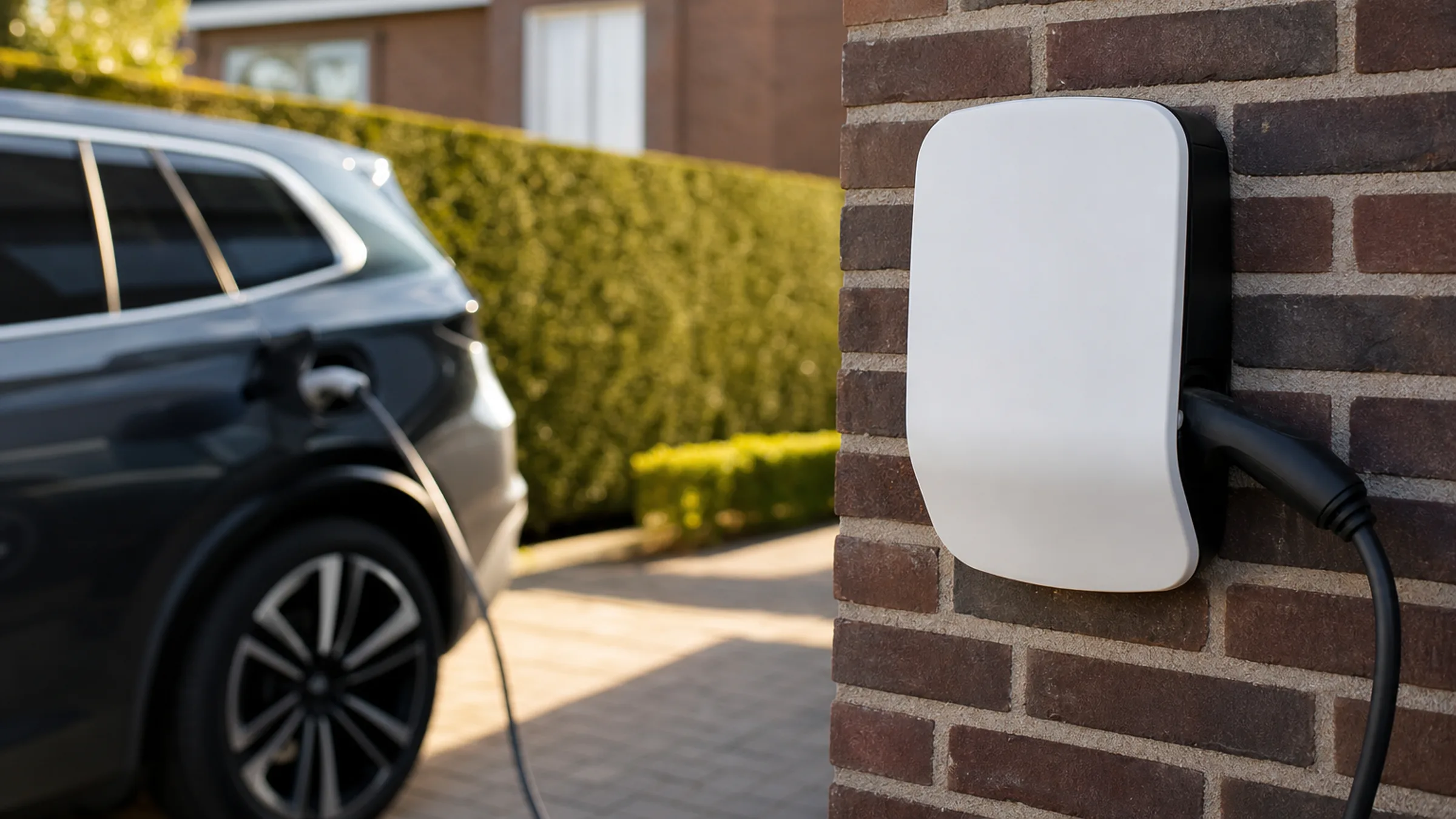
Your own charging spot
No detour to a charging point when you can charge at home. Plug in and let your car charge while you do something else. Your parking spot, mileage and the time your car spends there together determine what makes sense.
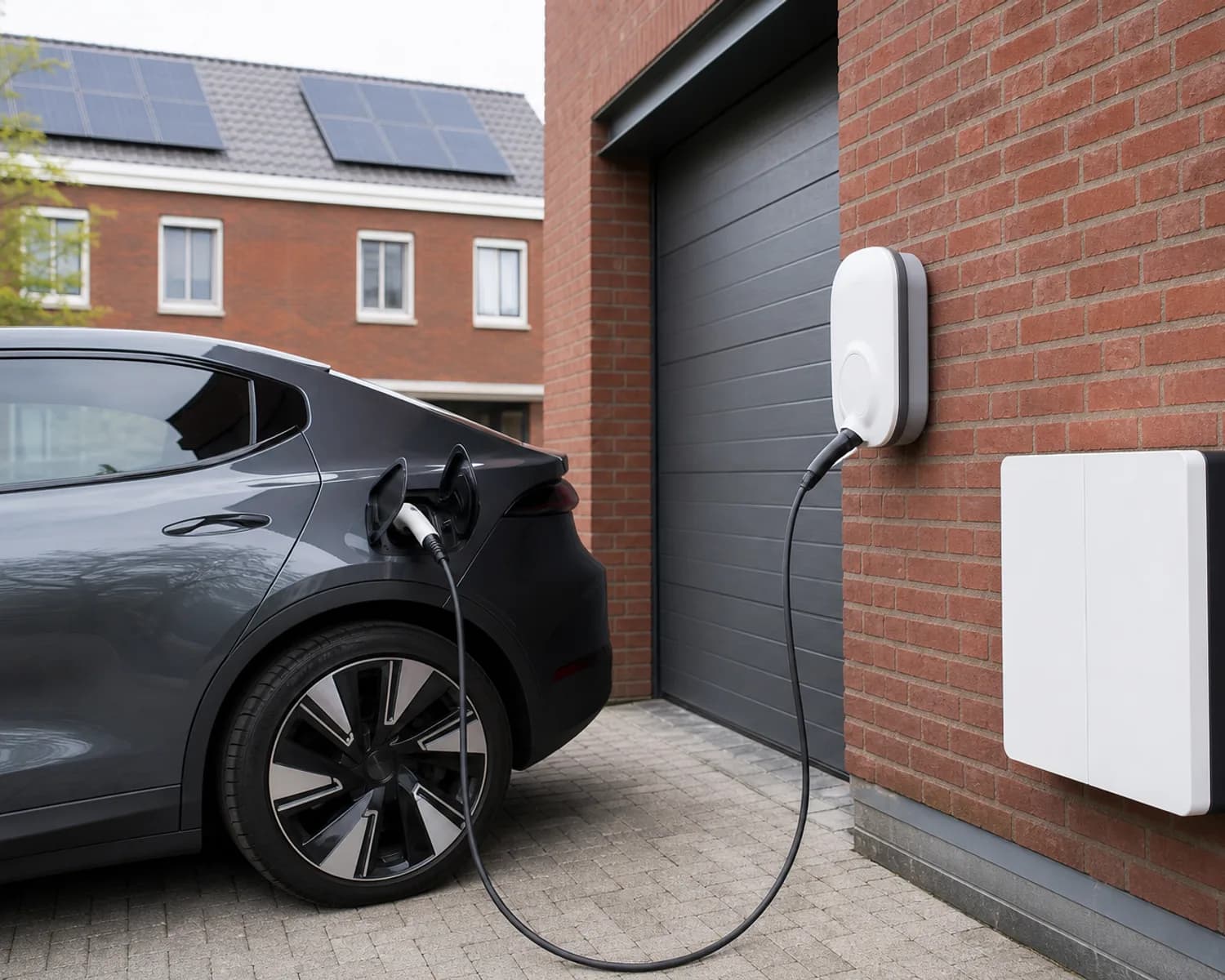
We look at your car, consumer unit and a position on the wall or a post. That helps you choose a charger and installation that suit your everyday use.
Your car shares its connection with the rest of your home. The car and available power together limit charging speed. We assess suitable power and the metering or load balancing you need.
Suitable load balancing helps prevent overloading your connection. Electrical protection is still required.
Have solar panels? Suitable metering and controls let you charge when power remains after household use.
Your home, your use
Your car, consumer unit and charging times together determine what works. Are you at home during the day and can your car stay plugged in? Then we can consider charging on available solar power.
Automatic surplus charging requires suitable metering and controls. Zaptec Sense is an additional component, with current software and a supported Dutch Home/TN installation required. We check which setup suits your home and car.
A higher charger maximum does not automatically make your car faster. Your car, cable and connection determine what you use.
Discuss the route from consumer unit to parking spot beforehand. Length, mounting and any groundwork affect cost.
Load balancing adjusts charging to your home’s use. Required electrical protection remains part of the installation.
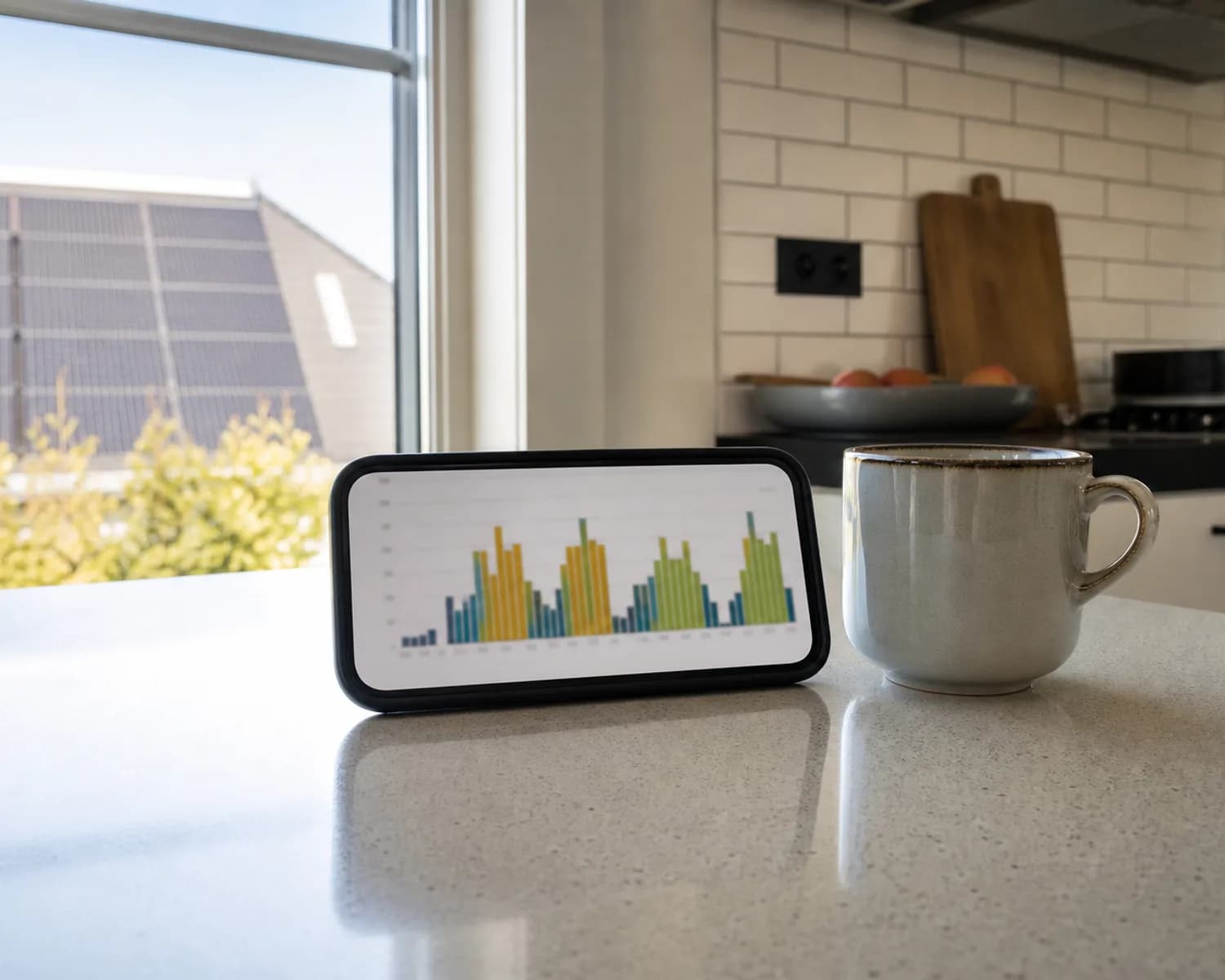
Want to see charging history or give others access? Include the controls and any services you want in your proposal.
From choice to first charge
We discuss where you park and how far you drive, then assess the connection, consumer unit and cable route. A site survey follows where needed. You receive a proposal with the model, components and agreed work.
After installation we explain the controls. The installer checks safe operation. Planning a second car or solar panels? Tell us so we can consider them.

Charging, heating and cooling share the electricity in your home. We assess how your plans fit the available connection.
Use electricity generated during the day to charge your car when it is plugged in at home.
Store power for later. We assess whether capacity and controls suit your home and charging needs.
Planning a change to your heating too? We consider heat demand and electricity use alongside your charging spot.
Cooling or extra warmth in one or more rooms. Include your comfort wishes in the plan for your home.
From your first question to the explanation after installation: we consider the charger and the work at your home together.
Our approachWe discuss your journeys, parking spot and wishes. Connection, consumer unit and cable route inform the choice of model.

Your car can charge while you are at home. We match the proposal to your charging times.
Charger, connection, protection and controls are considered together.
See the components and work your charging spot needs before choosing.
Which car do you drive, where do you park and when do you want to charge? We discuss your wishes and connection. You do not need to know which model you want yet.

Tell us about your car and parking spot. We assess what fits and you receive a proposal for your situation.
Our advisors
are happy to help




Fill in your details. We will contact you to arrange a no-obligation advice call.
Tell us about your car and where you want to charge. We assess the model, connection and work and prepare a quote for your situation, without obligation.
A wallbox is a fixed charging point on a wall or post. It supplies power to your car’s onboard charger. You connect a suitable cable; starting and access depend on the settings. The charger and external electrical protection are assessed as one installation.
Charging power is measured in kilowatts. Your car, cable, available electricity and settings together determine the speed. Go and Go 2 support up to 7.4 kW on single phase at 32 A and up to 22 kW on three phases at 32 A on a TN network. These are technical maximums; a lower power may suit your home.
With solar panels you can charge when your own power is available. Automatic surplus charging with Zaptec Sense requires extra metering, current software and a supported Dutch Home/TN installation. Your car must be connected when there is a surplus. Read more about charging on solar power.
Have a home battery or a dynamic energy contract? We check which controls suit your charging times and the rest of the installation. Load balancing adjusts charging to the available capacity of your connection. Charging modes and external controls do not all work together.
Want to read more on this topic? Go deeper in our knowledge base.
We check that beforehand. Sometimes charging fits within the existing connection; sometimes an upgrade is needed. Your car, cable and available power determine what is possible. Maximum power is not always needed to have your car ready in time.
That requires suitable metering and controls, current software and a connected car when solar power remains after household use. Zaptec Sense has conditions for the Dutch Home/TN installation. Sense is an additional component; we discuss what your home needs.
It depends on your car, connection and configured power. Go and Go 2 support up to 7.4 kW on single phase at 32 A and up to 22 kW on three phases at 32 A on a TN network. These are maximums. We consider your daily mileage and how long your car is at home.
Installation requires a suitable parking place and permission. Different arrangements apply on shared land or in public space. Tell us about your situation so we can consider the available options.
The total depends on the charger, distance to the consumer unit, mounting and any groundwork. Consumer-unit changes and extra metering or controls also affect the price. Your quote specifies the agreed components, work and any services.
Both suit an appropriate single-phase or three-phase installation. Go 2 adds a display, MID-certified metering and supported dynamic phase switching. These features do not automatically make it faster. MID does not arrange automatic reimbursement or billing.
No. Your car model and an idea of where you want to charge are enough to start. We discuss your charging times, connection and the features you will use.
From your connection to the electricity you use: explore the choices for your charging spot.
Charging on solar powerHow can you charge
on your own solar power?
Independently certified