
Solar panels on a dormer: what is possible?
Last updated 6 min read
Solar panels on a dormer: they often fit on its flat roof, and above, beside or below it on the main roof. Structure and shade decide what is possible.
All articles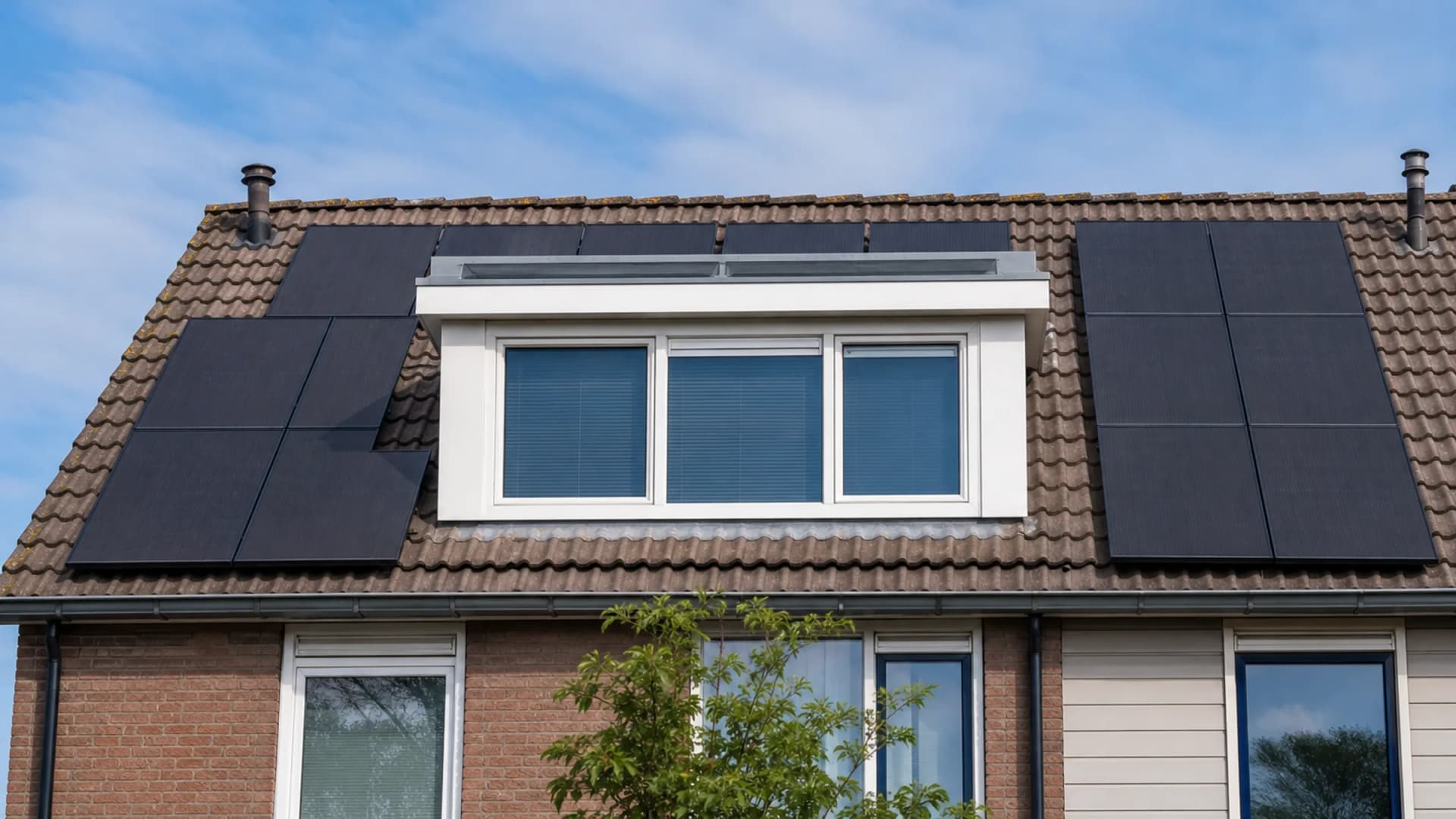
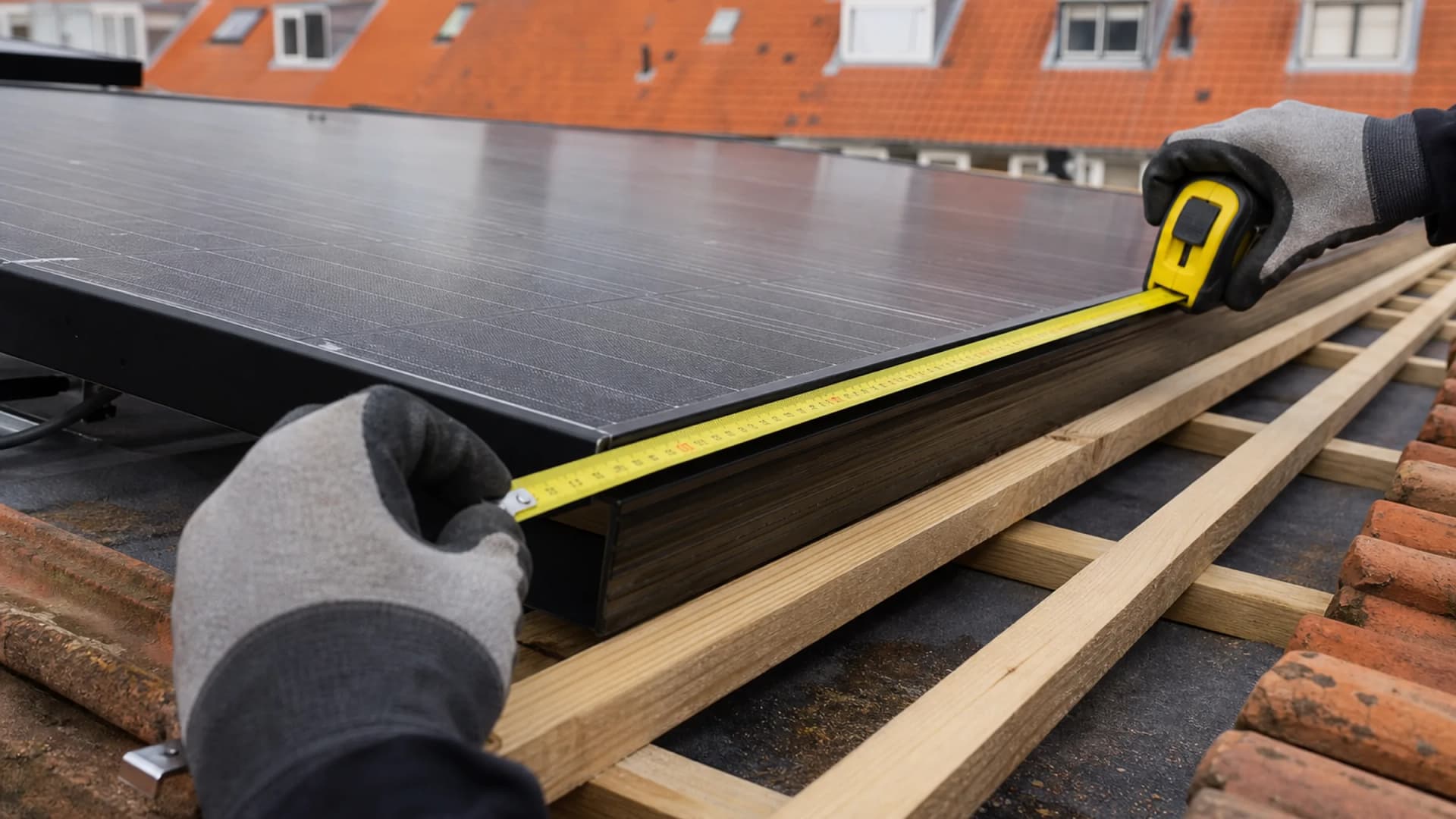
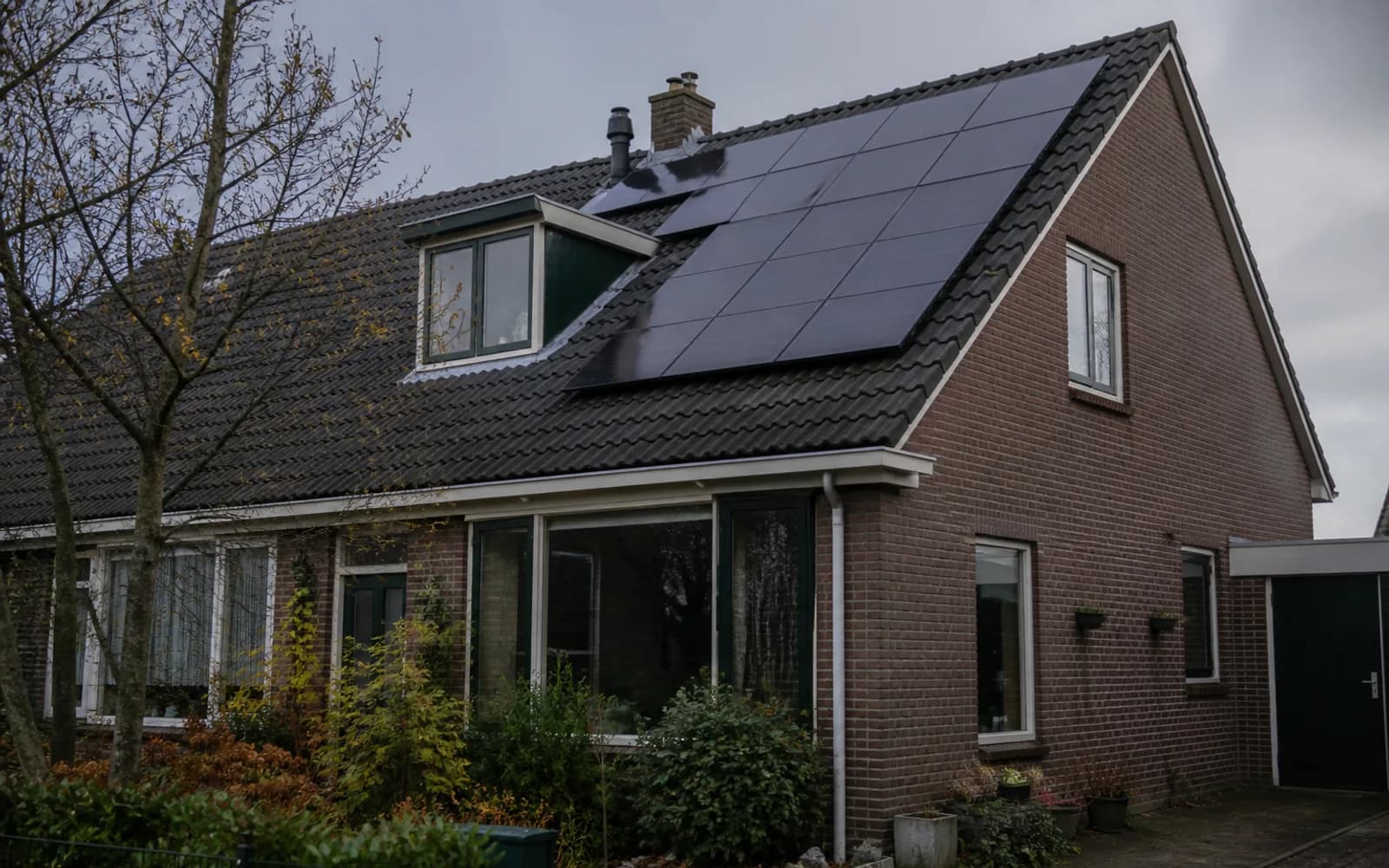
A dormer does not have to stand in the way of solar panels. Panels often fit on the dormer's flat roof. Above the dormer, on the main roof toward the ridge, and beside or below it on the same slope, we draw the layout around the dormer. The dormer's structure and the shade it casts determine what is sensible; we assess that during the site survey, when we measure the roof.
Two situations, two questions
 Solar panels
Anyone who wants panels above a dormer usually means the main slope: the stretch toward the ridge, above the dormer. That is different from panels on the dormer's own flat top. Both can work, but they are different places with different answers, so we treat them separately.
What both share: it comes down to a tailored layout. A dormer does not make a roof unsuitable, it makes it a puzzle.
Panels on the dormer's top
The flat top of a dormer is often usable, with two caveats from our installation practice. The first is the structure: a dormer is usually built light, with a wooden frame not designed for much extra weight. Ballasted frames, as on a normal flat roof, are therefore often unwise there; sometimes we choose an anchored mounting or conclude the small top cannot take it. We judge that during the survey, not from a photo.
The second is size. A dormer top usually fits two to four panels, and the placement rules take a bite out of that: on a flat roof a panel must stay at least as far from the edge as the panel is high. On that small surface that margin weighs heavily. Smaller panel formats or a landscape layout often work better here; the available sizes are covered in solar panel dimensions.
Panels above, below and beside the dormer
Above the dormer is the stretch of main slope between the dormer and the ridge. Panels there sit at the same pitch as the rest of the tiles, not on the dormer top. Below the dormer, toward the gutter, and beside it, shade from the dormer itself is more common. We draw the rows first where that shade matters least, sometimes landscape instead of portrait, so a full row still fits around the dormer.
| Place | What it is | What we check |
|---|---|---|
| On the dormer | The dormer's own flat top | Structure, distance to the edge, usually 2 to 4 panels |
| Above the dormer | Main slope toward the ridge | Layout and row direction; less shade from the dormer |
| Below or beside | Slope around the dormer, toward gutter or side | Shade; optimizers or micro-inverters if needed |
Which mix fits depends on the size of your dormer, the pitch of the main slope and what the structure can bear. We draw that out during the survey.
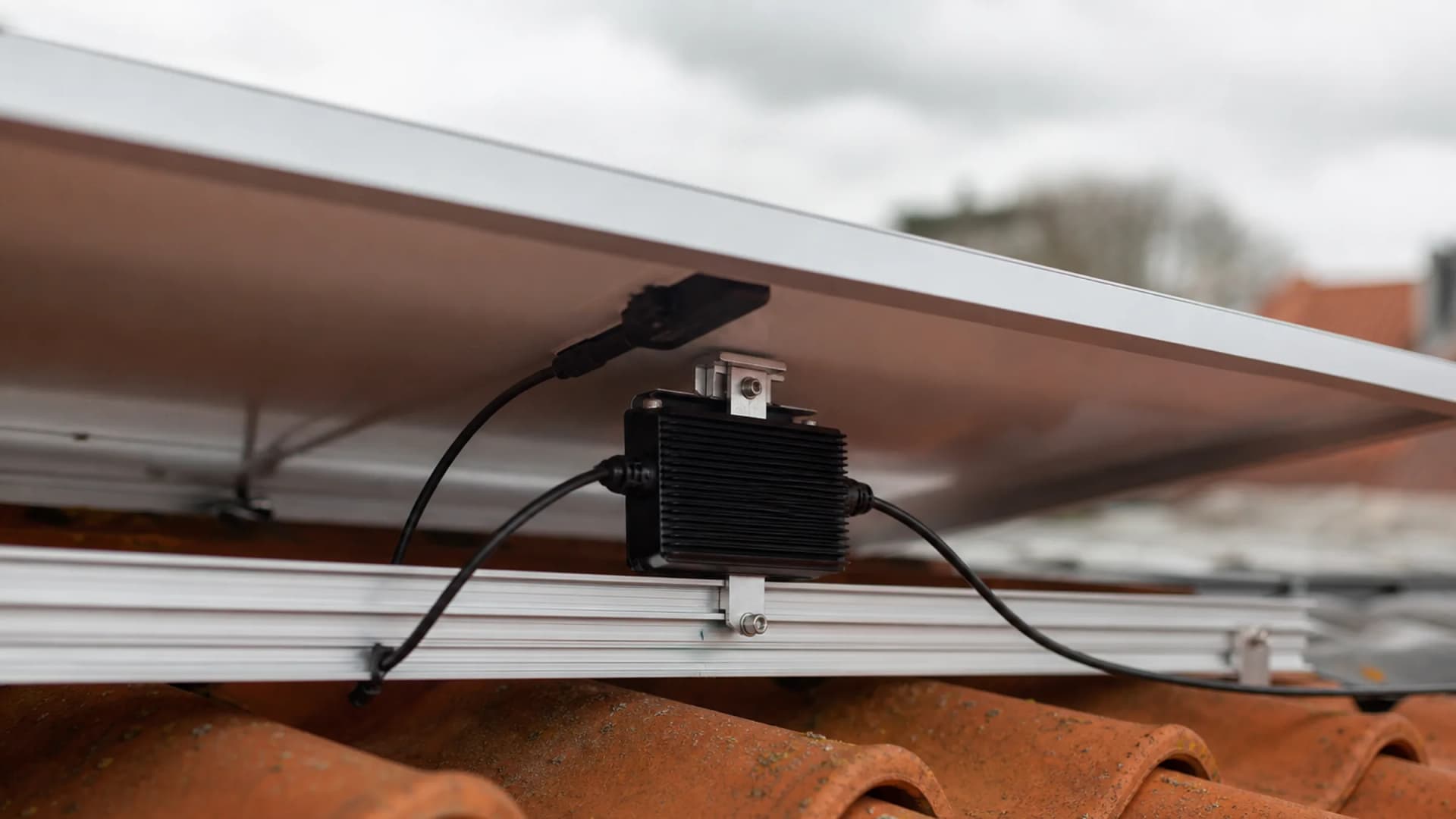
Where structural shade is unavoidable, we work with per-panel electronics: optimizers or micro-inverters make sure a shaded panel does not drag the rest down. That way the dormer only costs the output of the panels it actually hits.
Permits and rules
Solar panels on a roof are permit-free in principle in the Netherlands, including on, above and around a dormer, as long as you meet the conditions. On a pitched roof: within the roof surface, directly on it and at the same pitch. On a flat roof, which includes the dormer top: the distance to the roof edge must be at least equal to the panel's height.
Exceptions exist for listed buildings and protected town- or villagescapes; a permit may still be required there. If in doubt, run the permit check at the Omgevingsloket or ask your municipality. We flag it in the quote if your situation calls for it.
What does it mean for your yield?
Be honest with the numbers: a dormer usually costs a few panels of layout space compared with a bare roof surface, and the panels on the dormer top lie flat, which yields slightly less per panel than the ideal pitch. In return, every panel that does fit simply contributes. Whether the total covers your consumption is checked via how many solar panels do I need.
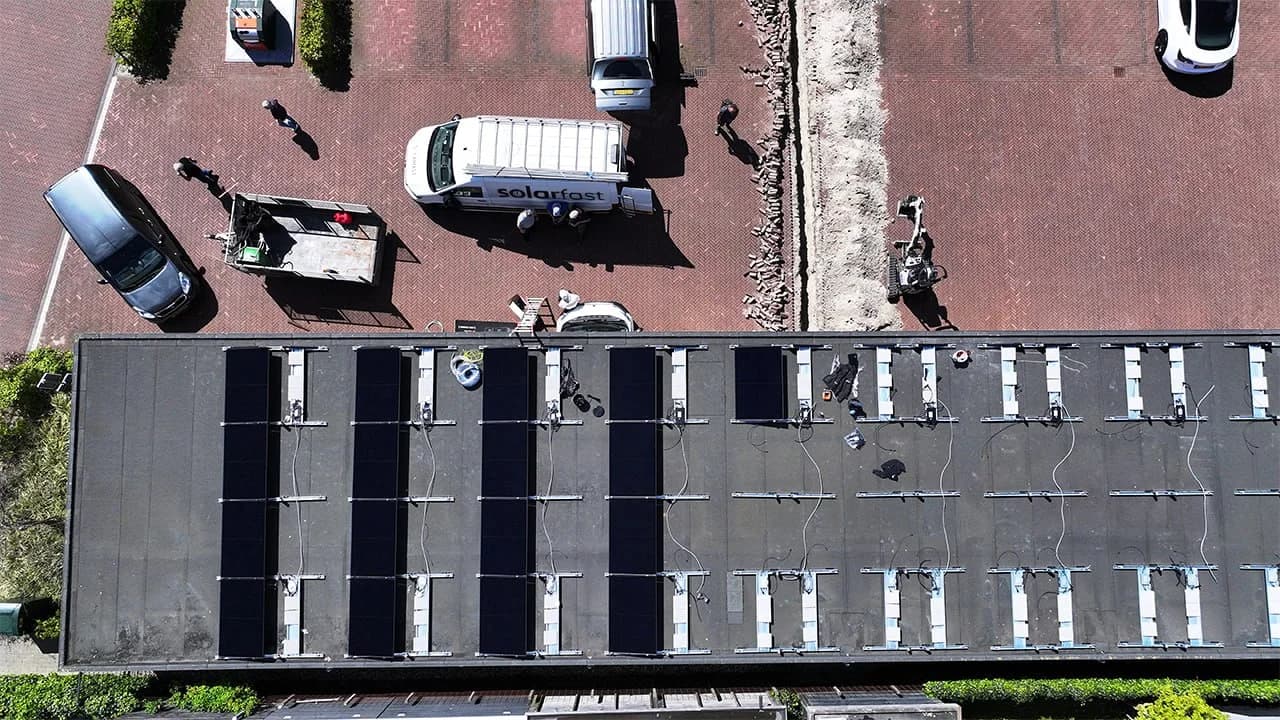
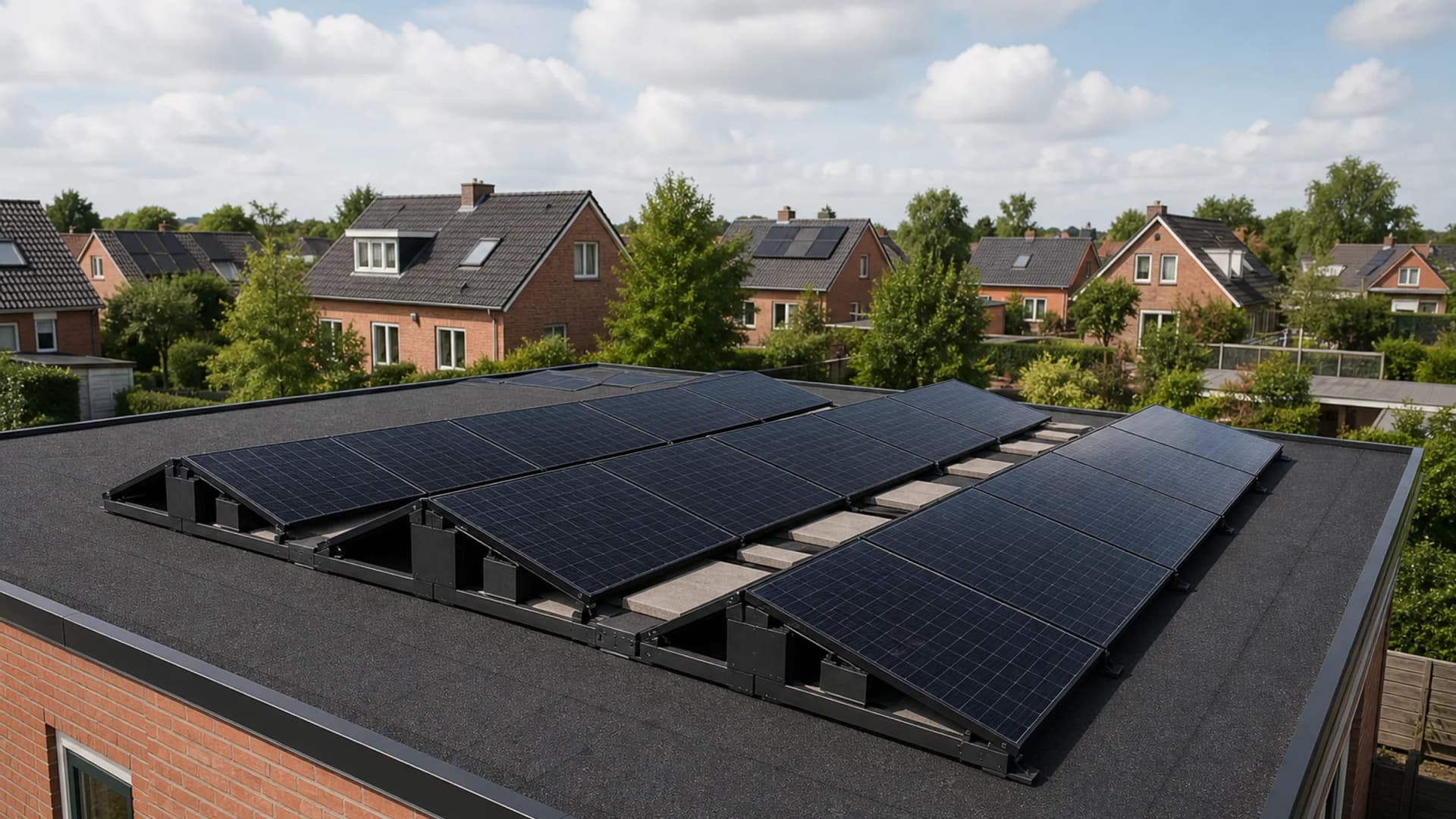
If you also have an extension or garage with a flat roof next to the pitched roof, we include it in the same layout; how that works is covered in solar panels on a flat roof.
How SolarFast handles this
During the survey we assess the dormer's structure, measure the surface and draw the layout with and without panels on the dormer. That way you see up front what each variant looks like and costs, instead of a standard row of panels that fits on paper but disappoints once installed.
Put your dormer situation to us or start on the solar panels page.
Get more out of your own power. Four things to watch for, even as net metering ends
Your energy use
Planning to drive, cook or heat electrically? Factor that into how many panels you install now.
Spread the yield
Spread panels across roof faces so you generate through the day and use more of your own energy.
Your data
Ask your installer where your system's data is stored and which parties have remote access.
Boost your energy
A smart home battery stores today's power for later, so you use more of your own electricity after sunset.

We install your solar panels in a day
We can often start within three weeks. A day later your panels are on the roof and everything is connected. We leave your home clean and make sure you know exactly how it all works.
- Use more of your own power during the day
- 0% VAT on solar panels on or at your home
The zero rate applies to the supply and installation of solar panels on or at a home. Exception: solar panels integrated into the roof of a new-build home and supplied together with the home.
Book an appointmentFrequently asked questions
Often yes: the flat top usually fits two to four panels, provided the structure can bear the weight. We assess that during the survey; sometimes an anchored mounting is needed instead of ballast.
Yes. Above the dormer is the main slope toward the ridge, not the dormer's own flat top. We often draw that row first, because the dormer casts less shade there than on the strip beside it or toward the gutter.
Usually not: solar panels on a roof are permit-free in the Netherlands as long as you stay within the conditions, such as enough distance to the edge on a flat roof. Listed buildings and protected townscapes may still require a permit; check via the Omgevingsloket.
Usually two to four, depending on the size of the dormer top and the required distance to the edge. Smaller panel formats or a landscape layout often use the space better than the standard size.
Yes, during parts of the day shade falls on panels beside the dormer and toward the gutter. The stretch above the dormer, toward the ridge, usually has less of that. In the layout we place panels where that matters least; with structural shade, optimizers or micro-inverters prevent one shaded panel from dragging the rest down.
Slightly, per panel, because lying flat is not the ideal angle. In practice every extra panel still adds to the yearly yield.
Not always: dormers are built light and ballasted frames are often unwise there. During the survey we assess the structure and choose a suitable mounting, or advise skipping the dormer top.

Discover what smart energy can do for you
In about an hour you get insight into your savings, the options for your home and when the investment pays back. Straightforward, honest advice so you know exactly where you stand.
Smart energy at home
- Upgrade your home with our smart battery
- Solar panels matched to your roof and usage
- A heat pump to minimise your energy use
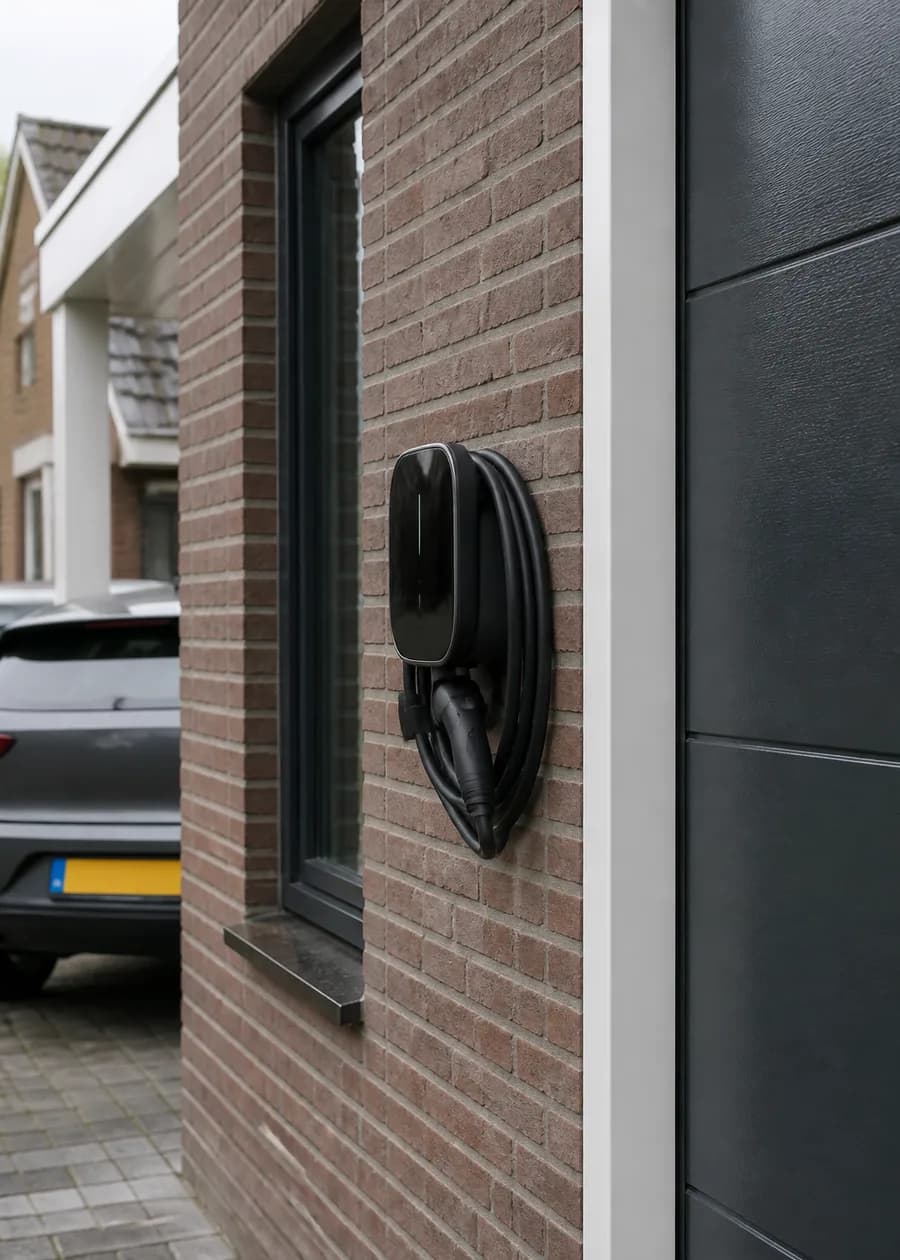
- Charge your electric car easily at home with an EV charger
Booking an advice call is easy
Fill in your details below. Within a day we will contact you to schedule a no-obligation advice call together.
Related articles