
Electricity imbalance market: what it is
Updated on 7 min read
The electricity imbalance market is where TenneT settles deviations per quarter-hour. A home battery can follow those prices via your supplier.
All articles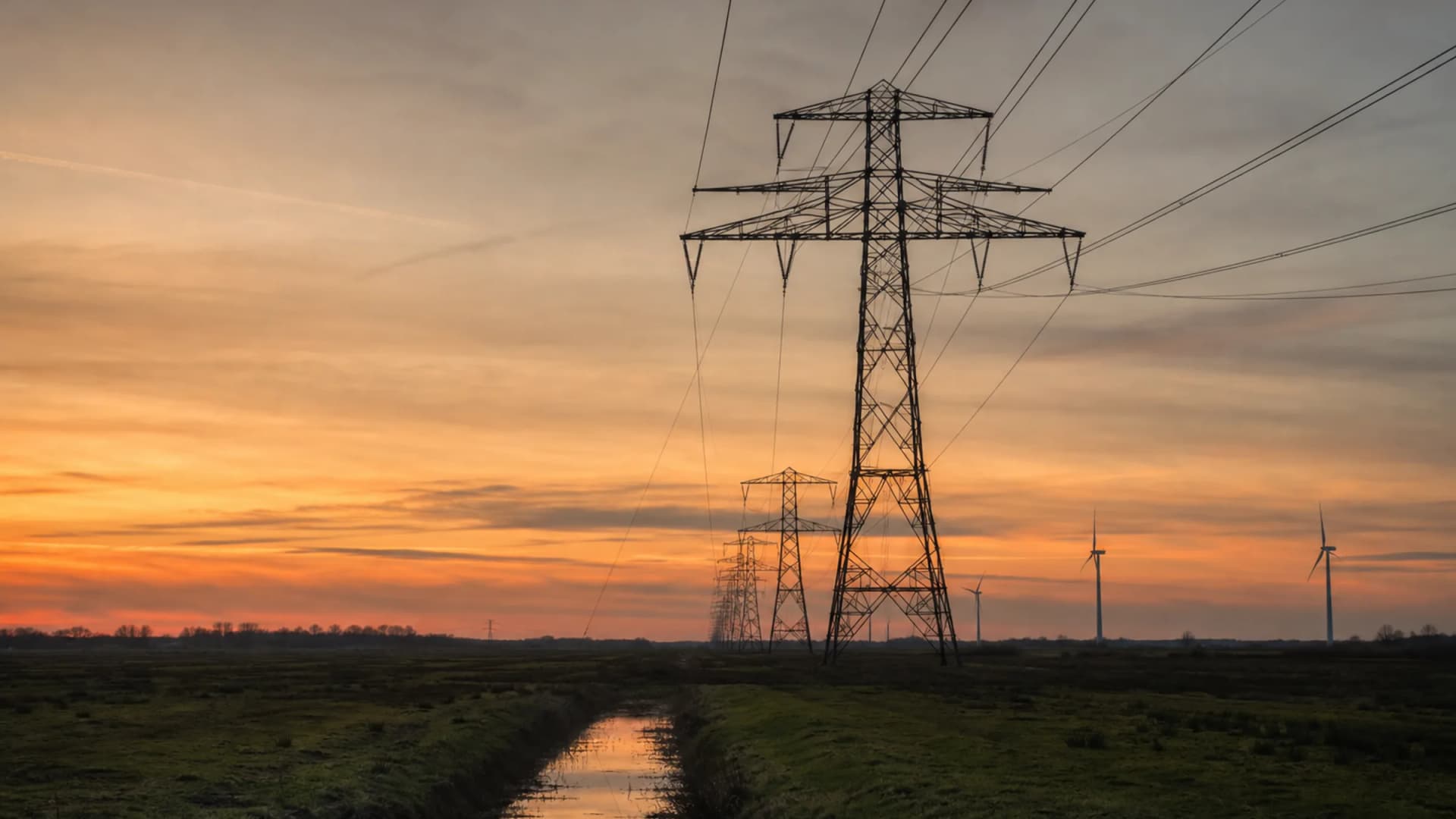
The electricity imbalance market is where TenneT settles deviations between planned and actual power, per quarter-hour and at prices that swing much harder than the hourly prices of a dynamic contract. A home battery can ride those swings, but only automatically through your energy supplier or an aggregator, and the returns vary strongly.
What is the electricity imbalance market?
 Home battery
The electricity imbalance market is where TenneT settles gaps between planned and actual power. The power grid has one hard law: at every moment, exactly as much power must go in as comes out. National grid operator TenneT guards that balance. All suppliers and large consumers report in advance, per quarter-hour, how much power they expect to deliver or draw; whoever deviates causes imbalance.
Those deviations are settled financially on the imbalance market. TenneT sets an imbalance price per quarter-hour and settles it with the responsible market parties, the so-called balance responsible parties. Whoever makes the system imbalance worse pays; whoever helps the system gets paid. TenneT publishes the imbalance prices almost in real time.
Important to know: as a household you never trade on this market yourself. Energy suppliers and specialised parties do that on behalf of their customers. Your role is at most making equipment available to respond, such as a home battery.
Why is there imbalance at all?
Forecasts are never perfect. A cloud deck arriving earlier than predicted removes solar power from the grid in one go; a cold evening pushes consumption up; a power plant or wind farm fails unexpectedly. Every gap between plan and reality must be absorbed within that same quarter-hour.
The more sun and wind in the mix, the more erratic the supply and the more often and harder the imbalance prices swing. The same development that fills up the grid shows up on the imbalance market: scarce flexibility is priced there per quarter-hour. Why the grid is filling up is covered in our article on grid congestion.
Day-ahead and imbalance: two different markets
The hourly prices of your dynamic energy contract come from the day-ahead market: set one day in advance, per hour, and then fixed. The imbalance market is the correction layer on top: per quarter-hour, only final afterwards, and far more volatile. In a calm quarter-hour little happens; in a tight one the price can spike hard, both up and down.
| Day-ahead | Imbalance | |
|---|---|---|
| When known | One day in advance | Near real-time, final afterwards |
| Time block | Per hour | Per quarter-hour |
| Volatility | Predictable daily pattern | Erratic, with sharp spikes |
| What you do with it | Plan consumption with your dynamic contract | Automatic only, via supplier or aggregator |
| Suited for | Washing machine, EV charger, battery on schedule | A battery that can switch per quarter-hour |
The imbalance price is set per quarter-hour by TenneT; day-ahead prices come from the power exchange.
Reacting to the imbalance price yourself is not workable for a household: the price changes per quarter-hour and is only final afterwards. That is why imbalance trading always runs on software that steers the battery automatically.
How your home battery takes part
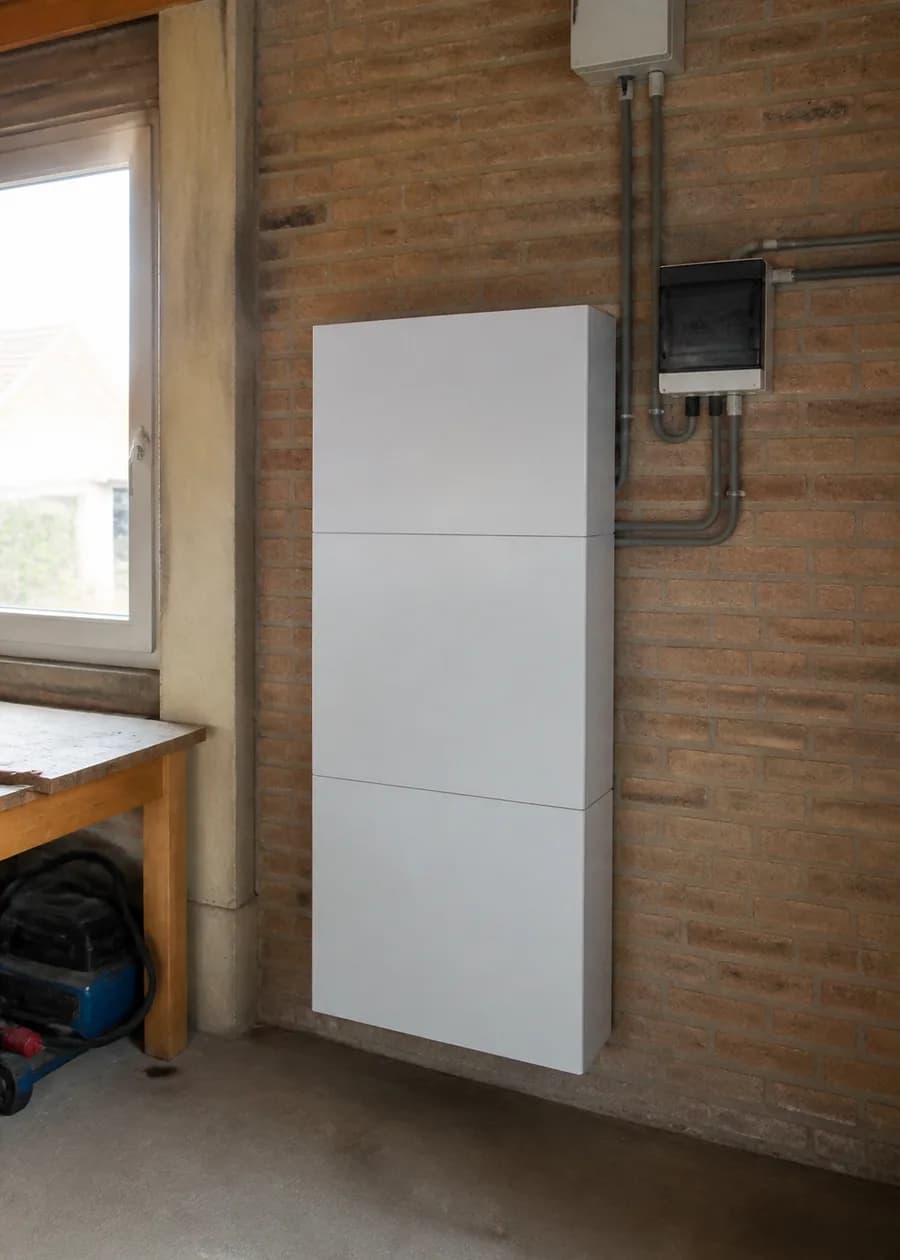
A home battery is an ideal device for this market: it can switch between charging, discharging and standing still within seconds. The steering runs through your energy supplier or an aggregator, which bundles many batteries and responds to the imbalance prices on behalf of that group. A large surplus on the grid makes the batteries charge; a shortage makes them discharge.
Practically you need three things: a battery with an inverter that can be steered remotely, a contract with a party that offers imbalance trading, and a smart meter. The HyxiPower systems we install support automatic energy trading via imbalance tariffs, among others through the link with Frank Energie, our partner for dynamic contracts.
Your battery keeps doing its main job alongside: buffering solar power for the evening. Trading happens in the room that remains, and the software makes sure the battery is not empty when you need it yourself.
What does it earn? Honest answer: it varies
This is where sobriety belongs. The returns from imbalance trading depend on how often the prices spike, how much free room your battery has and how good the steering software is. Months with lots of wind and sun, and thus forecast errors, earn more than calm months. Nobody can guarantee you a fixed amount per year, and whoever does is overselling.
So count on it like this: the base of your return is and remains using your own solar power and charging smartly at cheap hours. Imbalance trading is an extra layer on top, not a replacement. See it as a bonus that speeds up the battery's payback, not as a business model in itself.
Keeping imbalance, grid control and dynamic contracts apart
Three concepts that get mixed up. With a dynamic contract you follow the day-ahead hourly prices for your own bill. With grid control your supplier steers your device to lower local grid peaks, with a payment from the grid operator. Imbalance trading is the third: your battery responds to TenneT's quarter-hourly prices, purely financially driven.
They do not exclude each other. A steerable battery can buffer solar power during the day, top up at cheap hours, join grid control if your supplier offers it and trade on imbalance in between. The software decides per moment what pays best.
How SolarFast handles this
We install home batteries with inverters that can be steered remotely, so imbalance trading and grid control are possible without replacing anything later. During the site survey we size the capacity to your own consumption, because that remains the base of the return, and discuss whether a link for automatic trading fits you.
Want to know what that means for your situation? Ask us about imbalance trading or start on our home battery page.
Solar panels are still a smart investment in 2026. A few things matter if you want the most from your own power.
Your energy use
Planning to drive, cook or heat electrically? Factor that into how many panels you install now.
Spread the yield
Spread panels across roof faces so you generate through the day and use more of your own energy.
Your data
Choose a system with its own 4G connection and data storage in Europe so your information stays secure.
Boost your energy
A smart home battery stores today's power for later, so you use more of your own electricity after sunset.

We install your home battery
Usually within three weeks. Our installers fit the battery neatly and safely by your fuse box. We leave your home clean and make sure you know exactly how it all works.
- Charge smart when power is cheap
- Keep power until you need it
Frequently asked questions
It is the market where TenneT settles deviations between planned and actual power per quarter-hour. As a household you do not trade there yourself; your energy supplier or an aggregator does that for you.
No, not as a household. Imbalance is settled between TenneT and balance responsible market parties. You take part through your energy supplier or an aggregator, which steers your battery automatically.
The dynamic hourly price comes from the day-ahead market and is fixed one day in advance, per hour. The imbalance price is set per quarter-hour and is only final afterwards. Imbalance prices swing much harder, in both directions.
You need a contract with a party that offers imbalance trading; in practice that is often tied to a dynamic contract. The provider sets the exact conditions.
It varies strongly per month and per situation: it depends on the price spikes, the free room in your battery and the steering software. Nobody can guarantee a fixed amount per year. See it as extra return on top of self-consumption, not as a business model in itself.
The battery makes extra charge cycles, so it is used more intensively. Good steering software weighs the earnings against that extra use and keeps margins. Ask the provider how the software handles this.
No. Grid control lowers local grid peaks at the grid operator's request, through your supplier and with a payment. Imbalance trading responds to TenneT's national quarter-hourly prices and is purely financially driven. A steerable battery can do both.
Technically yes: the battery trades on price differences, not on solar power. Whether a battery without panels is sensible depends on more; we calculate that honestly for you during the survey.

Discover what smart energy can do for you
In about an hour you get insight into your savings, the options for your home and when the investment pays back. Straightforward, honest advice so you know exactly where you stand.
Smart energy at home
- Upgrade your home with our smart battery
- Our solar panels deliver up to 25% more energy
- A heat pump to minimise your energy use
- Charge your electric car easily at home with an EV charger
Booking an advice call is easy
Fill in your details below. Within a day we will contact you to schedule a no-obligation advice call together.
Related articles