Fixed vs dynamic energy contract: which fits you?
6 min read
Fixed or dynamic energy contract: the differences in price and risk, what it means with solar panels or a home battery, and who benefits from dynamic.
All comparisons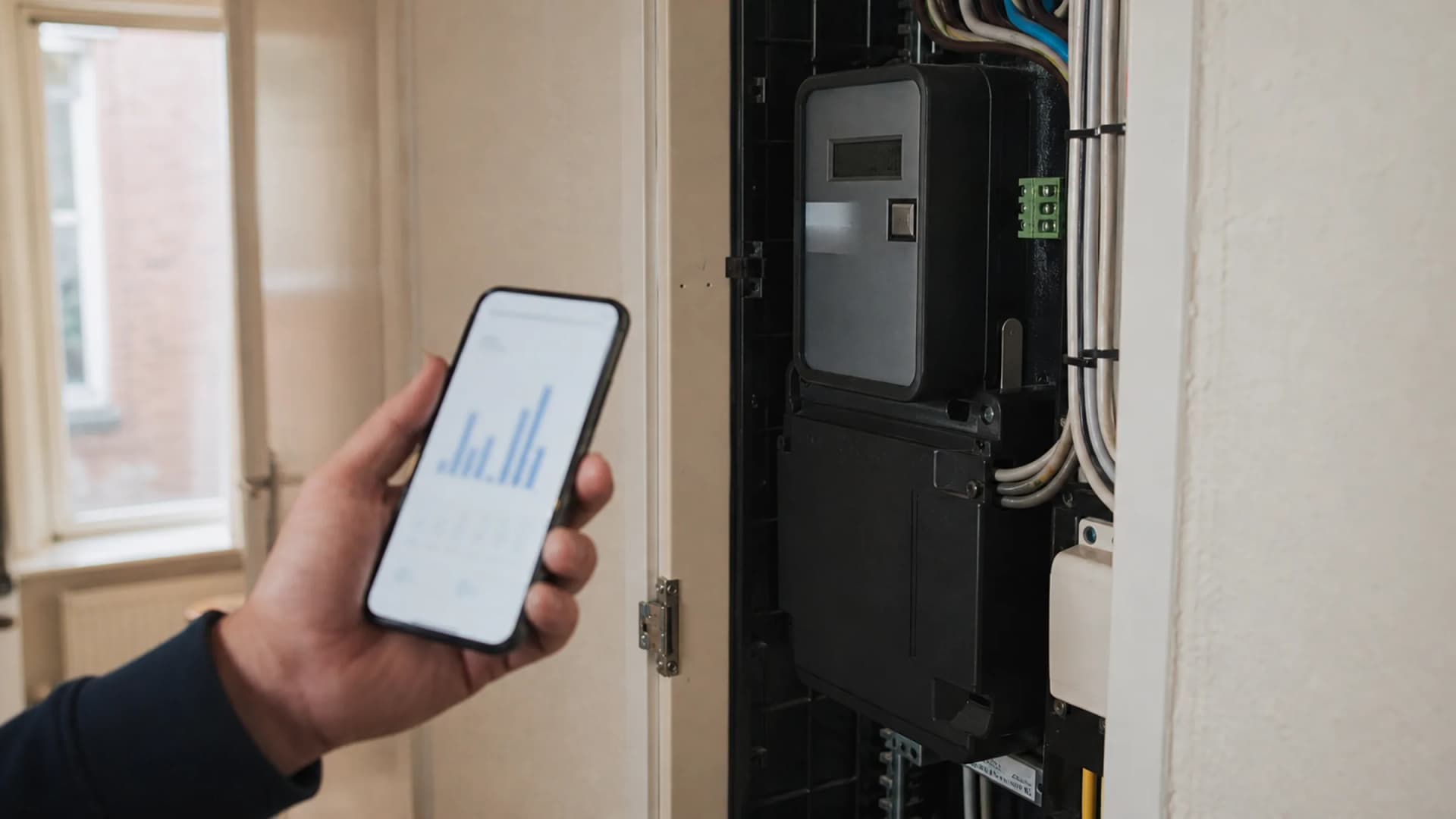
With a fixed contract your rate is locked for the full term: maximum certainty. With a dynamic contract your price follows the market per hour and you can save by shifting usage. With solar panels, a home battery or an EV charger, dynamic becomes attractive sooner.
Introduction
 Home battery
Do you choose certainty or the market price? That is, at its core, the choice between a fixed and a dynamic energy contract. Below we put both side by side: how the rates work, what it means when you generate your own power, and who dynamic makes sense for. What a dynamic contract is exactly is covered in our dynamic energy contract explainer.
The options side by side
Fixed contract
Pros
- Rate locked for the full term
- Predictable monthly costs
- No need to watch price peaks
Cons
- You do not benefit from cheap hours
- Often a cancellation fee when switching early
- Certainty is priced in: you pay a risk premium
Dynamic contract
Pros
- Benefit from cheap hours, at night and on sunny afternoons
- Usually no cancellation fee
- Strong combination with a battery, charger or heat pump
Cons
- Price is not certain upfront; peaks can hurt
- Smart meter required
- Needs attention or automation to really save
How do the rates differ?
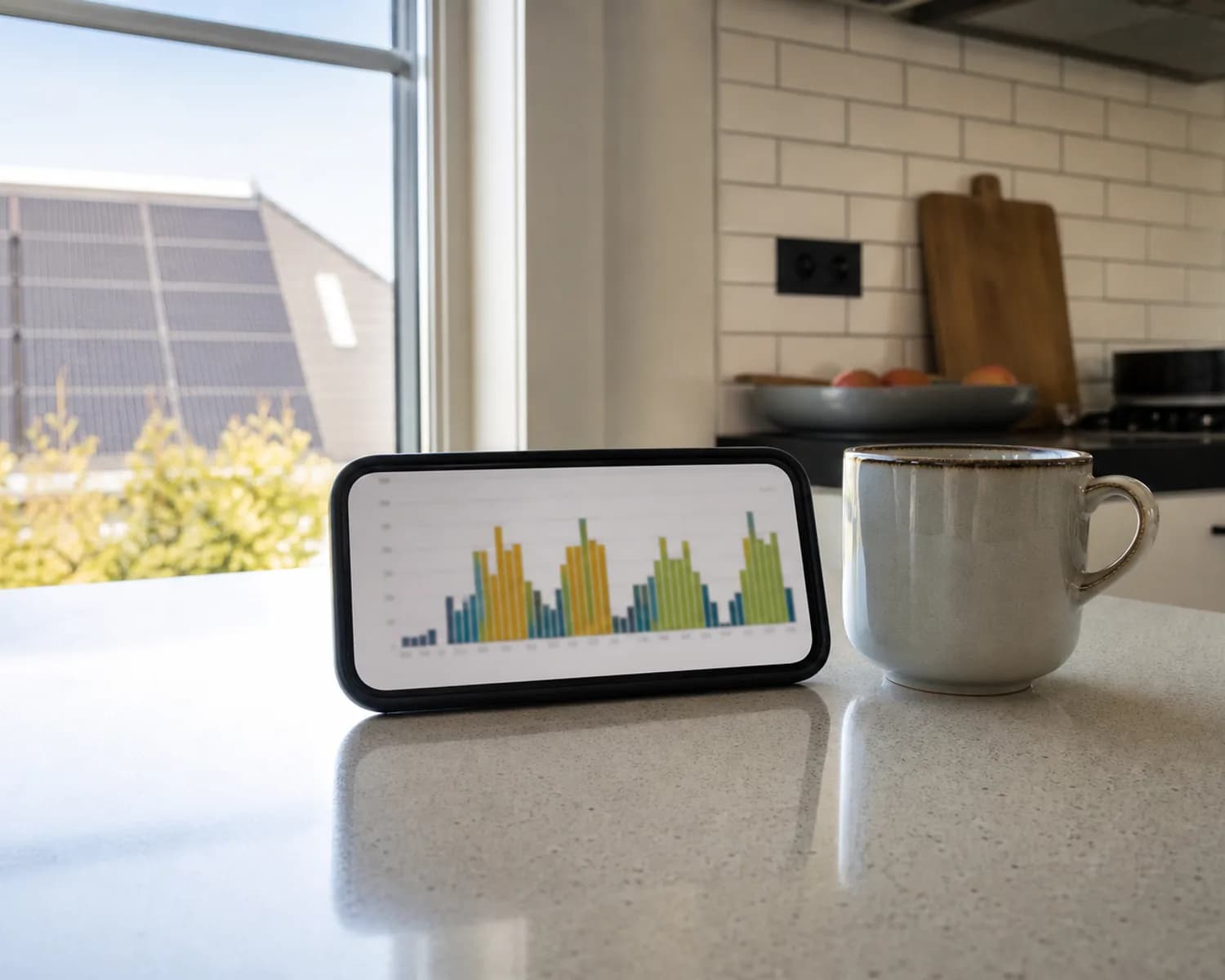
With a fixed contract you agree a supply rate for a period of, say, one or three years. Whatever the market does, your price per kilowatt-hour stays the same. With a dynamic contract you pay the market price at the moment of use: for power it changes per hour or quarter-hour, for gas per day. In between sits the variable contract, where your supplier adjusts rates periodically. The ACM explains how fixed, variable and dynamic supply costs work (Dutch).
| Fixed | Dynamic | |
|---|---|---|
| Supply rate | Locked for the term | Follows the market per hour/quarter |
| Predictability | High | Low |
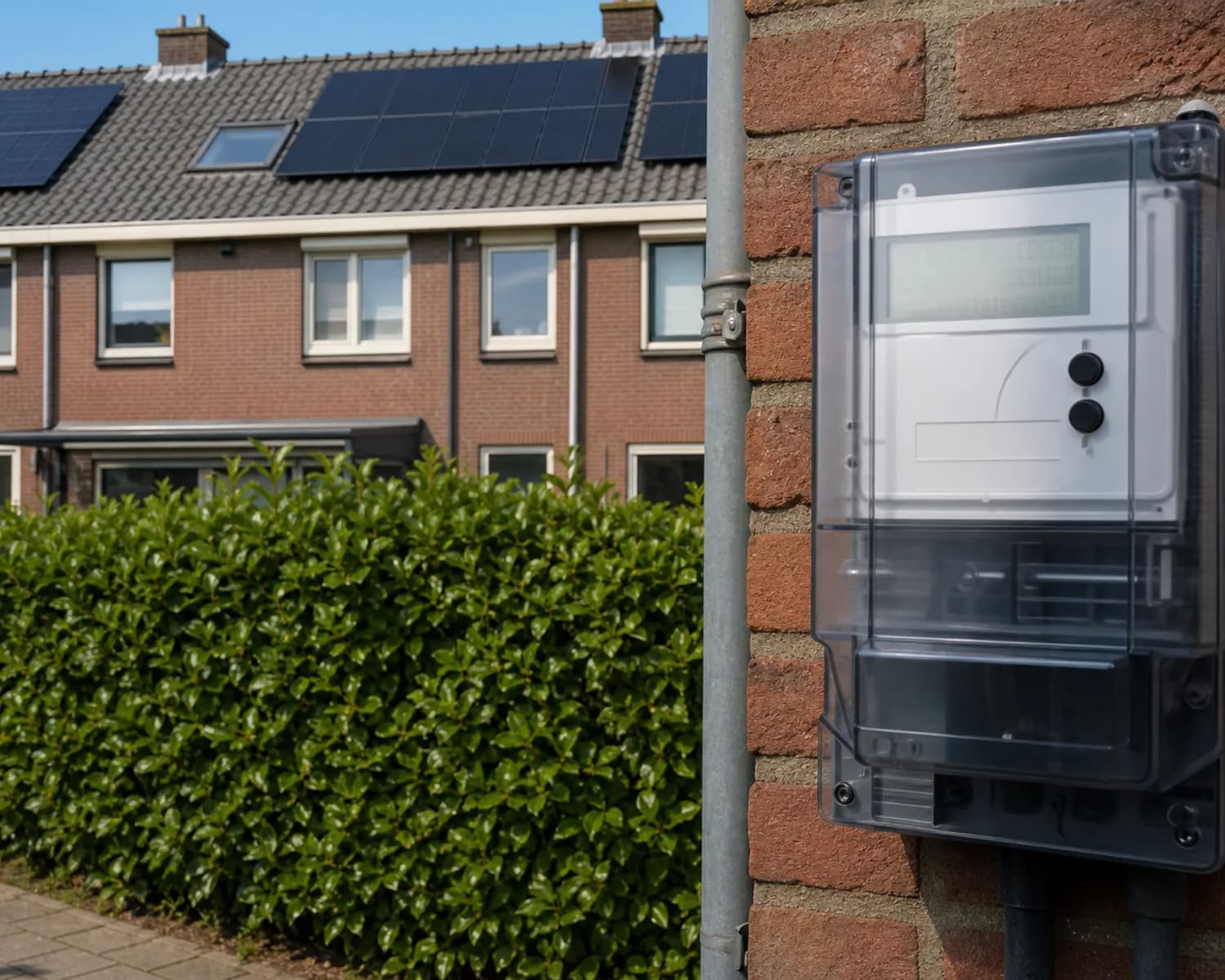
| Smart meter | Not required | Required |
| Cancellation fee | Often yes, when leaving early | Usually not |
| Feed-in payment | Fixed amount per kWh per contract | Market price of the moment |
Suppliers must explain the risks of a dynamic contract upfront in a tailored offer; see the ACM on tailored offers (Dutch).
What does it mean with solar panels?
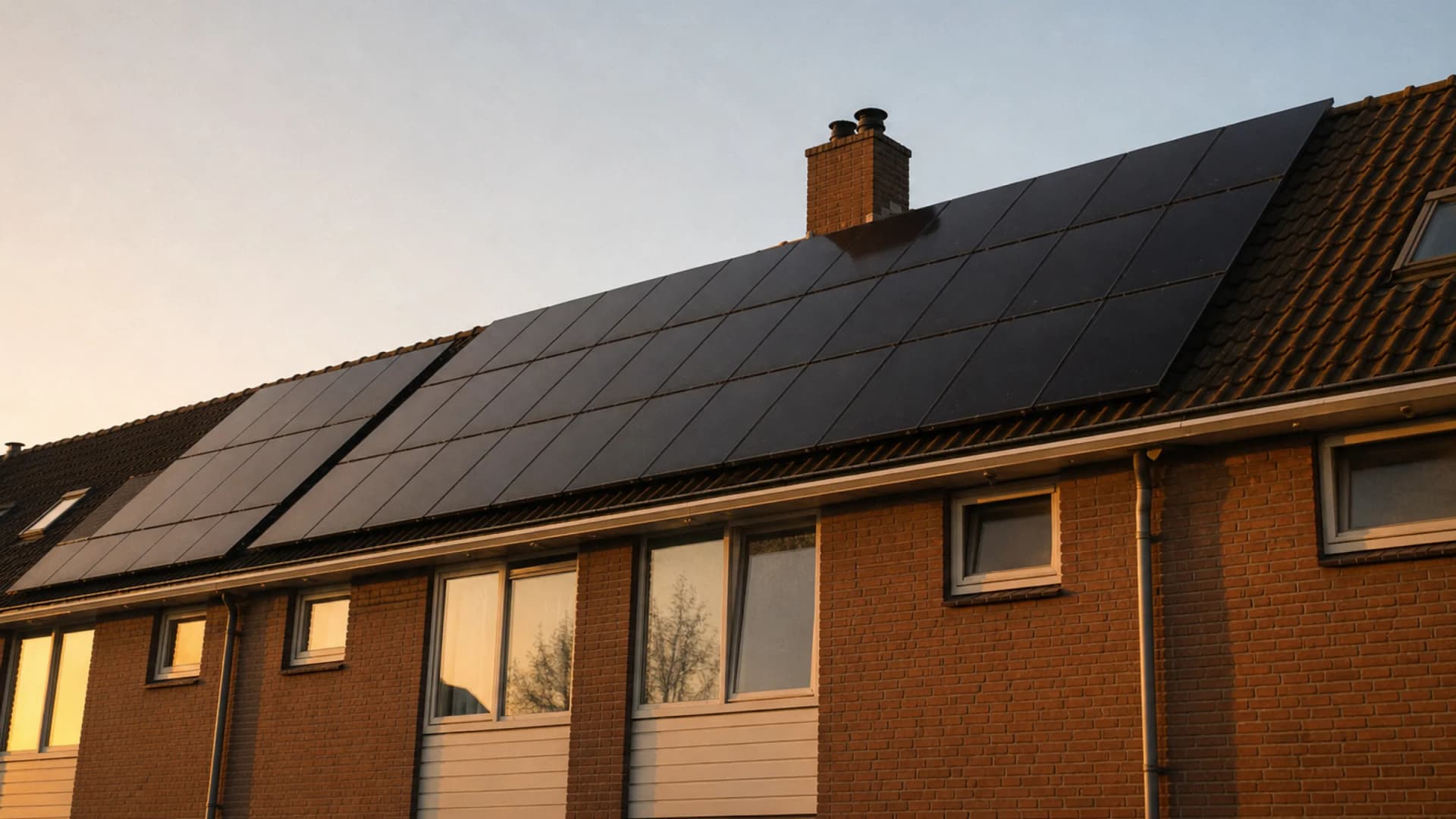
While the net metering scheme runs, until the end of 2026, exported kilowatt-hours are offset against your draw. The moment you export then matters little financially. From 1 January 2027 that changes: net metering ends and you receive a payment per exported kilowatt-hour.
And that is where the contracts differ. With a fixed contract, your feed-in payment per kilowatt-hour is set in the terms. With a dynamic contract you get the market price of the moment, and precisely on sunny afternoons, when every panel in the Netherlands exports at once, power is worth little on the market. Using or storing your own power then beats exporting it. Also account for feed-in charges, which sit apart from the payment under both contract types.
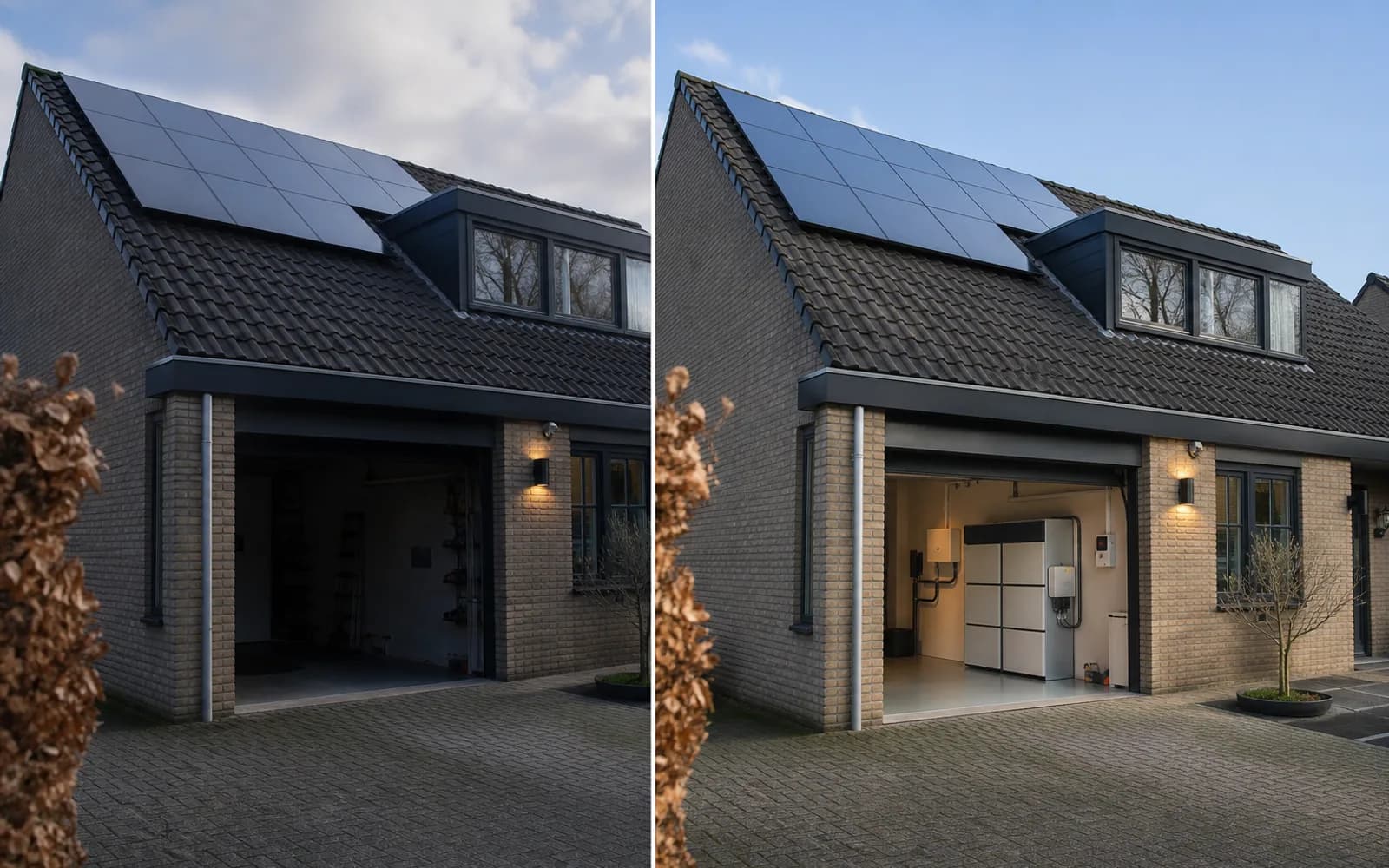
A home battery turns that weakness around: you store your midday surplus and use it in the expensive evening hours, or charge up when power is cheap. How that trade-off works out is covered in the comparison with or without a home battery.
Who does dynamic fit, and who not?
Dynamic pays off when you can shift usage to cheap hours. With a home battery, EV charger or (hybrid) heat pump, that runs largely automatically: the battery charges at cheap moments, the car charges at night, the heat pump heats slightly earlier. How to set that up is covered in smart home energy management.
Choose fixed if you mainly want predictable monthly costs, can shift little usage, or simply do not want to deal with tariffs. That is not laziness but a real trade-off: with a dynamic contract, winter price peaks can bite hard if that is when you need to draw the most. Your supplier must explain those risks upfront; a dynamic contract can usually be cancelled monthly, so you are not tied in for years.
Frank Energie: our partner for dynamic contracts
For dynamic contracts SolarFast works with one partner: Frank Energie. The app shows hourly rates, often a day ahead, and links to your home battery, so it charges automatically at cheap hours and discharges when the price peaks.
If we install your solar panels or Dyness battery, we include that combination in the quote. Not sure whether your system is ready for a dynamic contract, or whether a battery makes the difference? Put your situation to us and we will run the numbers.
Verdict
If you want certainty and no fuss, a fixed contract is a fine choice; you just pay a premium for that certainty. If you can shift usage, with a home battery, EV charger or heat pump, a dynamic contract structurally delivers more. With solar panels that combination only becomes more logical after net metering ends in 2027: self-consumption beats exporting.
Solar panels are still a smart investment in 2026. A few things matter if you want the most from your own power.
Your energy use
Planning to drive, cook or heat electrically? Factor that into how many panels you install now.
Spread the yield
Spread panels across roof faces so you generate through the day and use more of your own energy.
Your data
Choose a system with its own 4G connection and data storage in Europe so your information stays secure.
Boost your energy
A smart home battery stores today's power for later, so you use more of your own electricity after sunset.

We install your home battery
Usually within three weeks. Our installers fit the battery neatly and safely by your fuse box. We leave your home clean and make sure you know exactly how it all works.
- Charge smart when power is cheap
- Keep power until you need it
Frequently asked questions
With fixed, your supply rate is locked for the full term. With dynamic, your price follows the wholesale market, per hour or quarter-hour for power and per day for gas. Fixed gives certainty, dynamic offers savings potential with more price risk.
Not automatically. You mainly save when you can shift usage to cheap hours, for example with a home battery or EV charger. If you must draw power at peak moments, dynamic can also work out more expensive.
You receive the market price at the moment you export. On sunny afternoons that price is often low. Using your own power or storing it in a battery then earns more than exporting.
Yes. Without a smart meter your supplier cannot bill per hour or quarter-hour, and a dynamic contract is not possible.
Usually yes: dynamic contracts can typically be cancelled monthly without a fee. With a fixed contract, switching early often carries a cancellation fee; check your terms.
Often well. A smartly steered battery charges at cheap hours and discharges at expensive moments, so you capture more of the price spread. We check in the quote whether your system is suitable.

Discover what smart energy can do for you
In about an hour you get insight into your savings, the options for your home and when the investment pays back. Straightforward, honest advice so you know exactly where you stand.
Smart energy at home
- Upgrade your home with our smart battery
- Our solar panels deliver up to 25% more energy
- A heat pump to minimise your energy use
- Charge your electric car easily at home with an EV charger
Booking an advice call is easy
Fill in your details below. Within a day we will contact you to schedule a no-obligation advice call together.
Related articles